
The Selfish Gene
Richard Dawkins
Like The Blank Slate, it uses evolutionary logic to explain behaviour that seems to have no obvious cause. Dawkins writes with the same clarity and boldness about why organisms act as they do.
Reader-supported: when you buy through links on our site, we may earn an affiliate commission. Learn more
12 books to read next
If you loved The Blank Slate by Steven Pinker
Readers who love The Blank Slate usually want a clear, witty argument about what makes people who they are. Pinker draws on genetics, psychology, and evolution to challenge the idea that the mind starts empty and is shaped entirely by culture. The book is brisk and argumentative but careful with evidence, and it takes on politics, parenting, and violence as well as science. It suits readers who enjoy big ideas explained with confidence and a sense of humour.
Richard Dawkins
Like The Blank Slate, it uses evolutionary logic to explain behaviour that seems to have no obvious cause. Dawkins writes with the same clarity and boldness about why organisms act as they do.
Robert Wright
Wright applies evolutionary psychology to jealousy, status, and cooperation, the kind of everyday human traits Pinker says the blank slate view ignores. It is accessible and well argued.
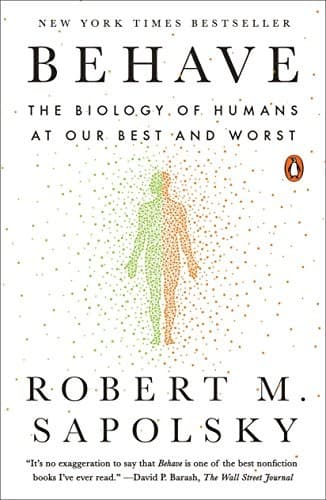
Robert M. Sapolsky
Sapolsky traces human behaviour through genes, hormones, and environment, showing that biology and experience interact. Readers who liked Pinker's refusal to pick one cause will find that balance here.

Judith Rich Harris
Harris argues that parents matter less to how children turn out than we assume, a claim Pinker discusses in his chapter on parenting. It is a provocative, direct challenge to conventional wisdom.
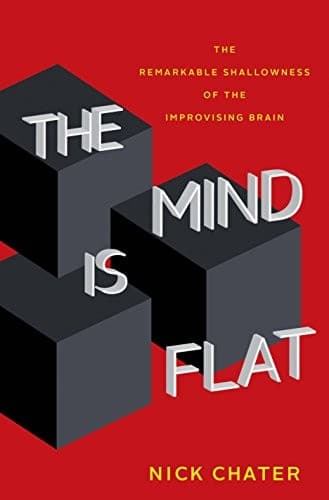
Nick Chater
Chater argues that much of the mind's depth is an illusion, which extends the debate about what is built in and what is constructed. Readers of The Blank Slate will enjoy the sharp, counterintuitive reasoning.
Christopher Ryan, Cacilda Jethá
This book takes an evolutionary look at human sexuality and challenges common cultural assumptions, much as The Blank Slate does for the mind. It is provocative and rooted in scientific argument.
Yuval Noah Harari
Harari tells the story of Homo sapiens from its origins to the present, asking what shapes human societies. Readers who enjoyed Pinker's broad sweep will appreciate its ambition and readability.

Jared Diamond
Diamond explains why some societies advanced faster than others, using evidence across many disciplines. Like The Blank Slate, it rejects simple explanations and examines the deeper causes of human differences.
Daniel Kahneman
Kahneman explores the built-in shortcuts and biases of the human mind, the sort of universal features Pinker says we should acknowledge. It is a rigorous, engaging account of how people really think.

Ben Goldacre
Goldacre takes a witty, sceptical look at bad research and media claims about the mind and body. Readers who value Pinker's calm rationality in debates will enjoy his clear-eyed approach.
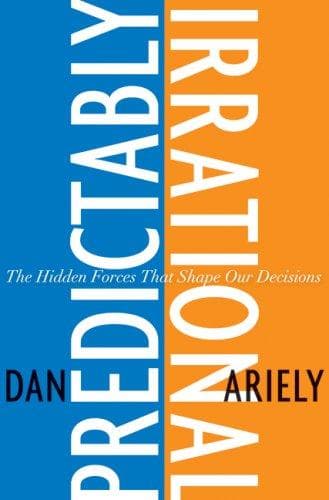
Dan Ariely
Ariely uses playful experiments to show how people behave in ways they do not expect. It shares The Blank Slate's interest in predictable patterns in human behaviour and is easy to read.
David Brooks
Brooks combines stories and research to show how unconscious processes shape success and relationships. It echoes Pinker's view that the mind has deep, built-in tendencies, told in an accessible way.
We earn a commission if you buy through these links. Learn more