
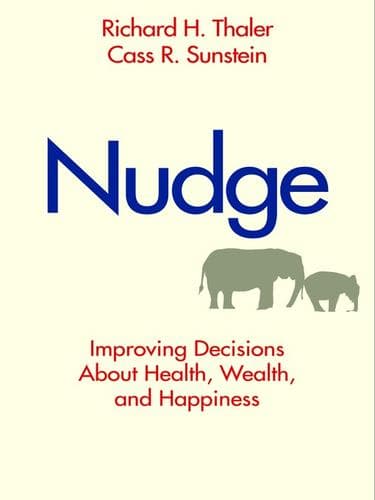
Nudge
Richard H. Thaler, Cass R. Sunstein
Takes Kahneman's insights about predictable biases and shows how choice architecture can steer people toward better decisions, from pensions to organ donation, in a more applied and policy-focused way.
Reader-supported: when you buy through links on our site, we may earn an affiliate commission. Learn more
12 books to read next
If you loved Thinking, Fast and Slow by Daniel Kahneman
Readers love Thinking, Fast and Slow for its clear framework of two thinking systems and its catalogue of the biases that quietly steer our judgments. Kahneman draws on decades of experiments, inviting you to test your own intuitions against classic puzzles, and the effect is humbling and useful at once. It is dense but rewarding, blending psychology with economics and offering practical ways to spot mental shortcuts in money, work and everyday choices.
Richard H. Thaler, Cass R. Sunstein
Takes Kahneman's insights about predictable biases and shows how choice architecture can steer people toward better decisions, from pensions to organ donation, in a more applied and policy-focused way.
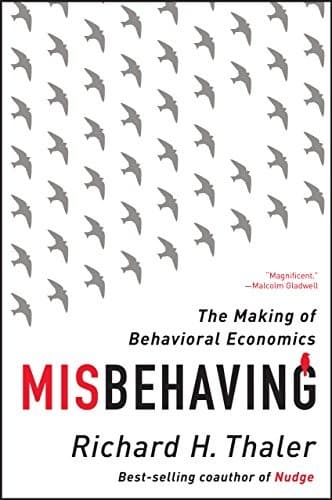
Richard H. Thaler
A lively insider history of how behavioral economics challenged the rational-agent model, featuring Kahneman and Tversky's work and told with humor that lightens the density of Thinking, Fast and Slow.
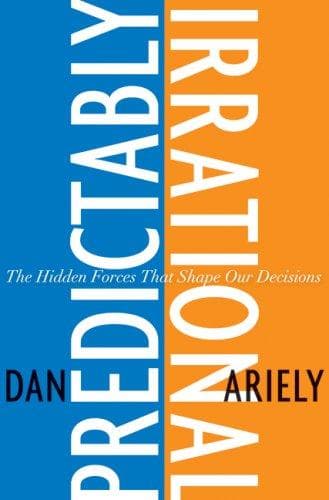
Dan Ariely
Ariely's playful experiments on pricing, free offers and social norms illustrate the same irrational patterns Kahneman describes, in shorter, more anecdotal chapters that make an easy companion read.
Michael Lewis
Tells the story of Kahneman's partnership with Amos Tversky, showing the friendship and arguments that produced the heuristics and biases research at the heart of Thinking, Fast and Slow.
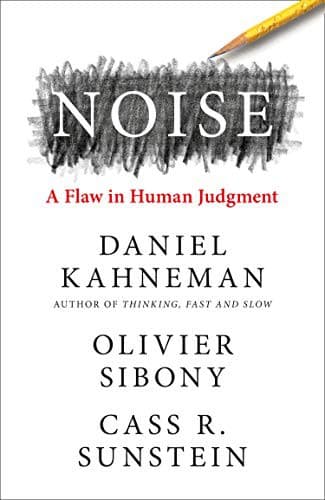
Daniel Kahneman, Olivier Sibony
Kahneman's follow-up turns from bias to random variability in judgment, examining why doctors, judges and hiring managers disagree, and offering concrete 'decision hygiene' techniques for organizations.
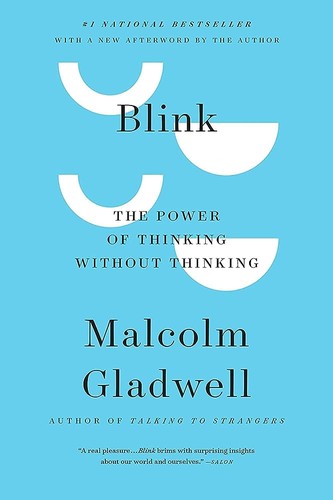
Malcolm Gladwell
Explores the power and pitfalls of snap judgments, essentially a story-driven look at System One, making it a lighter counterpoint to Kahneman's caution about trusting intuition.
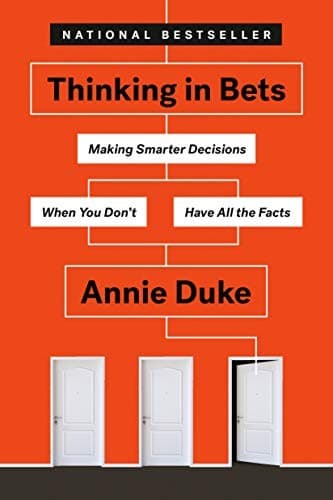
Annie Duke
A former poker champion shows how to separate decision quality from outcomes and reason probabilistically, putting Kahneman's warnings about hindsight and overconfidence into everyday practice.
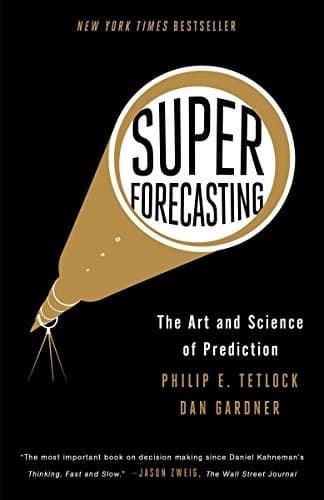
Philip E. Tetlock, Dan Gardner
Shows how some ordinary people predict events far better than experts by thinking slowly and updating beliefs, a hopeful answer to Kahneman's question about when judgment can be trusted.
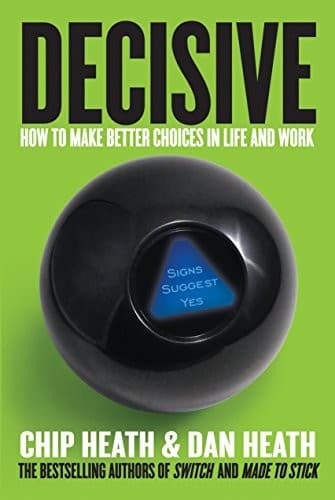
Chip Heath, Dan Heath
Offers a simple four-step process to counter confirmation bias, narrow framing and short-term emotion, translating the biases Kahneman catalogues into a practical toolkit for work and life.
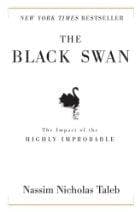
Nassim Nicholas Taleb, David Chandler
Taleb attacks our blindness to rare, high-impact events and the narratives we build after the fact, extending Kahneman's themes of overconfidence and hindsight with a provocative, combative voice.
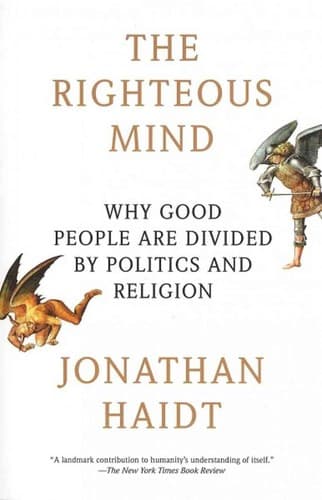
Jonathan Haidt
Applies intuition-first thinking to morality and politics, arguing that gut feelings drive our values and reasoning follows, a natural extension of the System One idea into why people disagree.
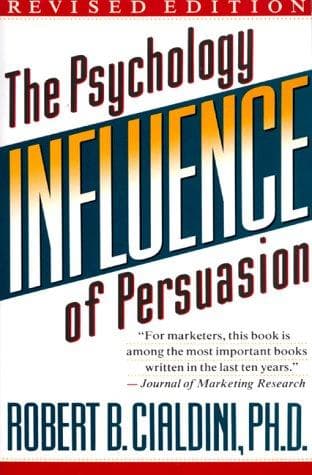
Robert B. Cialdini
A classic on the mental shortcuts persuaders exploit, such as reciprocity and social proof, showing how the automatic thinking Kahneman describes gets used against us in sales and marketing.
We earn a commission if you buy through these links. Learn more