
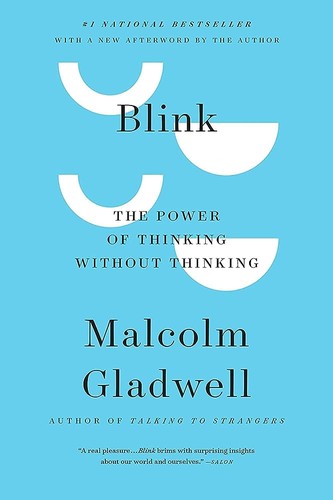
Blink
Malcolm Gladwell
Like Brooks, Gladwell argues that fast, unconscious judgments often beat deliberate reasoning. His examples of split-second decisions show the creative, pattern-spotting mind The Social Animal describes.
Reader-supported: when you buy through links on our site, we may earn an affiliate commission. Learn more
12 books to read next
If you loved The Social Animal by David Brooks
Readers who love The Social Animal usually come for its big-picture take on how a life goes well. Brooks follows one composite couple from infancy to old age, weaving research from psychology, neuroscience and sociology into a warm, narrative style. They enjoy its argument that the unconscious mind does much of the real work, that people are deeply social, and that trust and humility matter more than IQ or individual willpower. The pace is unhurried and reflective, with ideas grounded in everyday experience.
Malcolm Gladwell
Like Brooks, Gladwell argues that fast, unconscious judgments often beat deliberate reasoning. His examples of split-second decisions show the creative, pattern-spotting mind The Social Animal describes.
Daniel Kahneman
Kahneman maps the two systems of thought that Brooks also puts at the centre of human decision-making. Readers who appreciated his challenge to overrated rationalism will find the research behind it here.
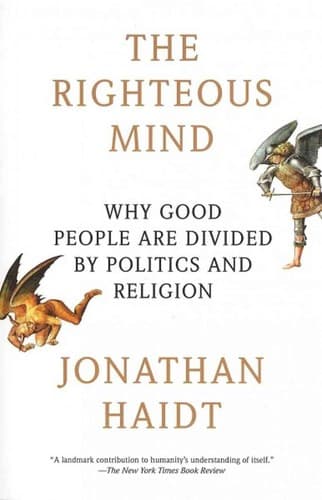
Jonathan Haidt
Haidt shows that moral judgments are driven by intuition and then justified by reason, a point Brooks makes about the social, unconscious mind. It extends his case into politics and morality.
Angela Duckworth
Duckworth examines what separates people who achieve over the long term, focusing on character rather than talent. Readers drawn to Brooks's view of success as built through character will find a complementary case.
Viktor Emil Frankl
Frankl's account of finding purpose under extreme hardship speaks to the question of what makes a life worth living that runs through The Social Animal. It is a short, deeply humane book with a similar moral seriousness.
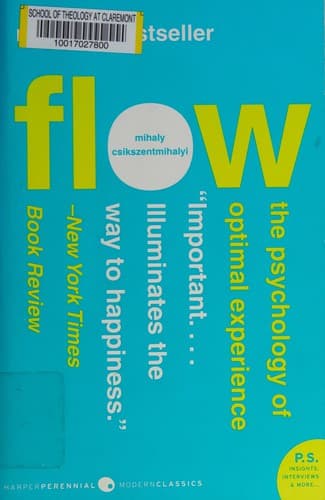
Mihaly Csikszentmihalyi
Csikszentmihalyi describes the absorbed state in which people feel most alive, which fits Brooks's redefinition of success beyond status and money. Readers interested in the psychology of a good life will find it rewarding.
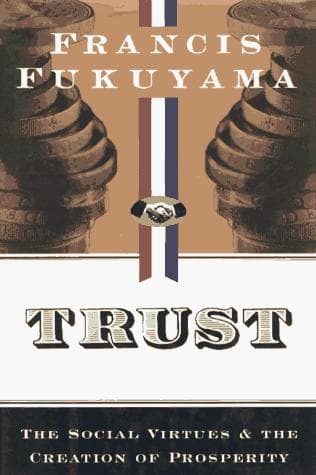
Francis Fukuyama
Fukuyama argues that trust is the social foundation of prosperity, echoing Brooks's call for a culture built on trust and humility. It offers a broad historical framework for the same concern.
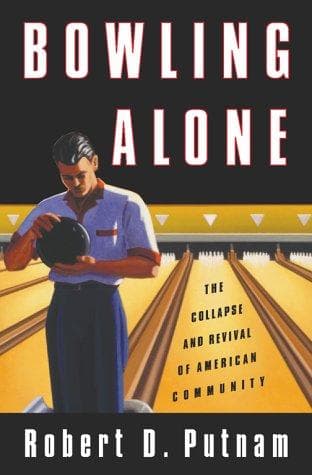
Robert D. Putnam
Putnam documents the decline of civic connection in America, showing how community shapes individual lives. Readers moved by Brooks's emphasis on our deeply social minds will see the same ideas backed by data.
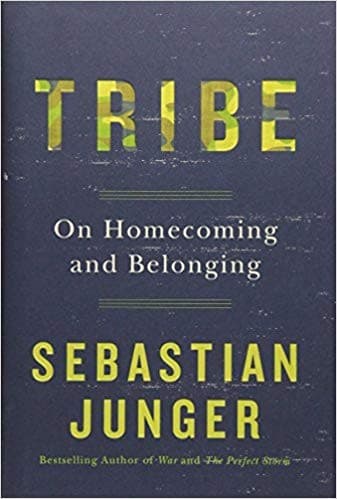
Sebastian Junger
Junger explores why people feel better when they belong to close-knit groups, and why modern individualism can leave them lonely. It is a short, vivid read that pairs well with The Social Animal's view of human connection.
Charles Duhigg
Duhigg blends research with vivid stories to show how habits form and change, much as Brooks uses a life story to illustrate his ideas. The accessible style suits readers who enjoyed his everyday, example-led approach.
Susan Cain
Cain argues that modern culture overvalues extroversion and bold self-promotion, a bias Brooks also criticises. Her warm, personal writing will appeal to readers who liked his critique of individualism.
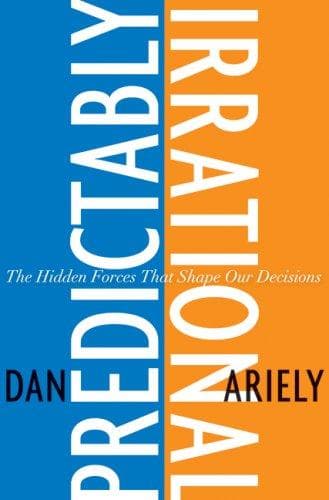
Dan Ariely
Ariely uses playful experiments to show how unconscious forces steer everyday choices, a theme central to The Social Animal. The short chapters make it an easy, engaging follow-up.
We earn a commission if you buy through these links. Learn more