
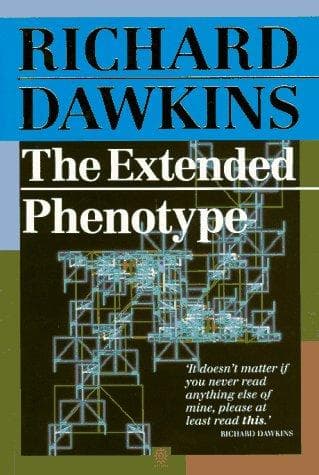
The Extended Phenotype
Richard Dawkins, Wolfgang Mayer
Dawkins's own sequel in spirit, pushing the selfish gene argument further to show genes reaching beyond bodies into nests, dams and even other organisms' behaviour.
Reader-supported: when you buy through links on our site, we may earn an affiliate commission. Learn more
11 books to read next
If you loved The Selfish Gene by Richard Dawkins
Readers love The Selfish Gene for its bold reframing: looking at evolution from the gene's point of view makes sense of puzzles like altruism, aggression, family conflict and cooperation. Dawkins writes with clarity and wit, using vivid metaphors and simple game-theory thought experiments instead of jargon. It rewards curious non-specialists who enjoy having their assumptions overturned, and it introduced ideas, like the meme, that still shape debate. Fans usually want more big-idea science writing that explains behaviour through evolution.
Richard Dawkins, Wolfgang Mayer
Dawkins's own sequel in spirit, pushing the selfish gene argument further to show genes reaching beyond bodies into nests, dams and even other organisms' behaviour.
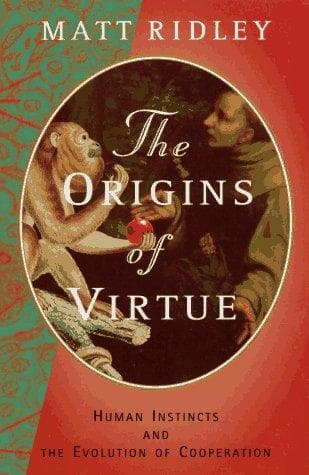
Matt Ridley
Picks up the puzzle of cooperation that The Selfish Gene raised, exploring reciprocal altruism, game theory and trust in humans and animals in accessible, lively prose.
Matt Ridley
Tackles the evolution of sex and sex differences, themes Dawkins introduced, explaining why sexual reproduction exists and how it shapes human nature.
Jerry A. Coyne
A clear, evidence-packed case for natural selection that gives Selfish Gene readers the factual foundation beneath Dawkins's theoretical arguments.
Daniel C. Dennett
A philosopher's ambitious take on natural selection as an algorithm, sharing Dawkins's gene-centred view and his delight in following an idea to its radical conclusions.
Neil Shubin
Traces the human body back through deep evolutionary history with warmth and humour, offering the same pleasure of seeing familiar things through evolution's lens.
Robert Wright
Applies kin selection, reciprocal altruism and sexual selection to human love, family and morality, extending the ideas Dawkins laid out to everyday human life.
Steven Pinker
Argues that human nature is shaped by evolution, confronting the political and ethical worries that greeted gene-centred thinking with the same combative clarity.
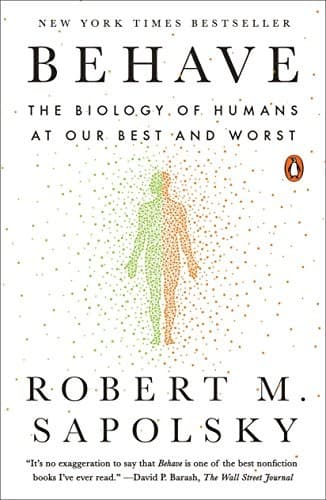
Robert M. Sapolsky
A sweeping, funny account of why we act as we do, linking genes, hormones, brains and culture, ideal for readers who want aggression and altruism explored in depth.
Siddhartha Mukherjee
A rich history of genetics from Mendel to gene editing, filling in the molecular story behind the replicators Dawkins describes so vividly.
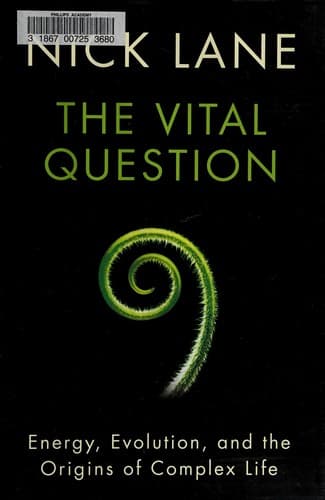
Nick Lane
Goes back to the origins of complex life, matching Dawkins's taste for bold, provocative explanation of how replicators and cells first came about.
We earn a commission if you buy through these links. Learn more