
The Selfish Gene
Richard Dawkins
Dawkins supplies the gene-centred logic that Wright builds on. If The Moral Animal's idea that our behaviour reflects ancestral strategies appealed to you, this is the foundation it rests on.
Reader-supported: when you buy through links on our site, we may earn an affiliate commission. Learn more
11 books to read next
If you loved The Moral Animal by Robert Wright
The Moral Animal is loved for its ambitious reach: Robert Wright takes Darwinian thinking about genes and natural selection and applies it to everyday life, from sexual attraction and jealousy to workplace rivalry and friendship. Readers often praise its clear, lively prose, its willingness to tackle uncomfortable questions about monogamy and cheating, and its habit of linking science to moral and political debates. It reads as a sharp, curious tour of why people act as they do.
Richard Dawkins
Dawkins supplies the gene-centred logic that Wright builds on. If The Moral Animal's idea that our behaviour reflects ancestral strategies appealed to you, this is the foundation it rests on.
Matt Ridley
Ridley explores sex, mating and evolutionary arms races with the same mix of accessible storytelling and rigorous science that makes The Moral Animal engaging for general readers.
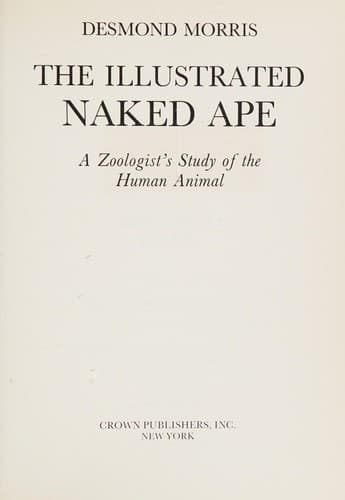
Desmond Morris
Morris treats humans as one more animal species, examining our behaviour through a biological lens. Readers who enjoyed Wright's frank, unsentimental view of human nature will find the same spirit here.
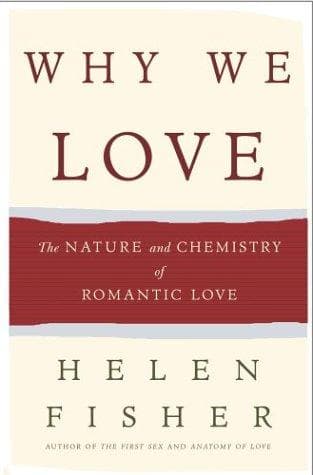
Helen Fisher, Helen E. Fisher
Fisher examines romantic love through brain chemistry and evolution, much as Wright explains attraction and mate choice through reproductive strategy. It suits readers drawn to his discussion of sexual preferences.
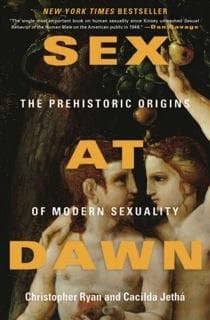
Christopher Ryan, Cacilda Jethá
This provocative book challenges the usual story of monogamy and male sexual strategy, echoing The Moral Animal's willingness to question assumptions about cheating, fidelity and what our bodies are built for.
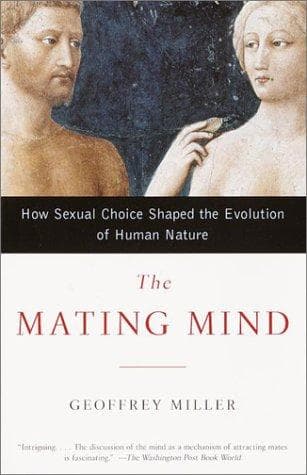
Geoffrey Miller
Miller argues that human creativity, humour and intelligence evolved partly through sexual selection. Readers who liked Wright's account of how mating shapes human traits will find a fresh and bold extension of that idea.
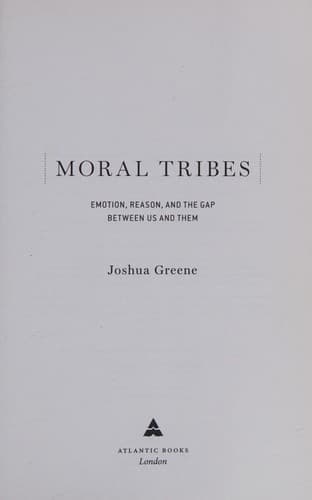
Joshua Greene
Greene asks how our evolved instincts clash with modern moral reasoning, a question at the heart of The Moral Animal. He offers a clear framework for thinking about tribal loyalty versus universal ethics.
Jonathan Haidt
Haidt weaves ancient wisdom together with psychology to explain the divided, instinctive nature of human morality. Readers interested in how our moral codes grow out of biology will find much to appreciate here.
Steven Pinker
Pinker makes the case for innate human nature against the belief that minds are shaped entirely by culture. It is a natural next step for anyone who found Wright's argument that biology shapes behaviour compelling.
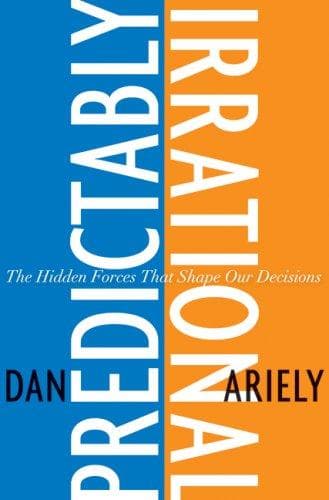
Dan Ariely
Ariely shows through experiments how our judgements often deviate from pure logic. It is a lighter, playful read for those who enjoyed the everyday examples of self-interest and office politics in Wright's book.
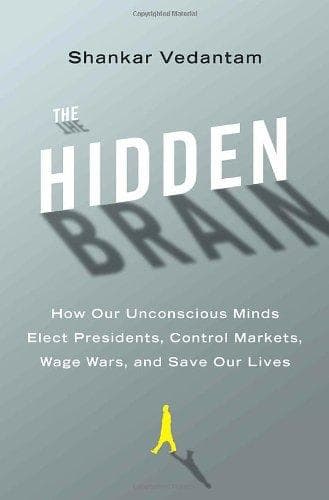
Shankar Vedantam
Vedantam explores the unconscious forces that steer our choices, from social bias to moral judgement. Readers who liked Wright's view that much of human behaviour runs below awareness will find it accessible and engaging.
We earn a commission if you buy through these links. Learn more