
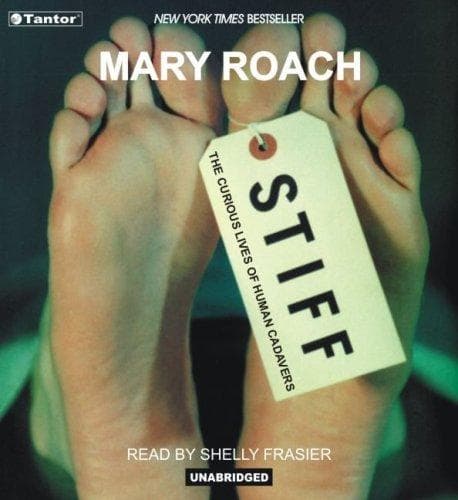
Stiff
Mary Roach, M Roach
Like Blum, Roach takes a grisly subject and explains the science behind it with humour and curiosity, showing how the human body is studied after death, much as Norris and Gettler did in their laboratory.
Reader-supported: when you buy through links on our site, we may earn an affiliate commission. Learn more
12 books to read next
If you loved The Poisoner's Handbook by Deborah Blum
Readers who love The Poisoner's Handbook usually come for the mix of true crime and science: a real 1918 New York setting, a crusading chief medical examiner, and detective work that depends on lab chemistry. They also enjoy the brisk, narrative pace and the vivid Jazz Age atmosphere. Deborah Blum tells it straight, with suspense built from facts rather than hype, so the picks below follow those same threads.
Mary Roach, M Roach
Like Blum, Roach takes a grisly subject and explains the science behind it with humour and curiosity, showing how the human body is studied after death, much as Norris and Gettler did in their laboratory.
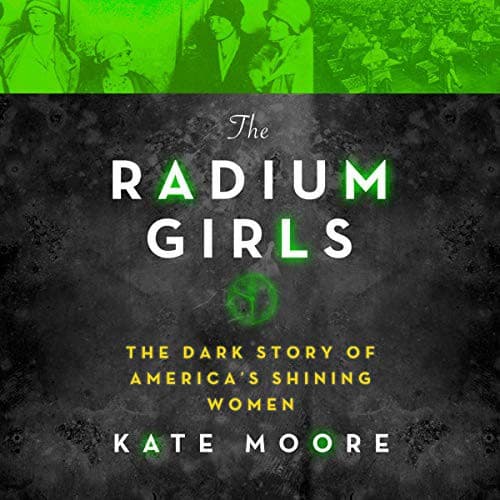
Kate Moore
This account of factory workers poisoned by radium paint in the 1920s shares The Poisoner's Handbook's focus on industrial poisons, the fight for scientific truth, and the institutions that resisted it.
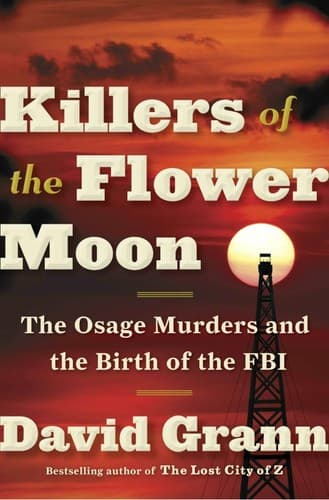
David Grann, Luis Murillo Fort
Grann reconstructs a 1920s murder investigation in Oklahoma with the same archival precision and page-turning pace, showing how early forensic work and institutional corruption shaped justice.
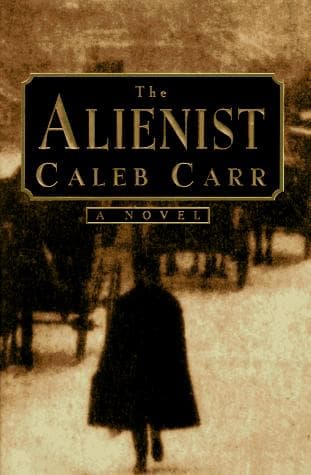
Caleb Carr
Set in 1890s New York, this thriller follows investigators using early forensic methods against a killer, offering the same gritty city atmosphere and scientific-minded detection that Blum captures.
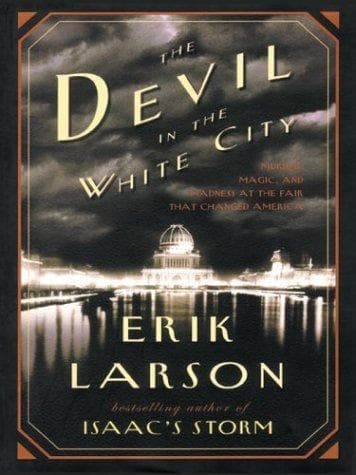
Erik Larson
Larson blends a real turn-of-the-century crime with a story of scientific ambition and urban change, giving the same narrative drive and historical detail that made Blum's book so absorbing.
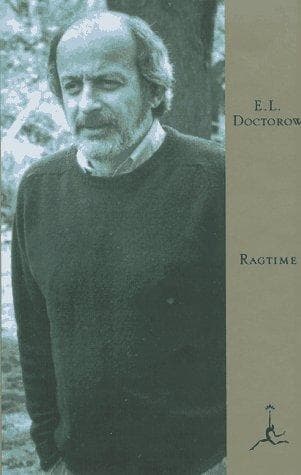
E. L. Doctorow
Doctorow weaves real early twentieth-century New York figures into a fictional story of crime and social upheaval, capturing the era's energy that readers of The Poisoner's Handbook enjoy.
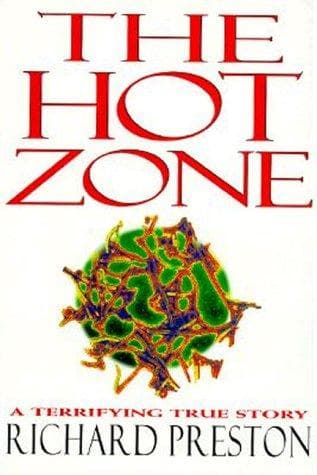
Richard Preston, Richard Preston
Preston writes real science as suspense, following scientists racing a deadly threat, which matches the lab-coat drama and tense, factual storytelling of Blum's account.
Sam Kean
Kean turns chemistry history into a string of anecdotes about poisonings, rivalries and discoveries, a good match for readers who enjoyed the chemistry at the heart of The Poisoner's Handbook.
Steven Johnson
Johnson tells how scientists traced a deadly outbreak to its source in nineteenth-century London, a detective story built on evidence and method much like the forensic work Blum describes.
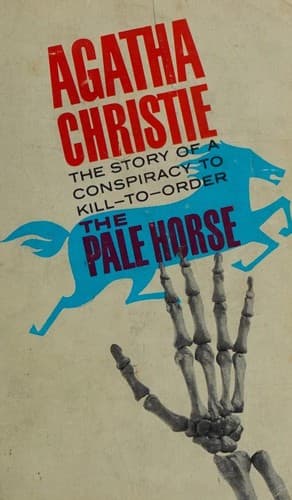
Agatha Christie
Christie's novel turns on poisonings investigated through careful reasoning, appealing to readers who loved the poison-centred mysteries and methodical detection in Blum's book.
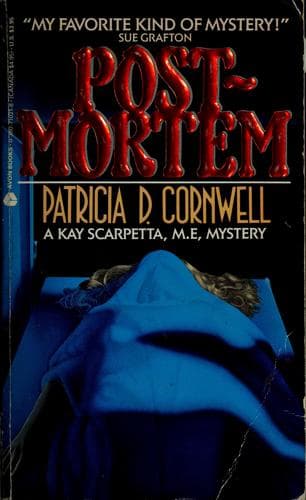
Patricia Cornwell
Cornwell's forensic pathologist works through autopsies and lab evidence to solve a murder, giving fiction readers the same behind-the-scenes look at medical examination that Blum offers in nonfiction.
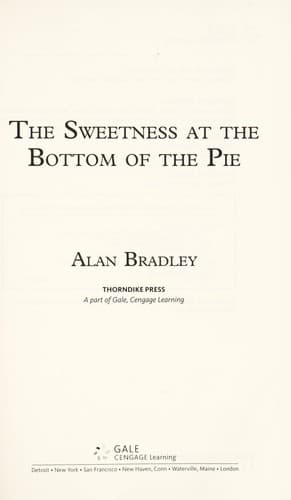
Alan Bradley
A young amateur chemist with a passion for poisons investigates a murder in a 1950s English village, a lighter and charming pick for readers who relished the chemistry and poison lore in The Poisoner's Handbook.
We earn a commission if you buy through these links. Learn more