
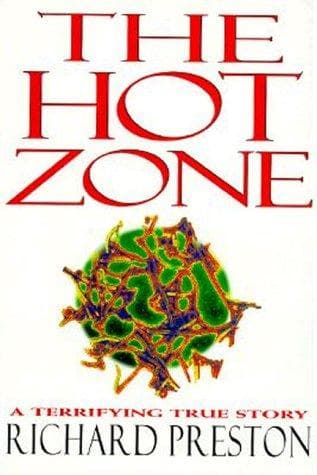
The Hot Zone
Richard Preston, Richard Preston
Like The Ghost Map, it turns a disease outbreak into a tense, step-by-step investigation, following scientists who race to trace the source of a deadly virus before it spreads.
Reader-supported: when you buy through links on our site, we may earn an affiliate commission. Learn more
12 books to read next
If you loved The Ghost Map by Steven Johnson
Readers who love The Ghost Map usually enjoy its mix of gripping narrative and big ideas. Johnson follows one terrifying week in 1854 Soho, when cholera swept a neighbourhood, and a doctor's stubborn detective work. The book moves smoothly from street-level human stories to the science of microbes and the design of cities. It is accessible, vivid and optimistic about how careful thinking can change the world, with no jargon overload. The picks below share that blend of true-story pacing, urban history and scientific discovery.
Richard Preston, Richard Preston
Like The Ghost Map, it turns a disease outbreak into a tense, step-by-step investigation, following scientists who race to trace the source of a deadly virus before it spreads.
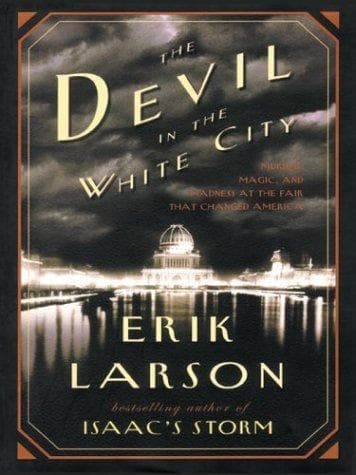
Erik Larson
Larson, like Johnson, braids a historical city with a dark, real-life mystery, weaving together urban ambition and human danger in late nineteenth-century America.
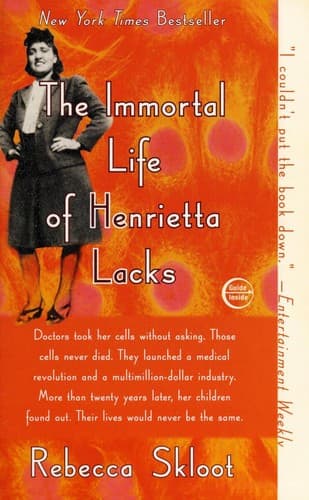
Rebecca Skloot
It pairs a scientific breakthrough with the personal stories of ordinary people, the same human-scale focus that makes Johnson's account of the Broad Street outbreak so compelling.
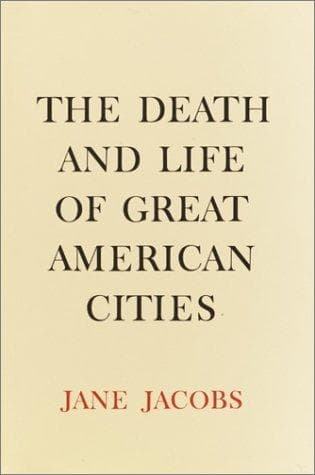
Jane Jacobs
Jacobs argues that neighbourhoods, streets and everyday contact make cities healthy, an idea that echoes Johnson's view that urban design and public health are deeply connected.
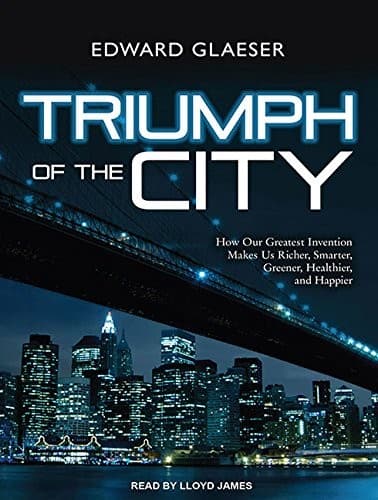
Edward L. Glaeser
Glaeser explains why dense cities create ideas and prosperity, extending the urban-theory questions Johnson raises about how close living changes people's lives.
Charles Dickens
Dickens brings Victorian London's crowded, unsanitary streets vividly to life, giving fiction-lovers the same sense of the city and its poorest residents that The Ghost Map conveys.
Simon Winchester
Winchester tells how a single determined man mapped the geology of Britain, a story of patient observation and persuasion that will appeal to fans of Snow's methodical detective work.
Siddhartha Mukherjee
Mukherjee traces the long history of cancer research with clarity and humanity, the kind of disease history that Johnson makes so readable and that rewards curious non-specialists.
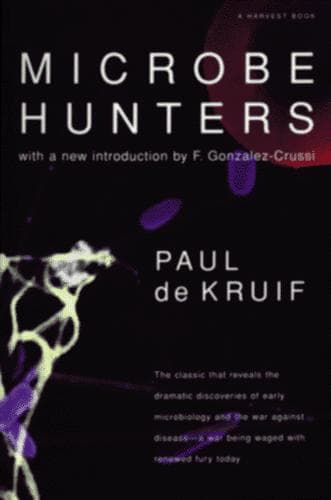
Paul De Kruif
A classic account of the scientists who first discovered microbes, it captures the excitement of the early germ theory era that makes John Snow's achievement in The Ghost Map feel so important.

Jared Diamond
Diamond explores how disease and geography shaped human history, offering the wider, world-scale view of microbes and societies that readers often seek after Johnson's focused London story.
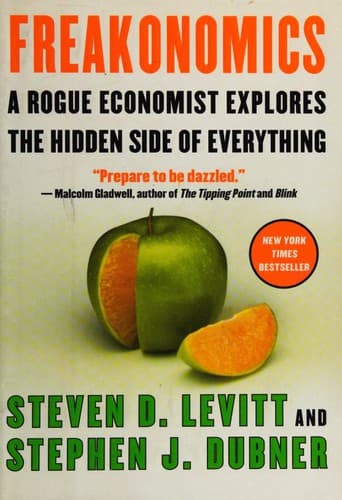
Steven D. Levitt, Stephen J. Dubner
This book uses surprising data and clever questions to uncover hidden causes, appealing to readers who enjoyed how Johnson shows that patient evidence can overturn a received wisdom.
Yuval Noah Harari
Harari sweeps across human history with bold, accessible arguments about how ideas, cities and technologies reshaped society, matching the broad reach of The Ghost Map's connections.
We earn a commission if you buy through these links. Learn more