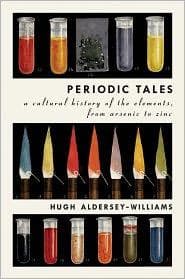
Hugh Aldersey-Williams
Like Kean, Aldersey-Williams roams through the elements via culture, art and history rather than equations, offering a similarly anecdotal, browsable tour of the periodic table with a British, essayistic flavour.
Reader-supported: when you buy through links on our site, we may earn an affiliate commission. Learn more
11 books to read next
If you loved The Disappearing Spoon by Sam Kean
Readers love The Disappearing Spoon for turning the periodic table into a parade of stories: eccentric scientists, rivalries, poisonings, pranks and wartime schemes, each tied to a specific element. Sam Kean writes with breezy humour and a nose for the odd anecdote, so hard chemistry goes down easily. The book jumps between history, biography and science in short, digestible chapters, leaving you with trivia to share and a surprisingly solid sense of how matter works and how people discovered it.

Hugh Aldersey-Williams
Like Kean, Aldersey-Williams roams through the elements via culture, art and history rather than equations, offering a similarly anecdotal, browsable tour of the periodic table with a British, essayistic flavour.

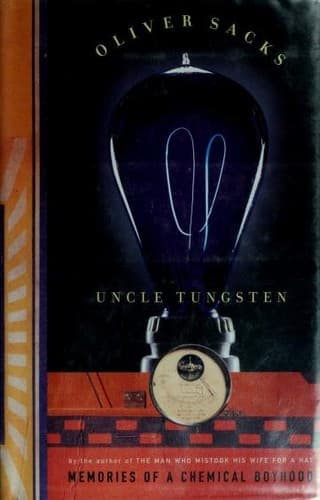
Oliver Sacks
Sacks's memoir of a boyhood obsessed with metals and chemistry captures the same wonder at elements that drives The Disappearing Spoon, blending personal story with the history of chemical discovery.

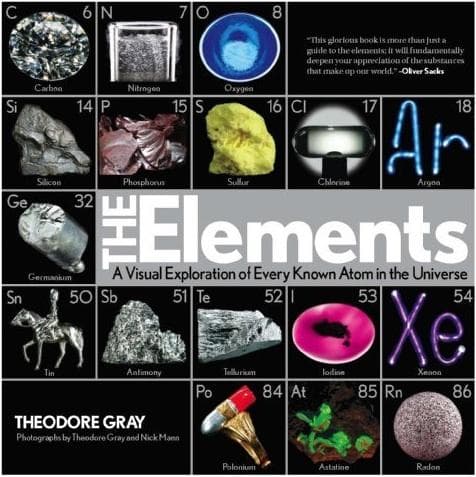
Theodore W. Gray
A lavishly photographed guide to every element, full of quirky facts and real-world samples. It's the visual companion to Kean's stories, perfect for readers who want to see what they read about.

Sam Kean
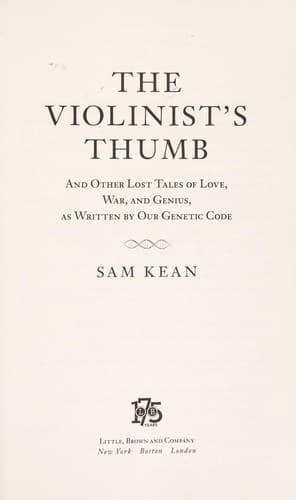
Kean applies the same storytelling approach to DNA and genetics, mixing odd historical episodes, flawed scientists and clear explanations exactly as he did with the periodic table.

Sam Kean
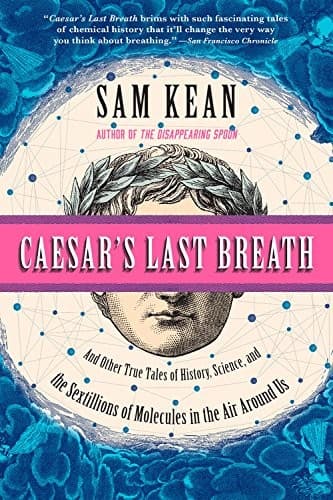
If you enjoyed the gas and chemistry chapters, this book about the air we breathe offers another anecdote-packed romp through chemistry and history in Kean's familiar witty voice.

Sam Kean
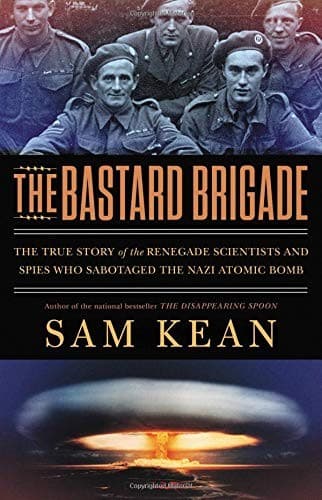
Kean tells the story of spies and scientists racing to stop Nazi Germany's atomic bomb, expanding on the wartime chemistry and physics intrigue that surfaces throughout The Disappearing Spoon.
Deborah Blum
Blum follows early forensic chemists in Jazz Age New York, chapter by poison. Fans of Kean's arsenic and thallium tangents will love this blend of true crime and element science.

Kate Moore
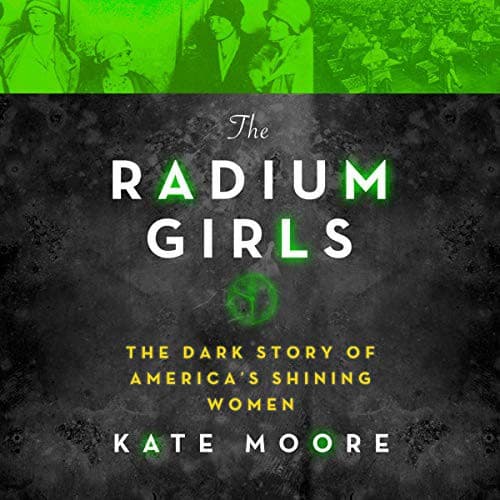
Kean's radium chapter touches on the dangers of early radioactivity; Moore tells the full, moving story of the factory women poisoned by radium paint and their fight for justice.
Bill Bryson
Bryson's funny, sweeping tour of how scientists figured out the universe shares Kean's love of eccentric characters and accessible explanations, covering chemistry, geology, physics and biology.

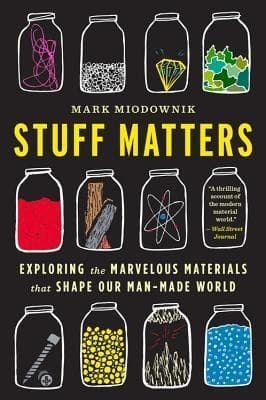
Mark Miodownik
A materials scientist explains everyday substances like steel, glass and concrete through lively stories, ideal for readers who enjoyed Kean connecting atoms to ordinary objects like that melting spoon.
Richard Rhodes
For readers wanting to go deeper into the physicists and chemists behind uranium and plutonium, Rhodes's classic narrative history offers rich detail on the people Kean introduces in passing.
We earn a commission if you buy through these links. Learn more