
We earn a commission if you buy through these links. Learn more
The Black Swan
by Nassim Nicholas Taleb, David Chandler
Guide by the Books of the Day editors · Updated · How we write our guides
A sharp, combative argument that rare, unpredictable events drive history and that our confident forecasts and tidy explanations routinely miss them.
What Creators Say About The Black Swan
1 creator reviewed The Black Swan on YouTube in 2025, with 245 views between them. Their opinions are their own; we picked these reviews, we didn't write them.
What It's About
The Black Swan is nonfiction, despite the fiction label on this listing. Nassim Nicholas Taleb, a former options trader and essayist, argues that history is shaped by rare, hard-to-predict events with enormous consequences, and that we routinely pretend we saw them coming once they have happened. The book is less a tidy system than a long, opinionated tour through finance, science, history, and everyday decision-making, held together by a restless voice that enjoys provoking its readers.
Expect a book that circles its themes rather than moving in a straight line. Taleb repeats his central images, digresses into grievances against economists and forecasters, and often makes his case by stacking examples instead of building a formal argument. Some readers find this exhilarating and others find it padded. The prose is more readable than the subject suggests and full of wit, but you need to tolerate a fair amount of self-regard and sweeping claims.
If you come looking for a practical guide to forecasting or investing, you will leave with an attitude more than a method. The lasting value is a set of habits: distrust neat stories told after the fact, be wary of models that assume tidy bell curves, and arrange your life so that surprises cannot wipe you out. Reading it feels like being argued with by someone certain he is right, which is part of its appeal.
Read this if you…
- want a provocative challenge to how you judge experts, forecasts, and confident explanations
- are interested in finance, risk, or history and enjoy big-picture argument
- like sharp, combative prose and don't mind a writer who enjoys being contrarian
Skip it if you…
- need a practical, step-by-step guide to a specific field or investment strategy
- get irritated by repetition, digressions, and a writer who rarely admits doubt
Key Ideas
- 1
Rare events drive outsized outcomes
Taleb's core claim is that a small number of unpredictable events shape most of history, markets, and careers, while ordinary days contribute surprisingly little. He argues these events are rare, carry enormous impact, and get explained away only after they occur, which makes them seem predictable in hindsight.
- 2
Two kinds of worlds: Mediocristan and Extremistan
Taleb contrasts domains where no single observation can dominate a total, like human heights, with domains where one event can dwarf everything else, like wealth or market prices. Most of social and economic life belongs to the second kind, yet we tend to reason about it as if it belonged to the first.
- 3
The narrative fallacy
We crave tidy stories that link events into clean chains of cause and effect. These stories make the past look more predictable than it was, and they blind us to randomness. Taleb argues that explanations which sound convincing are often assembled after the outcome is already known.
- 4
Why experts miss the unexpected
Taleb is hard on forecasters, economists, and commentators, arguing that confident prediction is often worse than admitting ignorance. He points to a habit of overrating what we know and underrating how often we are wrong, and suggests that people who stay open to surprise tend to handle it better.
- 5
Building for surprise: fragility and the barbell
Taleb proposes arranging your finances and institutions so that bad surprises cannot destroy you and good surprises can help you. His most concrete advice is the barbell strategy: keep most resources in very safe positions and a small portion in high-upside bets, avoiding the middle-risk options that look reasonable but hide fragility.
Limitations
Much of the book is repetitive, and Taleb's tone is often combative, with frequent asides aimed at named economists and academics that some readers find unfair. Critics also argue that it offers little method for telling a genuine Black Swan from an ordinary surprise, so its advice is more philosophical than operational. Some examples come from the period around the 2007 financial crisis and may feel dated. Later work by Taleb, including Antifragile, develops several ideas further. The listing also credits David Chandler, whose contribution I cannot verify, so check the edition you are buying.
Questions Readers Ask
- Is The Black Swan still relevant?
- Yes, largely. The core ideas about hindsight bias, overconfident forecasting, and rare shocks have aged well and are applied constantly to markets, pandemics, and technology. Some specific examples and the author's tone show their age, so treat the book as a framework rather than a current analysis of any one field.
- How does it compare to Taleb's later books?
- Antifragile, published later, builds on the idea that some systems gain from volatility and is more prescriptive. The Black Swan is the broader introduction to rare events and the limits of prediction, so start here for the foundation before moving to the more practical sequel.
- Published
- 2005
- ISBN
- 9780141889238
- Difficulty
- intermediate
- Category
- Fiction
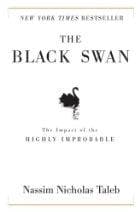
Book details and cover from Google Books.
Ready to read The Black Swan?
Get your copy on Amazon, or listen to it on Audible. We earn a commission if you buy through these links.