
Thinking, Fast and Slow
Daniel Kahneman
Written by one half of the partnership at the heart of The Undoing Project, it explains the heuristics and biases the two men uncovered, with the same clarity and curiosity about how intuition goes wrong.
Reader-supported: when you buy through links on our site, we may earn an affiliate commission. Learn more
12 books to read next
If you loved The Undoing Project by Michael Lewis
Readers who loved The Undoing Project usually enjoy its warm portrait of a friendship built on argument, its clear explanations of how the mind misjudges risk and probability, and its narrative pace, which reads like a novel while teaching real ideas. Lewis brings psychology to life through two vivid personalities and their unlikely, productive partnership. Expect a sense of discovery, humility about human reasoning, and a story that makes hard science feel personal.
Daniel Kahneman
Written by one half of the partnership at the heart of The Undoing Project, it explains the heuristics and biases the two men uncovered, with the same clarity and curiosity about how intuition goes wrong.
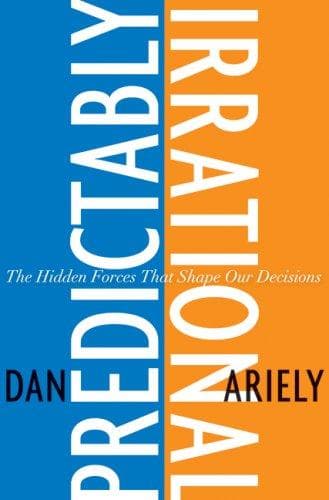
Dan Ariely
It takes the Kahneman and Tversky tradition of behavioural economics and applies it to everyday choices, showing how predictable errors shape prices, promises and purchases in ways readers will recognise.
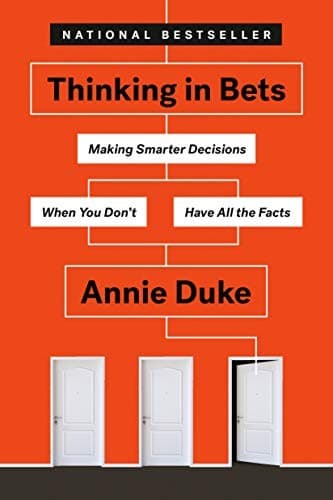
Annie Duke
Duke, a former professional poker player, examines how people judge decisions under uncertainty, echoing the book's central idea that good reasoning must account for what we cannot know.
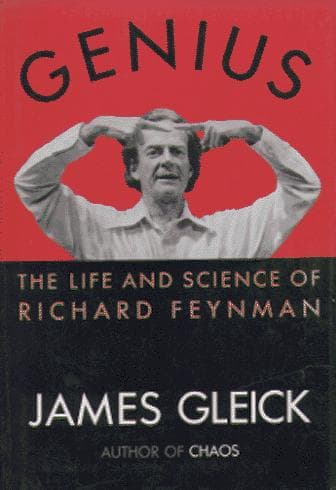
James Gleick
A lively biography of the physicist Richard Feynman that, like The Undoing Project, shows how a single extraordinary mind works and how science is shaped by its personalities and rivalries.
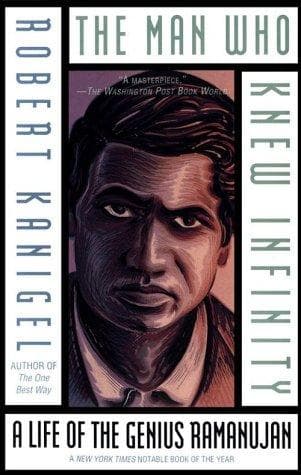
Robert Kanigel
This account of the mathematician Srinivasa Ramanujan and his collaboration with G. H. Hardy mirrors Lewis's story of two very different thinkers whose partnership changed a field.
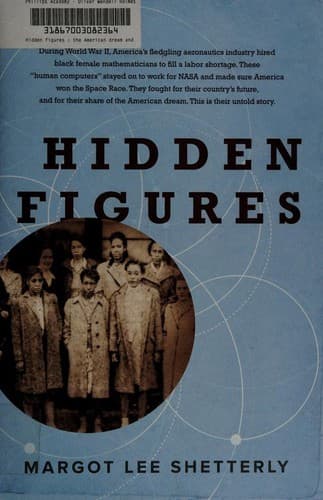
Margot Lee Shetterly
It tells the true story of the women who did the calculations behind early American spaceflight, offering the same pleasure of seeing brilliant, overlooked people at work and the stakes of their ideas.
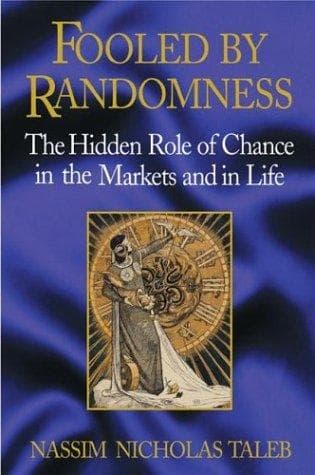
Nassim Nicholas Taleb
Taleb argues that luck and chance are routinely mistaken for skill, a theme that fits readers drawn to The Undoing Project's exploration of the limits of human reason in an unpredictable world.
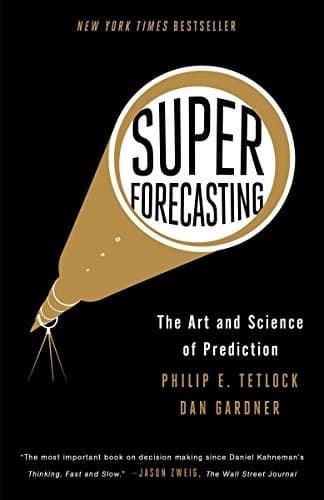
Philip E. Tetlock, Dan Gardner
Tetlock's research on who predicts the future well draws on the same psychology of judgement, showing how careful thinking can beat instinct when outcomes are uncertain.
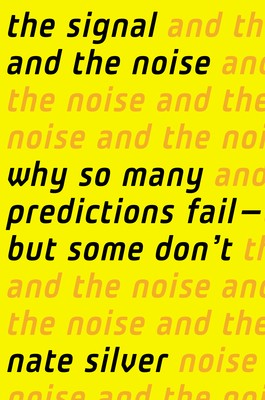
Nate Silver
Silver explores why so many predictions fail and how probabilistic thinking can help, a practical companion for readers who want to see how Kahneman and Tversky's ideas play out in data.
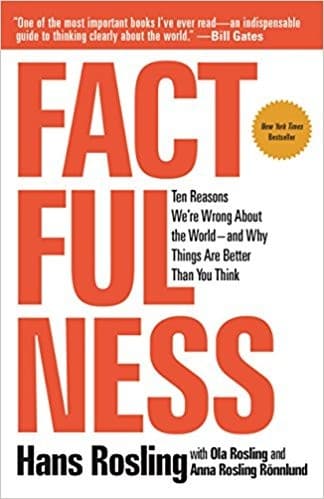
Hans Rosling, Ola Rosling
Rosling shows how our minds systematically misread the world, using accessible examples and a clear tone that suits readers who enjoyed the psychology of The Undoing Project without its technical depth.
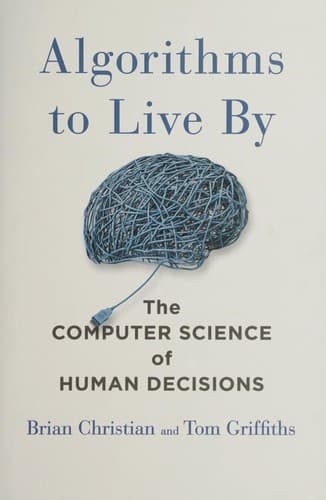
Brian Christian, Tom Griffiths
Christian uses computer science to illuminate everyday decisions, reflecting The Undoing Project's interest in how formal reasoning meets the messy problems of human judgement.
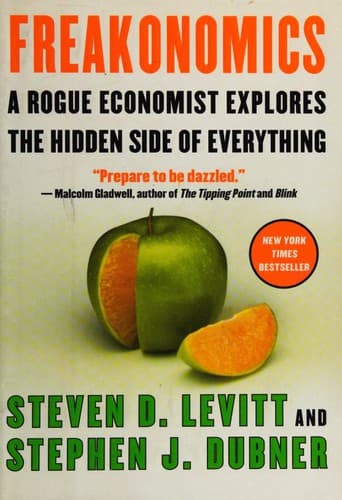
Steven D. Levitt, Stephen J. Dubner
Levitt and Dubner use surprising questions and data to challenge conventional wisdom, delivering the same playful, story-driven pleasure that makes Lewis's account of two psychologists so engaging.
We earn a commission if you buy through these links. Learn more