
Thinking, Fast and Slow
Daniel Kahneman
Like Haidt, Kahneman takes age-old assumptions about human reason and tests them with careful experiments, showing how intuition often misleads us in everyday choices about happiness and meaning.
Reader-supported: when you buy through links on our site, we may earn an affiliate commission. Learn more
12 books to read next
If you loved The Happiness Hypothesis by Jonathan Haidt
Readers who love The Happiness Hypothesis usually enjoy how Jonathan Haidt takes old proverbs and philosophical ideas and tests them against modern psychology research. The tone is curious and conversational, and the book is organised around ten big ideas, each examined in its own chapter. People return to it for practical insight into meaning, relationships and self-control, and for the sense that ancient wisdom can still be checked against evidence. The pace is brisk and the examples are concrete and accessible.
Daniel Kahneman
Like Haidt, Kahneman takes age-old assumptions about human reason and tests them with careful experiments, showing how intuition often misleads us in everyday choices about happiness and meaning.
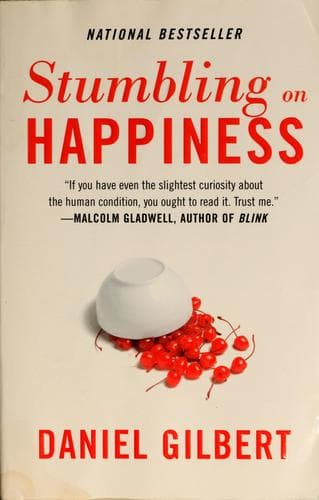
Daniel T. Gilbert
Gilbert explains why we mispredict what will make us happy, using research in a lively, witty style that echoes Haidt's habit of unpacking common beliefs about the good life.
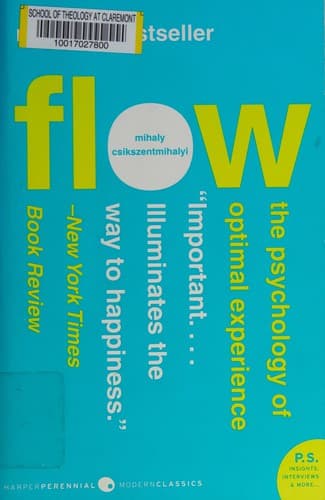
Mihaly Csikszentmihalyi
Flow draws on decades of research to describe the absorbed states that make life feel meaningful, complementing Haidt's argument that engagement and purpose matter more than pleasure alone.
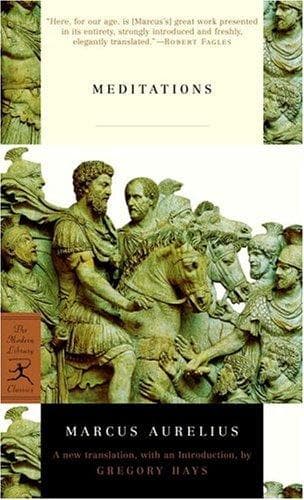
Marcus Aurelius
Written as private reflections by a Roman emperor, these short passages offer the same ancient guidance on virtue and equanimity that Haidt examines, and they reward slow, repeated reading.
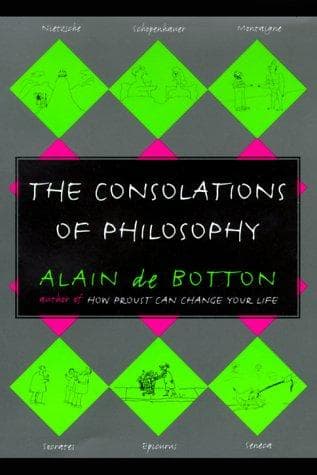
Alain De Botton
De Botton draws on Epicurus, Seneca, Montaigne and others to offer practical philosophy for everyday problems, much like Haidt's chapters that translate old maxims into modern life.
Viktor Emil Frankl
Frankl's account of finding purpose under extreme hardship speaks directly to the question of a meaningful life that runs through The Happiness Hypothesis, grounded in lived experience.
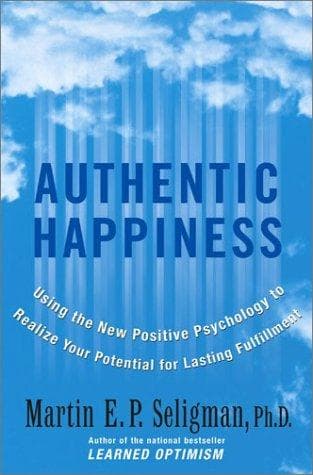
Martin Elias Pete Seligman
Seligman, a founder of positive psychology, lays out research-backed strategies for building well-being, appealing to readers who enjoyed Haidt's blend of scientific findings and practical life lessons.
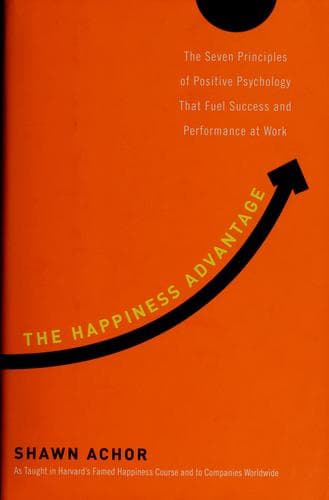
Shawn Achor
Achor argues that positive outlook can drive success, using studies and clear examples, so readers who liked Haidt's focus on actionable insight will find many ideas to try.
M. Scott Peck
Peck opens with the value of discipline and self-examination and links them to a fuller life, a theme Haidt also explores through old wisdom about self-control and growth.
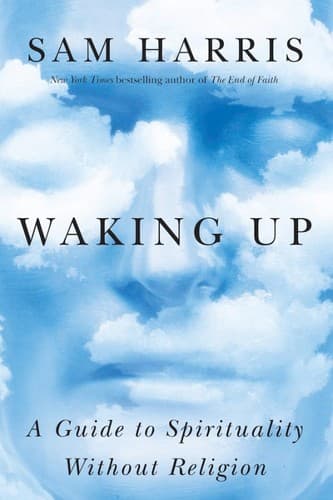
Sam Harris
Harris blends neuroscience with contemplative traditions to question the self and the search for lasting well-being, a natural next step for readers drawn to the spiritual side of Haidt's book.
Dalai Lama XIV Bstan-ʼdzin-rgya-mtsho, Howard C. Cutler
This conversation between the Dalai Lama and a psychiatrist pairs Buddhist wisdom with Western psychology, the same meeting of old traditions and modern science that gives The Happiness Hypothesis its appeal.
Carol S. Dweck
Dweck's research on fixed and growth mindsets shows how a belief about ourselves shapes our choices, offering a clear, evidence-based idea for readers who enjoyed Haidt's examination of human nature.
We earn a commission if you buy through these links. Learn more