
The Selfish Gene
Richard Dawkins
Dawkins offers the gene-centred view of evolution that underlies much of The Red Queen's reasoning about why organisms must keep adapting just to stay in place. Expect a similarly sharp, argument-driven style.
Reader-supported: when you buy through links on our site, we may earn an affiliate commission. Learn more
12 books to read next
If you loved The Red Queen by Matt Ridley
Readers who love The Red Queen usually come for its clear, witty tour of why sex exists at all and how it shapes human behaviour. Ridley mixes evolutionary theory with lively examples from animals, plants and people, using the running Red Queen as a steady metaphor. The pace is brisk, the tone curious rather than preachy, and the science is explained without jargon. If you enjoy big questions answered with well-chosen detail, these picks follow similar paths.
Richard Dawkins
Dawkins offers the gene-centred view of evolution that underlies much of The Red Queen's reasoning about why organisms must keep adapting just to stay in place. Expect a similarly sharp, argument-driven style.

Carl Zimmer
Zimmer explores the parasites that drive host evolution, the very pressure The Red Queen says made sex worthwhile. It is a vivid, well-reported companion for readers fascinated by the constant arms race between species.
Jonathan Weiner
Weiner follows Galápagos finches as their beaks change in real time, showing evolution as a live process. Readers who enjoyed Ridley's grounded, example-led approach will find the same appeal in its field-based storytelling.
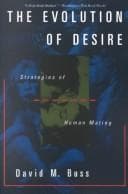
David M. Buss
Buss reports large studies of what men and women seek in partners, the mate preferences The Red Queen discusses in its account of blondes, status and youth. It is clear, data-driven and grounded in evolutionary psychology.
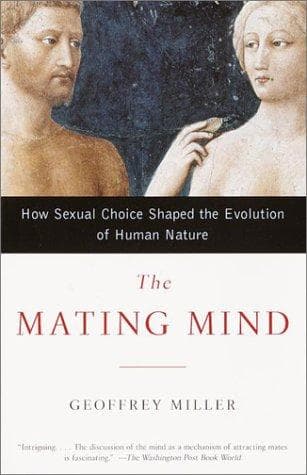
Geoffrey Miller
Miller argues that much human creativity and display evolved through sexual selection, extending The Red Queen's idea that mate choice shapes traits. Readers who liked its provocative link between sex and behaviour will enjoy it.
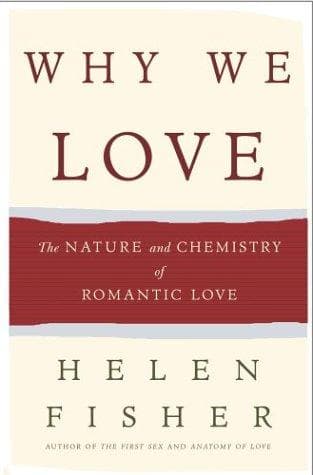
Helen Fisher, Helen E. Fisher
Fisher examines romantic love as a brain system shaped by reproduction and mate choice. It complements The Red Queen's evolutionary view of pair-bonding with a readable, research-led account of attraction.
Robin Baker
Baker describes sperm competition and the hidden contests inside the reproductive tract, a surprising corner of the science The Red Queen explores. Its bold, sometimes cheeky tone suits readers who enjoy counterintuitive findings.
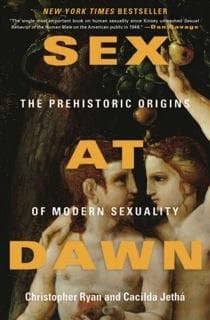
Christopher Ryan, Cacilda Jethá
This book challenges conventional assumptions about human mating using evolutionary and anthropological evidence. Readers who enjoyed The Red Queen's willingness to question received ideas about sex will find it a lively, debate-raising read.
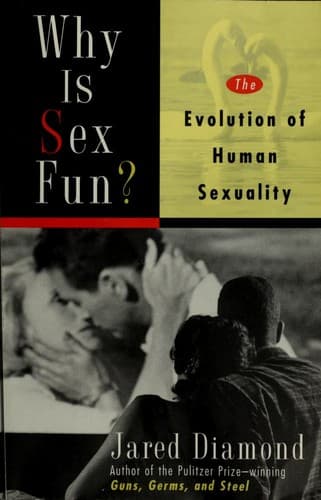
Jared Diamond
Diamond asks why human sexuality differs from that of other animals and what that tells us about our evolution. It shares The Red Queen's approach of using broad evolutionary reasoning to explain everyday human behaviour.
Robert Wright
Wright applies evolutionary psychology to jealousy, mate choice and cooperation, the same human territory The Red Queen maps. It is engaging and accessible for readers wanting to see how sex shapes social life.
Steven Pinker
Pinker argues that human nature is shaped by evolution more than many assume, a theme that runs through The Red Queen's treatment of sexual behaviour. Its lucid, confident writing will appeal to readers who like clear scientific argument.
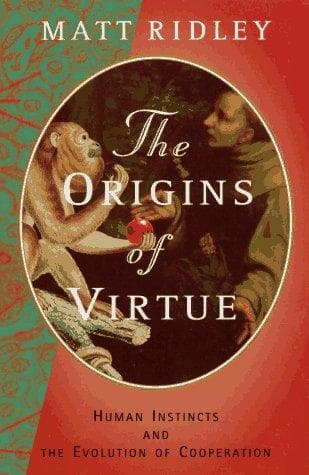
Matt Ridley
Ridley's book is not an option here because it shares the same author as the source. Instead, consider another evolutionary text that explores cooperation and human nature with the same curiosity.
We earn a commission if you buy through these links. Learn more