Daniel Kahneman
The foundational work behind many ideas Ariely popularises. Kahneman explains the two systems driving our judgments, giving a deeper, more complete map of the biases Predictably Irrational illustrates with experiments.
Reader-supported: when you buy through links on our site, we may earn an affiliate commission. Learn more
12 books to read next
If you loved Predictably Irrational, Revised and Expanded Edition by Dan Ariely
Readers love Predictably Irrational for its playful, experiment-driven tour of why we make bad decisions in consistent ways. Ariely builds each chapter around a clever study, from free offers to placebo pricing to social versus market norms, and ties it to everyday choices about money, food, dating and honesty. The tone is conversational and often funny, the chapters are short, and the big idea lands clearly: our irrationality follows patterns we can learn to spot and sometimes outsmart.
Daniel Kahneman
The foundational work behind many ideas Ariely popularises. Kahneman explains the two systems driving our judgments, giving a deeper, more complete map of the biases Predictably Irrational illustrates with experiments.

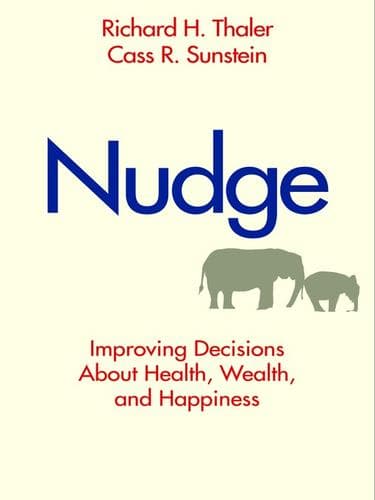
Richard H. Thaler, Cass R. Sunstein
Where Ariely shows how we go wrong, Thaler and Cass Sunstein show how choice design can steer us toward better decisions, applying the same insights to savings, health and public policy.

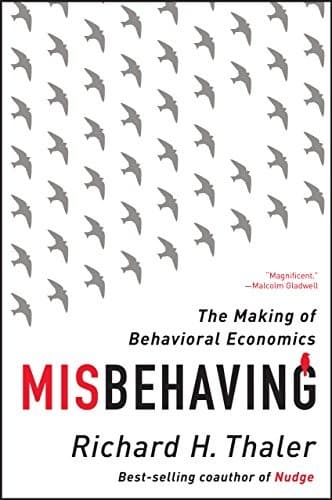
Richard H. Thaler
A witty, story-driven history of how behavioral economics fought its way into the mainstream, full of the same everyday anomalies about money and choice that make Ariely's book so entertaining.

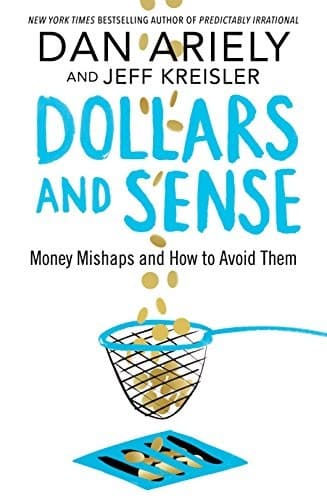
Dan Ariely, Jeff Kreisler
Ariely and Jeff Kreisler zoom in on spending, applying the mental accounting and pricing quirks from Predictably Irrational to everyday purchases, with practical tips for thinking about money more clearly.
Morgan Housel
Short, readable chapters on why smart people make odd financial choices. It shares Ariely's interest in emotion over logic, but focuses on long-term behaviour around wealth, risk and greed.

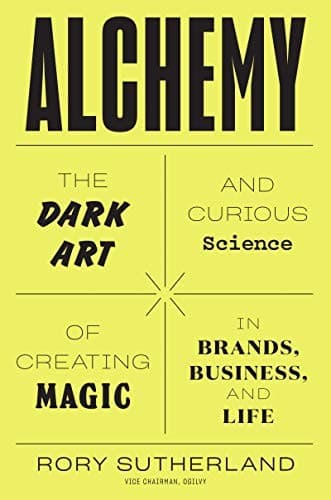
Rory Sutherland
An advertising veteran argues that seemingly irrational behaviour often has hidden logic. If Ariely's placebo-pricing and decoy chapters delighted you, Sutherland's playful marketing examples offer a fresh, contrarian angle.

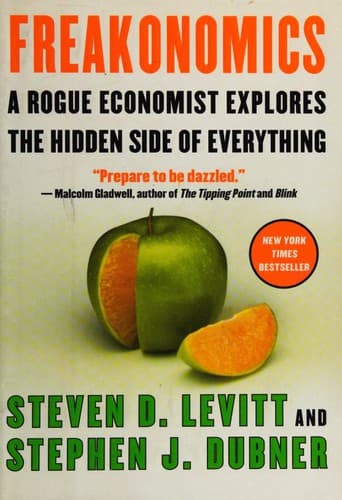
Steven D. Levitt, Stephen J. Dubner
Levitt and Stephen J. Dubner use data to uncover surprising hidden incentives behind everyday life. It matches Ariely's curiosity-driven, myth-busting style and is just as easy to read in short bursts.

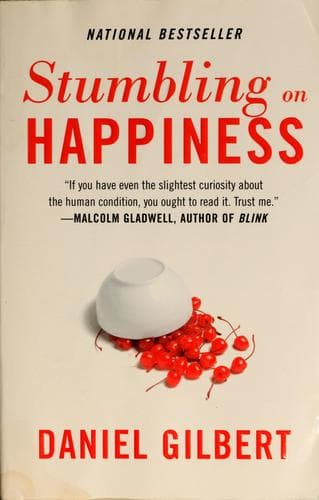
Daniel T. Gilbert
A funny, research-packed look at why we're bad at predicting what will make us happy, extending Ariely's point that our minds systematically mislead us about our own preferences.

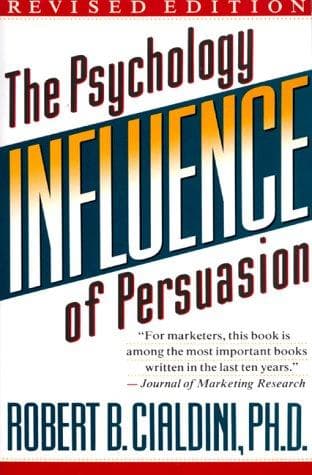
Robert B. Cialdini
The classic study of persuasion, explaining reciprocity, scarcity and social proof. Readers who liked Ariely's take on free offers and social norms will recognise how marketers exploit these predictable reflexes.

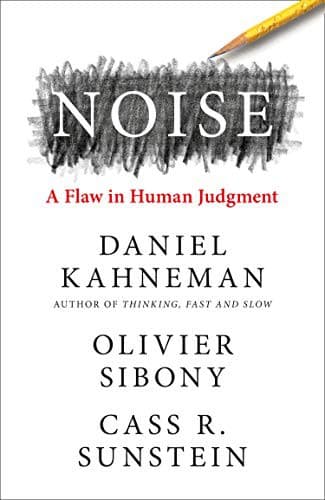
Daniel Kahneman, Olivier Sibony
Kahneman, Olivier Sibony and Cass Sunstein explore random variability in judgments by doctors, judges and managers, a companion problem to the systematic bias Ariely documents, with ideas for reducing it.
Michael Lewis
The story of Kahneman and Amos Tversky's friendship and the research that launched the field Ariely works in, told with Lewis's gift for narrative and character.

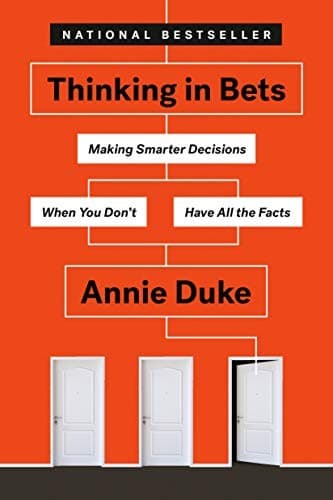
Annie Duke
A former poker champion shows how to make better decisions under uncertainty, turning the biases highlighted in Predictably Irrational into practical habits for separating luck from skill.
We earn a commission if you buy through these links. Learn more