
Thinking, Fast and Slow
Daniel Kahneman
The earlier book by Noise's lead author lays out the cognitive biases and two-system thinking that Noise builds on, so readers can see where the ideas on judgement error come from.
Reader-supported: when you buy through links on our site, we may earn an affiliate commission. Learn more
12 books to read next
If you loved Noise by Daniel Kahneman, Olivier Sibony
Noise is about the unwanted variability in human judgement: why two doctors, judges or underwriters can look at the same case and reach very different conclusions. Readers typically love its clear, structured argument, its many concrete examples from business, medicine and law, and its practical focus on how to reduce error through better decision processes. The tone is measured and curious rather than preachy, and the chapters move briskly from problem to diagnosis to remedy.
Daniel Kahneman
The earlier book by Noise's lead author lays out the cognitive biases and two-system thinking that Noise builds on, so readers can see where the ideas on judgement error come from.
Philip E. Tetlock, Dan Gardner
Like Noise, it asks how judgement can be made more accurate and consistent, showing how disciplined forecasters track their reasoning and update on evidence.
Richard H. Thaler, Cass R. Sunstein
It shares Noise's interest in how choice architecture and small design changes steer everyday decisions, with a similarly accessible, example-driven style.
Atul Gawande
Gawande shows how simple, standardised checklists reduce errors in surgery and other complex work, mirroring Noise's case for rules and structured procedures over case-by-case intuition.
Kim Scott
Readers who valued Noise's practical advice on consistent management may appreciate this guide to giving feedback clearly and fairly in the workplace.
Brian Christian, Tom Griffiths
It explores when simple formal methods beat gut feeling in everyday choices, echoing Noise's argument that rules and models can outperform unaided human judgement.
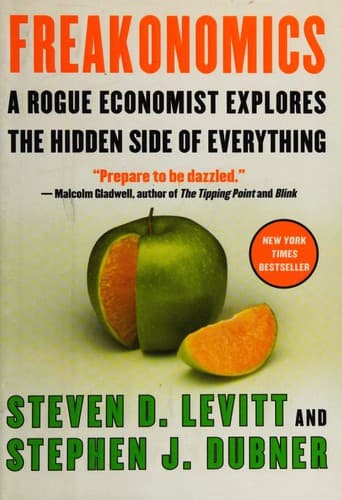
Steven D. Levitt, Stephen J. Dubner
Its curious, data-led look at surprising patterns in human behaviour matches Noise's habit of testing intuitions against evidence in an engaging, conversational way.
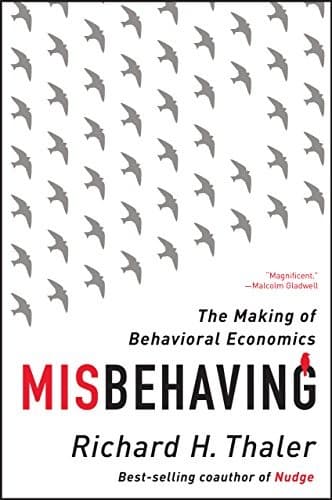
Richard H. Thaler
A readable history of behavioural economics that fills in the background to many of Noise's ideas, told with anecdotes rather than dense theory.
Michael Lewis
It tells the story of Kahneman and Tversky's partnership, giving readers warm, human context for the research and debates that Noise draws on.
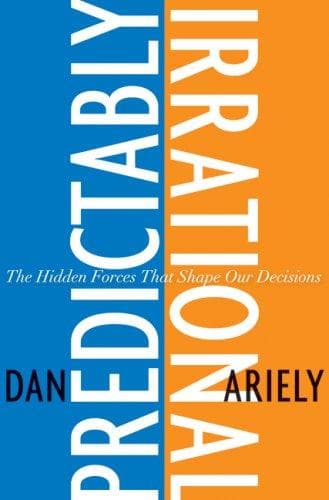
Dan Ariely
It documents systematic patterns in how people misjudge choices, offering experiments that complement Noise's examples of predictable errors in judgement.
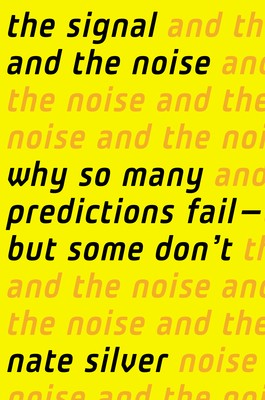
Nate Silver
Silver explores why people struggle to separate meaningful patterns from random variation in forecasting, a theme central to Noise's analysis of inconsistent judgements.
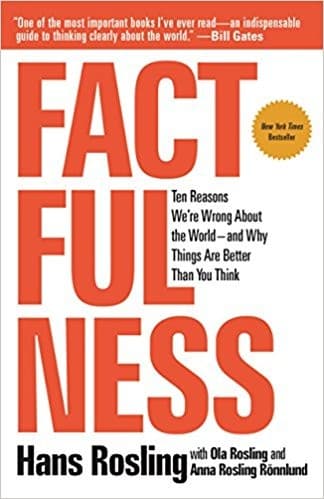
Hans Rosling, Ola Rosling
It challenges the instincts that distort our view of the world, encouraging the habit of questioning first impressions that Noise recommends for better judgement.
We earn a commission if you buy through these links. Learn more