
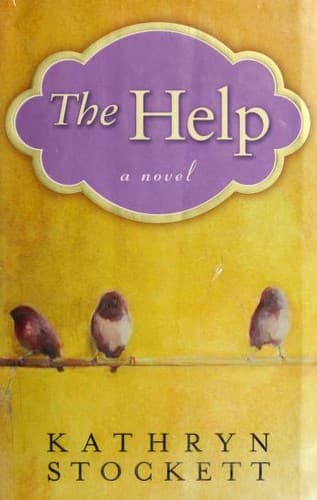
The Help
Kathryn Stockett, Álvaro Abella Villar
Set in 1960s Mississippi, it explores racial divides through intertwined voices of Black maids and a young white woman, echoing Mockingbird's look at everyday prejudice in genteel Southern society.
Reader-supported: when you buy through links on our site, we may earn an affiliate commission. Learn more
12 books to read next
If you loved To Kill a Mockingbird by Harper Lee
Readers return to To Kill a Mockingbird for Scout Finch's voice: a sharp, funny child narrating small-town Alabama life while slowly grasping the racism and hypocrisy around her. They love Atticus as a model of quiet moral courage, the courtroom drama at the book's centre, and the warm, unhurried texture of neighbours, summers and childhood mysteries. It balances nostalgia with a hard look at injustice, and asks what it means to do right when your whole community disagrees.
Kathryn Stockett, Álvaro Abella Villar
Set in 1960s Mississippi, it explores racial divides through intertwined voices of Black maids and a young white woman, echoing Mockingbird's look at everyday prejudice in genteel Southern society.
Ernest J. Gaines
A young Black man is wrongly condemned in 1940s Louisiana, and a teacher is asked to restore his dignity. It treats the same courtroom injustice from inside the Black community Mockingbird only glimpses.
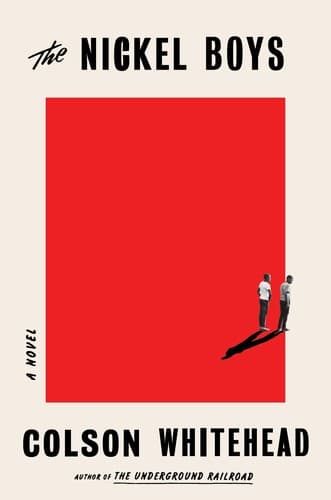
Colson Whitehead, JD Jackson
A principled Black teenager in Jim Crow Florida is sent to a brutal reform school. Like Mockingbird, it tests idealism against a system rigged against the innocent, in spare, devastating prose.
Sue Monk Kidd
Fourteen-year-old Lily runs away in 1964 South Carolina and finds refuge with three Black beekeeping sisters. Her voice and civil-rights-era backdrop will feel familiar to Scout's admirers.
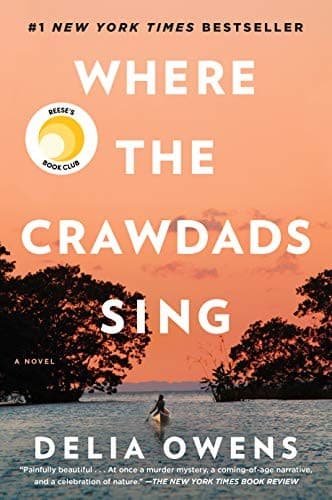
Delia Owens
A girl raised alone in the North Carolina marshes is shunned by her town, and a trial follows. Fans of Boo Radley's outsider story and Mockingbird's courtroom will find both here.
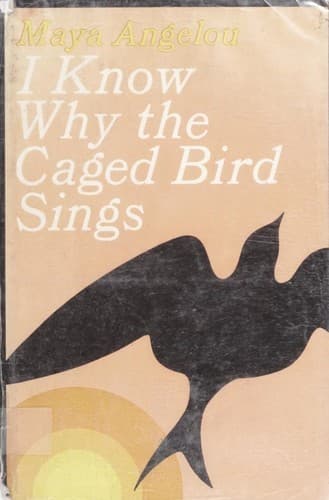
Maya Angelou
Angelou's memoir of childhood in segregated Stamps, Arkansas, is the real-life counterpart to Scout's Maycomb, seen through the eyes of a bright, observant Black girl.
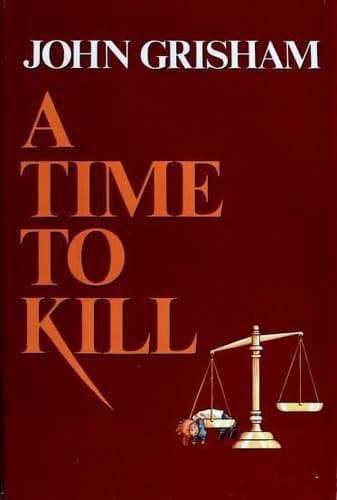
John Grisham
A young Mississippi lawyer defends a Black father in a racially charged trial. Grisham openly channels Atticus Finch, adding modern legal suspense to the same dilemma of conscience versus community.
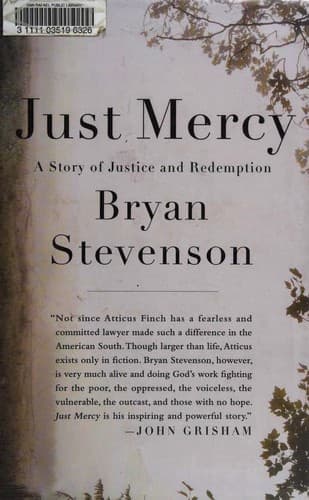
Bryan Stevenson
Stevenson's true account of defending a wrongly convicted Black man on Alabama's death row, in the very county that inspired Maycomb, shows Atticus's fight is far from fiction.
David Guterson
A Japanese American fisherman stands trial in post-war Washington State amid lingering wartime prejudice. Its slow-building courtroom drama and small-town tensions mirror Mockingbird's structure.
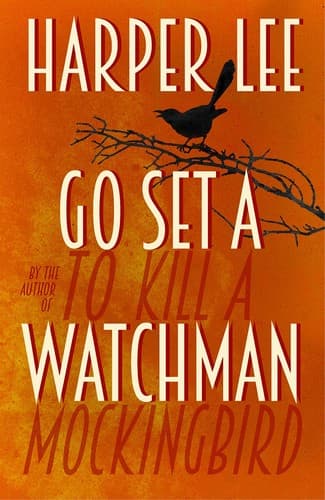
Harper Lee
Lee's earlier-written novel shows an adult Scout returning to Maycomb. It complicates the picture of Atticus and is fascinating reading for anyone wanting more of Lee's world and themes.
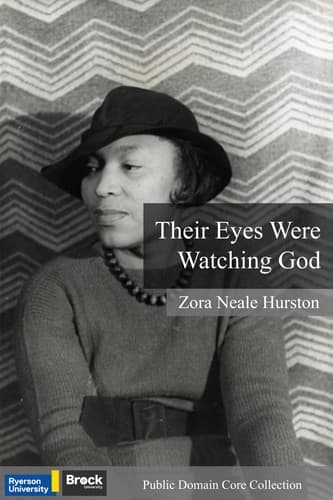
Zora Neale Hurston
A classic of Southern Black life, following Janie's search for independence in Florida. It gives voice and inner life to characters the white-narrated Mockingbird keeps at a distance.
Ralph Ellison
Ellison's landmark novel traces a young Black man's journey from the South to Harlem, confronting the racism Mockingbird depicts with sweeping ambition and bold, inventive storytelling.
We earn a commission if you buy through these links. Learn more