
Braiding Sweetgrass
Robin Wall Kimmerer
Like Crawdads, it finds wisdom in the natural world, with close observation of plants, wetlands and seasons. Its gentle, reflective voice suits readers drawn to Kya's patient attention to the marsh.
Reader-supported: when you buy through links on our site, we may earn an affiliate commission. Learn more
We earn a commission if you buy through these links. Learn more
Find Similar Booksby Delia Owens
Guide by the Books of the Day editors · Updated · How we write our guides
A lush, nature-soaked page-turner that pairs a coming-of-age story about a girl raised alone in the North Carolina marsh with a murder mystery that keeps you guessing.
2 creators reviewed Where the Crawdads Sing on YouTube between 2019 and 2022, with 363K views between them. Their opinions are their own; we picked these reviews, we didn't write them.
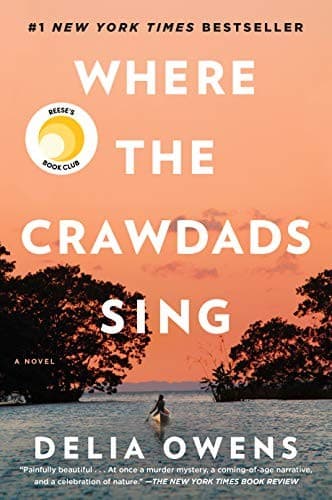
Where the Crawdads Sing is a 2018 novel by Delia Owens, her first work of fiction after a career in nonfiction about African wildlife. The story runs on two tracks. One follows Kya Clark, a child left behind in a shack on the edge of a North Carolina salt marsh as her family drifts away, who grows up largely on her own, learning the birds, tides, and creatures around her. The other opens in 1969, when a young man from the town of Barkley Cove is found dead, and the local investigation turns toward her.
The approach is patient and immersive. Owens's background in wildlife research shows in the close attention to marsh ecology, weather, and the rhythms of a place most readers will never visit. Chapters move between Kya's past and the trial-era present, so you hold two timelines at once and wait for them to meet. The voice is plain and often lyrical, and the pace is deliberate, with long stretches of solitude before the plot tightens.
Reading it feels like sitting with a patient narrator: cozy in places, unsettling in others, and more concerned with atmosphere and character than with fair-play puzzle solving. Expect a book that asks you to care about a lonely girl first and the whodunit second.
Kya's isolation is not only a tragedy. Being left to fend for herself gives her a fierce independence and a deep understanding of the natural world, and the novel keeps asking what a childhood without protection costs and what it can teach. Readers who want a character shaped by hardship rather than rescued from it will find much to chew on.
The landscape is more than a backdrop. Owens describes tides, birds, and insects with the precision of someone who has studied them, and Kya's knowledge of this place becomes her survival skill and her source of comfort. Much of the book's emotional texture comes from these close observations of an ecosystem most readers have never seen.
Kya is branded the "Marsh Girl" by the people of Barkley Cove, and their judgments shape how the investigation proceeds. The novel is pointed about how reputation, poverty, and social standing influence who is trusted and who is suspected, and this theme drives much of the courtroom tension.
The alternating structure is the engine of the book. Each shift between Kya's youth and the later investigation adds context, raises questions, and delays answers, so the suspense comes as much from how the story is arranged as from the crime itself. It rewards readers who enjoy piecing things together over time.
Critics have pointed to uneven prose, with lyrical passages sitting alongside flat or stilted dialogue, and to a romance subplot that many readers found contrived. Some plot turns depend on convenient coincidence, and the courtroom sections are less developed than the marsh scenes. The Black secondary characters who help Kya are often seen as supporting figures in a story centered on a white protagonist. Readers who want fast pacing or a tightly plotted thriller may find the book slow, though its atmosphere is a large part of its appeal.
Book details and cover from Google Books.
Ready to read Where the Crawdads Sing?
Get your copy on Amazon, or listen to it on Audible. We earn a commission if you buy through these links.
Robin Wall Kimmerer
Like Crawdads, it finds wisdom in the natural world, with close observation of plants, wetlands and seasons. Its gentle, reflective voice suits readers drawn to Kya's patient attention to the marsh.
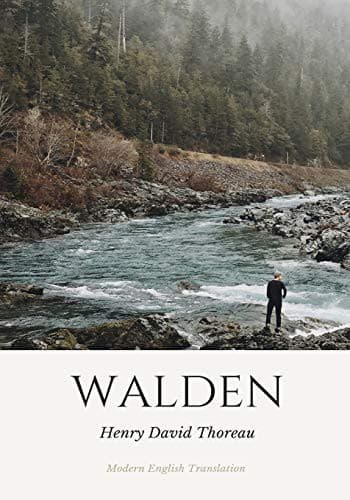
Henry David Thoreau
A classic account of living alone close to nature, watching the seasons change around a small pond. Readers who loved Kya's solitary life among the marshes will recognise the same longing for simplicity.
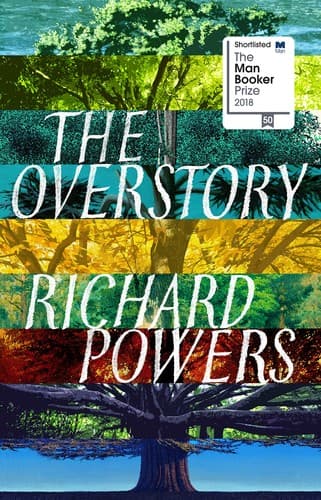
Richard Powers, Richard Powers
A sweeping, lyrical novel about trees and the people drawn to them. Its deep attention to the natural world and its quiet, humane characters echoes the environmental heart of Crawdads.
Harper Lee
A young narrator observes a small Southern town's prejudice and a shocking trial. Like Kya, the story turns on how a community judges an outsider it has already decided about.