
We earn a commission if you buy through these links. Learn more
The Help
by Kathryn Stockett, Álvaro Abella Villar
On screen: The Help (film, 2011)
Guide by the Books of the Day editors · Updated · How we write our guides
Told through three women's voices in 1960s Mississippi, this warm, funny, angry novel shows how a secret book about white families' maids could expose a community's silences.
What It's About
The Help is set in Jackson, Mississippi, in 1962 and 1963, when the civil rights movement is reaching the South but much of the white establishment is still resisting it. The story alternates among three narrators. Aibileen and Minny are Black women who work as maids for white families. Eugenia "Skeeter" Phelan is a white young woman who has just come home from college and wants to be a writer. Skeeter recognizes that the women who raised her have a story no one in her social circle is willing to hear, and she proposes a book of interviews with them about what it is like to work in white homes.
The book's structure is its main pleasure. Each chapter is told in the first person by one of the narrators, so you hear Aibileen's measured, observant voice next to Minny's quick, sharp humor and Skeeter's more hesitant, outsider's view. The dialect is heavy in the Black narrators' chapters, which gives them immediacy but also shapes how easily you read them. The tone moves between comedy and dread, and the plot is built to keep you turning pages, with its social set pieces, small-town gossip, and growing sense that discovery could be dangerous for everyone involved.
Reading it feels like sitting in on a long conversation between women who trust each other only partly. It is emotionally direct and often moving, and it lingers on the costs of silence and the everyday cruelties of segregation more than on historical detail. Expect a page-turner rather than a dense history.
Read this if you…
- want a character-driven novel about the civil rights era that focuses on everyday life rather than famous events
- enjoy multiple first-person narrators who speak in distinct voices
- like emotionally warm books with plenty of humor alongside real anger and sadness
Skip it if you…
- want a nuanced, dense account of Jim Crow history or the movement's leaders
- find heavy phonetic dialect tiring to read for long stretches
Key Ideas
- 1
Silence as a survival strategy
Much of the novel asks what it costs to stay quiet when speaking up could mean losing a job, a home, or a life. The maids have learned to keep their real opinions hidden from the families they serve, and the book shows how that habit protects them while also isolating them from one another. Stockett treats silence not as passivity but as a skill, sometimes a necessary one, that carries its own damage.
- 2
Intimacy and inequality in the employer bond
The women raise white children, cook, clean, and know their employers' private lives, yet they are never treated as equals. The book examines this closeness that is also a hierarchy, where affection and cruelty can sit side by side in the same household. It is one of the novel's most uncomfortable and perceptive threads.
- 3
Small acts of defiance
Resistance here rarely looks like a march. It shows up as a private refusal, a risky confession, or a quietly chosen word. The novel is attentive to how ordinary people push back within narrow limits, and it makes these moments feel earned rather than heroic in a grand, abstract way.
- 4
Storytelling as testimony
Skeeter's project raises a question the novel keeps returning to: who gets to tell a story, and who is listening? The idea of writing down the truth of these women's lives gives the book its structure and its moral stakes. The novel is also self-aware about the risks of a white writer shaping Black voices, which adds a layer of tension to the premise.
Limitations
Many readers and critics have argued that the novel centers a white protagonist and frames its Black characters' liberation partly through her efforts, a familiar 'white savior' pattern. The Black narrators' speech is rendered in heavy dialect, which some find stereotyping and others find vivid. The white antagonists are often broad caricatures, and the resolution is tidier than the historical situation was. The book also does little with the wider politics of the movement beyond its local setting.
Questions Readers Ask
- Is The Help still worth reading today?
- Yes, especially if you want an accessible entry point into the domestic side of Jim Crow life. Its portrait of everyday segregation and the risks of speaking openly remains affecting. Read it alongside more recent, more critical work by Black writers to get a fuller picture, since the novel's perspective is shaped by its author's position.
- How does the novel compare to the 2011 film?
- The film follows the book's core story and three-narrator structure but simplifies some characters and softens several of the book's harsher edges. The novel gives the maids' interior lives more room and is generally darker and more textured. Readers who loved the film will find extra depth in the book, and the book's voices carry much of its power.
- Published
- 2009
- ISBN
- 9788492695102
- Difficulty
- beginner
- Category
- Fiction
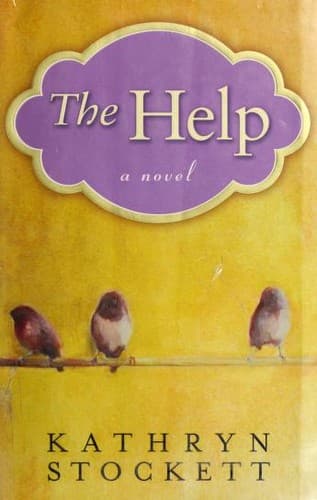
Book details and cover from Google Books.
Ready to read The Help?
Get your copy on Amazon, or listen to it on Audible. We earn a commission if you buy through these links.