
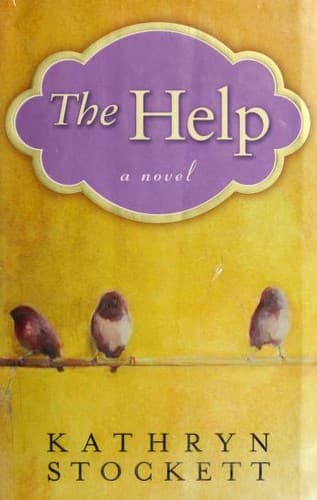
The Help
Kathryn Stockett, Álvaro Abella Villar
Set in 1960s Mississippi, it explores racial divides through intertwined voices of Black maids and a young white woman, echoing Mockingbird's look at everyday prejudice in genteel Southern society.
Reader-supported: when you buy through links on our site, we may earn an affiliate commission. Learn more
We earn a commission if you buy through these links. Learn more
Find Similar Booksby Harper Lee
A child's-eye view of a Southern town's prejudice and one lawyer's stubborn decency, this classic shows what moral courage looks like up close and why it still unsettles readers.
Set in Maycomb, Alabama, during the Depression, the novel is narrated by Scout Finch, who looks back on her childhood with her brother Jem and their summertime friend Dill. Their widowed father, Atticus, is a lawyer who agrees to defend Tom Robinson, a Black man accused of a serious crime against a white woman, and the town's reaction shapes nearly everything the children witness. The story is less a courtroom thriller than a portrait of a community and the small rituals, rumors, and loyalties that keep its order in place.
What makes the book distinctive is its voice. Lee writes in a warm, funny, conversational style that moves between a child's sharp but limited perception and an adult narrator's understanding. The injustice lands without speeches, because the reader sees what the children cannot yet explain. Much of the novel is about watching: neighborhood games, whispered stories about the reclusive Radley house, and the trial seen from the segregated gallery.
Reading it feels like sitting on a porch while someone you trust recounts what happened and what it meant. It is tender and uncomfortable in equal measure, moving between the comedy of small-town life and scenes that are hard to sit through. It is short and quick to read, but its questions stay with you.
Atticus's decision to defend an unpopular client is not heroic in the way action stories define heroism. He takes the case knowing it will cost him socially and is unlikely to be won. Lee presents courage as steadiness and integrity practiced without expecting applause, which is a more demanding and more realistic standard than the one many readers bring to the book.
Because Scout does not yet know which rules are meant to be obeyed, adult prejudice often looks arbitrary and absurd through her eyes. The reader supplies the moral judgment that she cannot yet make, so the gap between what the children see and what the adults accept becomes the source of the novel's power.
The town's racism is not carried only by obvious villains. It lives in ordinary people, in habits of class and race passed from parents to children, and in a community's willingness to excuse its own cruelty. Lee shows how a society polices itself through silence, gossip, and reputation as much as through open violence.
Atticus repeatedly urges his children to consider situations from other people's positions before judging them. The novel asks whether that idea can survive contact with a community that rewards the opposite. Readers should watch how each character responds when empathy becomes inconvenient, since that is where the book's argument is made.
Scout narrates as an adult, so the book holds two perspectives at once: the wonder and confusion of a child and the understanding of someone who knows how the events turned out. This double vision gives the story its emotional texture and makes its moral lessons feel earned rather than preached.
Critics have long argued that the novel is a white-savior story: Atticus is an idealized figure whose decency sits at the center, while Tom Robinson, Calpurnia, and other Black characters remain seen from outside, with limited interiority. The dialogue uses the racial slurs of its setting, which some schools have debated teaching. The book's gentle, humorous tone can also soften how brutal the injustice is. Lee's later novel Go Set a Watchman, published in 2015, portrayed Atticus with far more ambivalence about segregation, and readers coming to this book with that in mind may find it a different experience.
Reviews from readers on YouTube. Their opinions are their own.
Book details and cover from Google Books.
Ready to read To Kill a Mockingbird?
Get your copy on Amazon, or listen to it on Audible. We earn a commission if you buy through these links.
Kathryn Stockett, Álvaro Abella Villar
Set in 1960s Mississippi, it explores racial divides through intertwined voices of Black maids and a young white woman, echoing Mockingbird's look at everyday prejudice in genteel Southern society.
Ernest J. Gaines
A young Black man is wrongly condemned in 1940s Louisiana, and a teacher is asked to restore his dignity. It treats the same courtroom injustice from inside the Black community Mockingbird only glimpses.
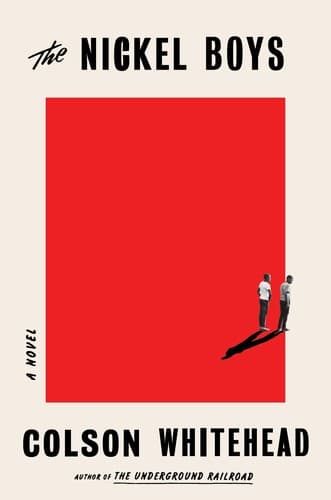
Colson Whitehead, JD Jackson
A principled Black teenager in Jim Crow Florida is sent to a brutal reform school. Like Mockingbird, it tests idealism against a system rigged against the innocent, in spare, devastating prose.
Sue Monk Kidd
Fourteen-year-old Lily runs away in 1964 South Carolina and finds refuge with three Black beekeeping sisters. Her voice and civil-rights-era backdrop will feel familiar to Scout's admirers.