Elaine N. Aron
If Quiet's chapters on high-reactive children and temperament struck a chord, Aron's classic explores sensory sensitivity in depth, with self-tests and practical coping advice for people easily overwhelmed by stimulation.
Reader-supported: when you buy through links on our site, we may earn an affiliate commission. Learn more
11 books to read next
If you loved Quiet by Susan Cain
Readers love Quiet for the relief of recognition: it explains why some people prefer listening to talking, solitude to crowds, and deep focus to group brainstorming, and treats those traits as strengths rather than flaws. Susan Cain blends psychology research, cultural history of the Extrovert Ideal, and warm profiles of real introverts at work, school and home. The tone is reassuring but evidence-based, and the book offers practical ideas for living and working in a world built for extroverts.

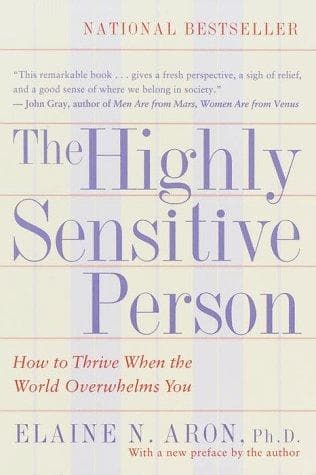
Elaine N. Aron
If Quiet's chapters on high-reactive children and temperament struck a chord, Aron's classic explores sensory sensitivity in depth, with self-tests and practical coping advice for people easily overwhelmed by stimulation.
Marti Olsen Laney
A psychotherapist's practical guide to introvert energy, brain chemistry and relationships. It covers similar ground to Quiet but leans more toward everyday strategies for work, parenting and socialising.

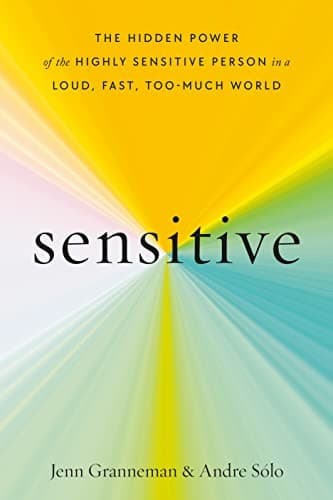
Jenn Granneman, Andre Sólo
Co-written with Andre Sólo, this recent book reframes sensitivity as a strength much as Cain reframed introversion, mixing research and personal stories for readers who feel too much in a loud world.
Cal Newport
Quiet argued that solitude fuels creativity and that open offices undermine it. Newport turns that insight into a concrete system for protecting concentrated, distraction-free work.

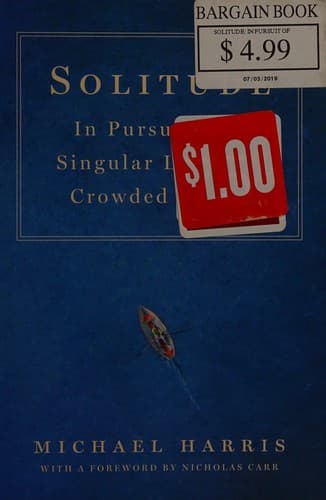
Michael Harris
A thoughtful, reflective look at why time alone matters in a hyperconnected age, ideal for readers who loved Cain's defence of quiet reflection against constant social demands.

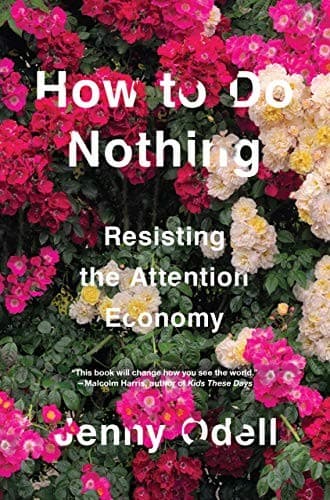
Jenny Odell
Like Quiet, it pushes back against a culture that prizes visibility and constant output, offering an artist's case for attention, stillness and withdrawing from the attention economy.

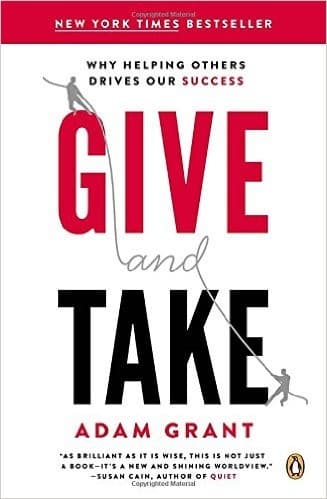
Adam Grant
Grant, whose research appears in Quiet, shows how understated, generous people often succeed. Readers who liked Cain's quiet salesman and leaders will enjoy the similar mix of studies and stories.

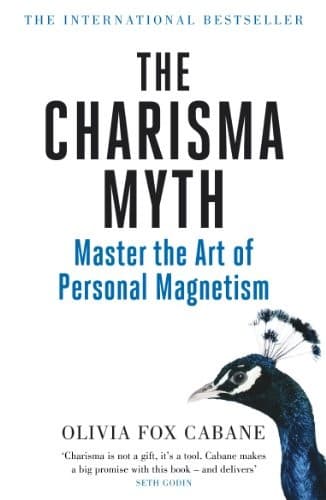
Olivia Fox Cabane, Olivia Cabane
Challenges the idea that charisma is an extrovert's birthright, offering learnable techniques for presence and warmth that suit readers Quiet taught to distrust the Extrovert Ideal.

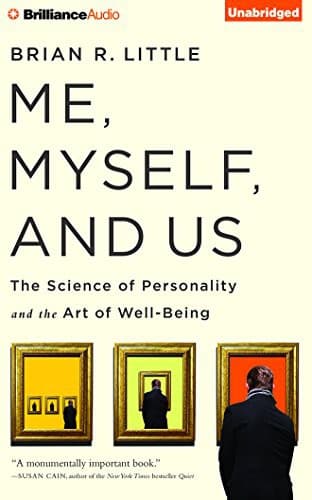
Brian R. Little Ph.D.
The personality psychologist Cain profiles in Quiet explains his research on traits and 'free traits', showing how introverts can act out of character for things they care about.

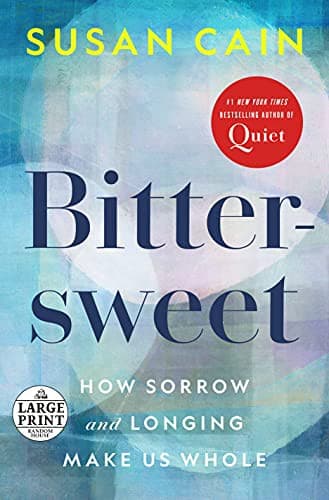
Susan Cain
Cain's follow-up applies the same research-plus-stories approach to melancholy and longing, again defending a temperament that modern culture tends to dismiss.

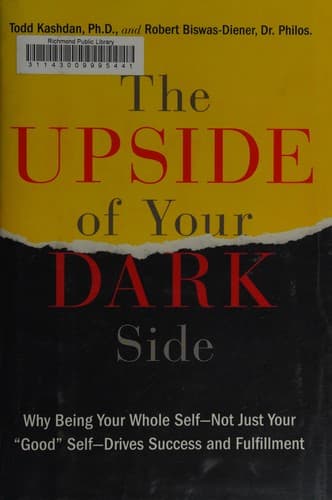
Todd B. Kashdan
Written with Robert Biswas-Diener, it argues that traits and emotions we treat as negative have real value, echoing Quiet's challenge to cultural assumptions about the ideal personality.
We earn a commission if you buy through these links. Learn more