Reader-supported: when you buy through links on our site, we may earn an affiliate commission. Learn more

Cover of Quiet
Buy on AmazonListen on Audible

We earn a commission if you buy through these links. Learn more

Find Similar Books

Quiet

by Susan Cain

Psychology
★★★★★5.0 (4)

Susan Cain makes a persuasive case that we undervalue introverts, tracing how the culture came to prize charisma and showing what quieter people contribute.

What It's About

Quiet, published in 2012, is Susan Cain's argument that Western culture, especially American schools, workplaces, and public life, rewards outgoing, fast-talking, self-promoting people and quietly penalizes everyone else. Cain traces how the emphasis shifted in the early twentieth century from a culture of character, which valued integrity and depth, toward a culture of personality, which valued being magnetic and visible. Self-help bestsellers of that era make a useful case study, and she uses them to show how the ideal of the bold extrovert became the default picture of success.

The book blends three things: historical argument, a tour of temperament research, and profiles of people who work effectively in quieter ways. Cain draws on the work of psychologists such as Jerome Kagan and separates introversion from shyness, which is a useful distinction. She also spends real time on group brainstorming and open-plan offices, arguing that they can suppress the independent thinking that produces good ideas. Reading it feels more like a long, carefully argued essay than a manual, and her tone is warm and persuasive rather than combative.

It works best as a reframing book. You will come away with a stronger case for taking introversion seriously and a clearer sense of how the bias plays out in offices, classrooms, and families. Expect fewer step-by-step tactics than a typical self-help title, though the later sections do offer practical thoughts on working with and raising quieter people.

Read this if you…

  • want to understand why loud meetings and constant socializing leave you drained or unheard
  • work in a field where good ideas come from solitary thinking, such as writing, research, design, or engineering
  • manage, teach, or parent someone quieter and want a more accurate picture of what they need

Skip it if you…

  • want a quick, tactical guide to networking, small talk, or public speaking
  • are looking for up-to-date neuroscience, since much of the research is older and some findings have been revisited

Key Ideas

  1. 1

    The Extrovert Ideal as a cultural default

    Cain argues that many institutions treat talkativeness, confidence, and visibility as signs of competence and leadership. Because these traits are so widely admired, quieter people often feel they must act differently to be taken seriously, even when their work is strong. The book makes this bias feel visible and specific rather than abstract.

  2. 2

    From character to personality in American life

    A central thread is the historical shift from valuing inner qualities like integrity and depth to valuing how one comes across to others. Cain uses early twentieth-century advice literature to show how the ideal of being magnetic took hold. This history gives the argument its sense of a cultural choice that could have gone another way.

  3. 3

    Introversion is a temperament, not shyness

    Cain separates introversion, a preference for lower stimulation and deeper focus, from shyness, which is anxiety about social judgment. This distinction shapes much of the book. Readers who have been lumped in with shy people may find it clarifying, though the line between the two is not always sharp in real life.

  4. 4

    Why groups can dampen good ideas

    Cain takes a critical look at brainstorming and teamwork-heavy workplaces, arguing that group settings often favor the most vocal participants. She suggests that solitary thinking and written input can produce better results. Some of the specific studies she cites are debated, so treat this as a strong argument rather than settled fact.

  5. 5

    Working with quieter people thoughtfully

    The later parts of the book turn toward practical questions about leadership, teaching, and parenting. Cain suggests ways for extroverts to create room for quieter colleagues and children to contribute. These sections are shorter than the historical material but give the argument a practical edge.

Limitations

Critics have argued that Cain relies on a contrast between introverts and extroverts that is tidier than real people are, since most people sit somewhere in between. Some readers feel the cultural history is more developed than the practical advice. The book is written mainly from an American perspective, and although Cain discusses cultural differences, the framing can feel narrow. Parts of the science have been questioned or refined since 2012, so specific studies deserve a second look.

Questions Readers Ask

Is Quiet still relevant today?
Yes. Its core questions about open-plan offices, group brainstorming, and charisma bias still resonate with many readers. The research base has been debated, and some findings have been complicated by later work, so it is best read as a strong argument rather than settled science.
How does Quiet compare to The Introvert Advantage?
Marti Olsen Laney's The Introvert Advantage is more practical, focusing on self-management, energy, and relationships. Cain's book is more of a cultural history and argument about why introverts are undervalued. If you want daily strategies, Laney may suit you better; if you want the bigger picture, Cain is the stronger choice.
Is Quiet only for introverts?
No. Extroverts who manage, teach, or live with quieter people often get the most practical value from it. The book helps explain why some people need time to think before speaking and why forcing constant group participation can backfire.

What Creators Say About Quiet

Reviews from readers on YouTube. Their opinions are their own.

Review | Quiet by Susan CainEmily Cait (CreativeAndOriginalTitle) on YouTube
Quiet- The Power of Introverts - by Susan Cain (Book Summary)Dark Paint on YouTube
Published
2013
ISBN
9780307352156
Difficulty
intermediate
Category
Psychology

Book details and cover from Google Books.

Ready to read Quiet?

Get your copy on Amazon, or listen to it on Audible. We earn a commission if you buy through these links.

Books Like Quiet

View all →
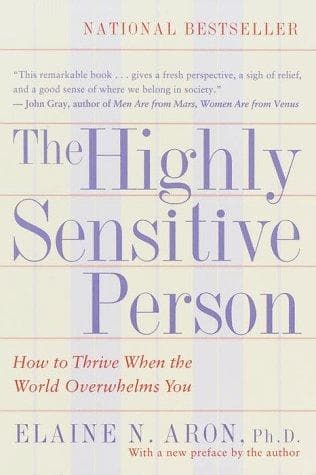
Cover of The highly sensitive person

The highly sensitive person

Elaine N. Aron

If Quiet's chapters on high-reactive children and temperament struck a chord, Aron's classic explores sensory sensitivity in depth, with self-tests and practical coping advice for people easily overwhelmed by stimulation.

Cover of The Introvert Advantage

The Introvert Advantage

Marti Olsen Laney

A psychotherapist's practical guide to introvert energy, brain chemistry and relationships. It covers similar ground to Quiet but leans more toward everyday strategies for work, parenting and socialising.

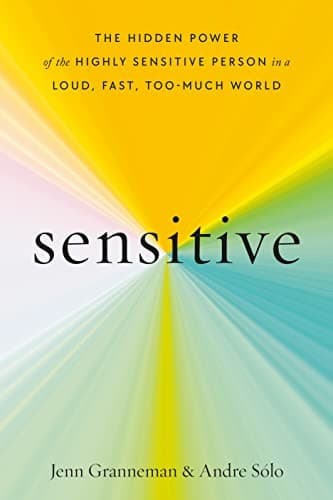
Cover of Sensitive

Sensitive

Jenn Granneman, Andre Sólo

Co-written with Andre Sólo, this recent book reframes sensitivity as a strength much as Cain reframed introversion, mixing research and personal stories for readers who feel too much in a loud world.

Cover of Deep Work

Deep Work

Cal Newport

Quiet argued that solitude fuels creativity and that open offices undermine it. Newport turns that insight into a concrete system for protecting concentrated, distraction-free work.

Explore More