
Mindset
Carol S. Dweck
Like Grit, it draws on decades of psychology research to show how beliefs about effort shape results. Dweck's growth mindset idea echoes Duckworth's argument that persistence, not innate gifts, drives long-term achievement.
Reader-supported: when you buy through links on our site, we may earn an affiliate commission. Learn more
We earn a commission if you buy through these links. Learn more
Find Similar BooksGuide by the Books of the Day editors · Updated · How we write our guides
Duckworth's accessible case that sustained passion and perseverance often matter more than talent, backed by fieldwork with teachers, cadets, and spelling bee finalists.
2 creators reviewed Grit on YouTube between 2013 and 2016, with 19.6M views between them. Their opinions are their own; we picked these reviews, we didn't write them.
Grit is a popular nonfiction book by psychologist Angela Duckworth, who spent years studying why some people stick with long-term goals while equally capable peers drop away. She argues that the strongest predictor of achievement is not raw talent or IQ but a combination of sustained passion for a goal and perseverance through setbacks, which she calls grit.
The book is part memoir and part research report. Duckworth recounts her own path from teaching through management consulting to graduate study, then describes fieldwork: teachers in tough schools, cadets enduring the early weeks of West Point's demanding training, and national spelling bee contestants. She adds interviews with high achievers across several fields. The tone is conversational and anecdotal, with research explained in plain language and sensible caveats rather than dense statistics.
Reading it feels like sitting with a thoughtful researcher who is willing to admit uncertainty about her own conclusions. It is encouraging without being glib, and the practical sections on developing interests and building habits give it a useful edge. Expect more stories than hard data, and expect to finish thinking about your own commitments more than about the science itself.
Duckworth defines grit as passion sustained over years, not intensity in a single burst. Interest without staying power fades, and persistence without a direction can become mere stubbornness. The book's central claim is that the combination, aimed at a meaningful long-term goal, separates people who finish hard things from those who start them.
She offers a simple model in which talent shapes how quickly you learn, but effort determines how much skill you build, and skill combined with further effort produces achievement. The point is not that talent is irrelevant but that people who underestimate how much sustained work can accomplish often give up too early.
Duckworth describes passion as something that grows rather than something you either have or lack. Initial curiosity can deepen into practice, then a sense of purpose, and eventually hope that the effort is worthwhile. This framing gives readers a practical way to think about cultivating commitment instead of waiting to discover a calling.
The later chapters connect grit to mindset research, including the idea that people who see abilities as developable tend to persist longer. Duckworth also considers how parents, teachers, and organizations can encourage high standards, support, and the willingness to keep going after failure. These ideas are more suggestive than tested recipes.
Critics have questioned how well grit, usually measured with a short self-report questionnaire, separates from conscientiousness and other established traits. Some argue that predictive effects are modest and that the book's conclusions can be overstated. Its focus on individual determination also sits uneasily with structural explanations of unequal outcomes, and some readers feel it can be used to place blame on people facing poverty or discrimination. The book is also light on how grit develops across different life circumstances.
Book details and cover from Google Books.
Ready to read Grit?
Get your copy on Amazon, or listen to it on Audible. We earn a commission if you buy through these links.
Carol S. Dweck
Like Grit, it draws on decades of psychology research to show how beliefs about effort shape results. Dweck's growth mindset idea echoes Duckworth's argument that persistence, not innate gifts, drives long-term achievement.
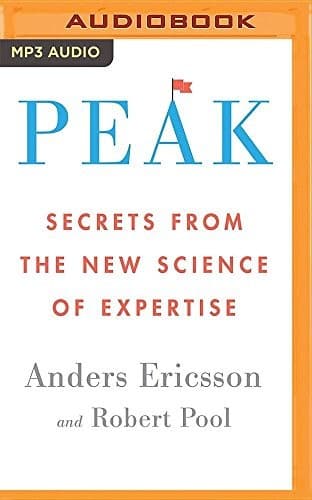
Anders Ericsson, Robert Pool
Ericsson's deliberate practice research is one of the sources Duckworth engages with in Grit. It explains how focused, effortful practice builds skill, giving readers a detailed account of the work behind high performance.
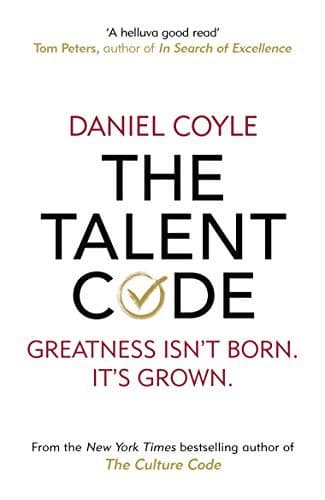
Daniel Coyle
Coyle visits talent hotbeds and shows how deep practice and motivation build skill, much as Duckworth visits schools and training programmes. Readers who liked her field-based approach will find the same curiosity here.

Cal Newport, Diego Pereda Sancho
Newport argues against the idea that you must follow your passion, and suggests building rare skills and commitment instead. This fits Grit's central claim that passion grows through sustained effort rather than arriving first.