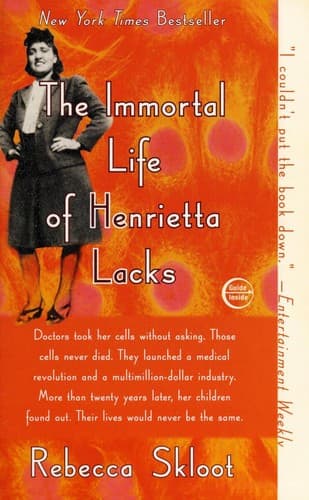
Rebecca Skloot
Like The Gene, it pairs medical history with a deeply personal family story, tracing how one woman's cells transformed biology and raising the same hard questions about consent, ethics and who science serves.
Reader-supported: when you buy through links on our site, we may earn an affiliate commission. Learn more
12 books to read next
If you loved The Gene by Siddhartha Mukherjee
Readers love The Gene for the way Mukherjee braids the history of genetics, from Mendel's peas to genome sequencing and gene editing, with the painful story of mental illness in his own family. It explains hard science in clear, often lyrical prose, brings the scientists to life as characters, and keeps returning to the ethical questions: what heredity means for identity, fate and choice, and what we should do now that we can read and rewrite DNA.

Rebecca Skloot
Like The Gene, it pairs medical history with a deeply personal family story, tracing how one woman's cells transformed biology and raising the same hard questions about consent, ethics and who science serves.

James D. Watson, Grover Gardner narrator
A candid first-hand account of the race to find DNA's structure, a key episode in The Gene, showing the rivalries and personalities Mukherjee sketches, told by one of the participants.

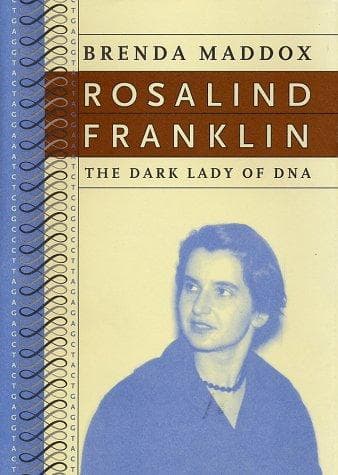
Brenda Maddox
A full biography of the scientist whose X-ray work was central to the double helix, filling in the human story behind a chapter readers of The Gene will remember.

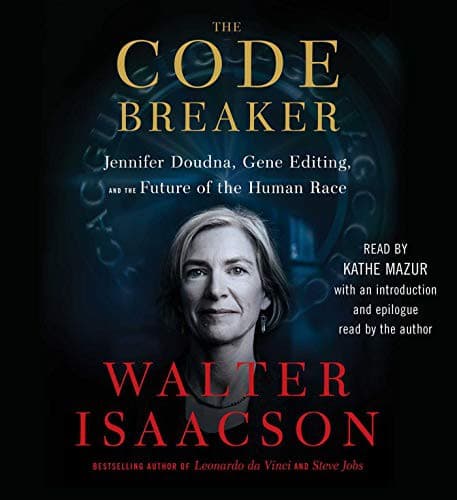
Walter Isaacson, Kathe Mazur
Picks up where The Gene's final sections leave off, following Jennifer Doudna and the discovery of CRISPR, with the same mix of lab drama, personalities and ethical stakes.

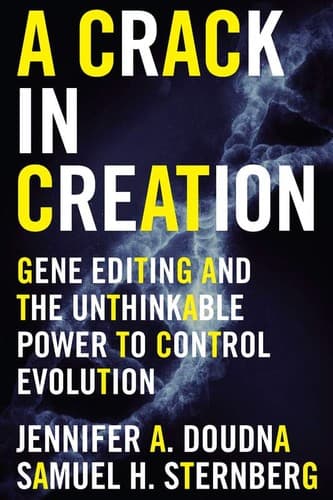
Jennifer A. Doudna, Samuel H. Sternberg
Co-written with Samuel Sternberg, CRISPR's co-inventor explains how gene editing works and wrestles openly with the moral questions about altering human heredity that Mukherjee raises.
Carl Zimmer
A sweeping, story-rich history of heredity that, like The Gene, mixes scientific history, family experience and sharp thinking about what we really inherit.

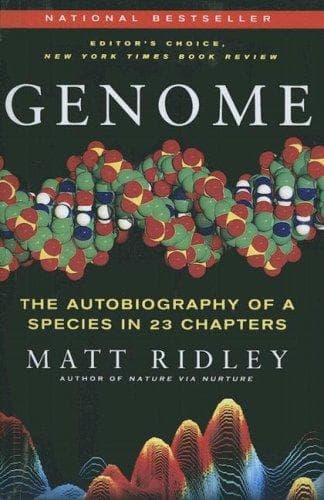
Matt Ridley
Takes one chromosome per chapter to explore what genes reveal about disease, behaviour and evolution, a lively companion to The Gene's ideas about heredity and identity.
Richard Dawkins
The classic gene's-eye view of evolution, which reframes heredity in a way that deepens the Darwinian threads running through Mukherjee's history.
Adam Rutherford
Uses ancient and modern DNA to tell the human story, with the same accessible voice and skepticism about genetic determinism that readers valued in The Gene.
Siddhartha Mukherjee
Mukherjee's Pulitzer-winning biography of cancer has the same blend of history, clinical stories and lyrical prose, and genes play a central role in its later chapters.

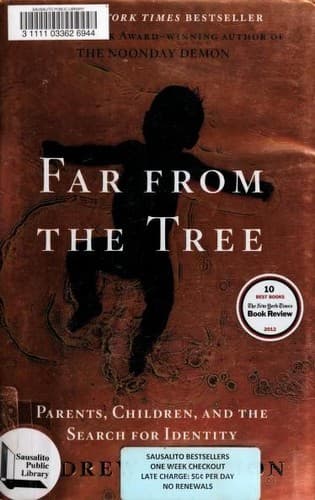
Andrew Solomon, Andrew Solomon
Explores families whose children differ profoundly from their parents, taking up The Gene's questions about identity, inheritance and difference through intimate human stories.
Robert Kolker
The true story of a family in which six sons developed schizophrenia and the science it fuelled, echoing the family history of mental illness at the heart of The Gene.
We earn a commission if you buy through these links. Learn more