
Mindset
Carol S. Dweck
Like Grit, it draws on decades of psychology research to show how beliefs about effort shape results. Dweck's growth mindset idea echoes Duckworth's argument that persistence, not innate gifts, drives long-term achievement.
Reader-supported: when you buy through links on our site, we may earn an affiliate commission. Learn more
12 books to read next
If you loved Grit by Angela Duckworth
Readers who love Grit usually come for its blend of research and storytelling. Angela Duckworth tests a simple idea, that passion and long-term perseverance matter more than raw talent, and follows it into classrooms, military training and spelling bees. The tone is warm and personal, the pace brisk, and the advice practical. Many readers finish wanting a clear way to keep going when progress is slow, backed by evidence that these habits can be built.
Carol S. Dweck
Like Grit, it draws on decades of psychology research to show how beliefs about effort shape results. Dweck's growth mindset idea echoes Duckworth's argument that persistence, not innate gifts, drives long-term achievement.
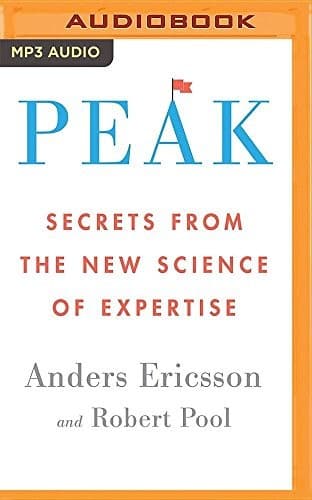
Anders Ericsson, Robert Pool
Ericsson's deliberate practice research is one of the sources Duckworth engages with in Grit. It explains how focused, effortful practice builds skill, giving readers a detailed account of the work behind high performance.
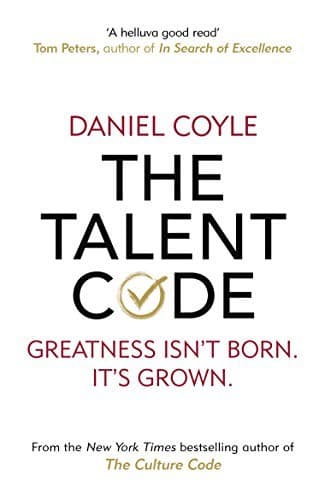
Daniel Coyle
Coyle visits talent hotbeds and shows how deep practice and motivation build skill, much as Duckworth visits schools and training programmes. Readers who liked her field-based approach will find the same curiosity here.
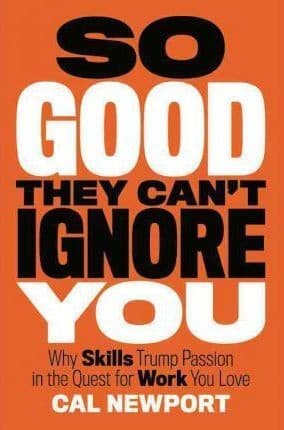
Cal Newport, Diego Pereda Sancho
Newport argues against the idea that you must follow your passion, and suggests building rare skills and commitment instead. This fits Grit's central claim that passion grows through sustained effort rather than arriving first.
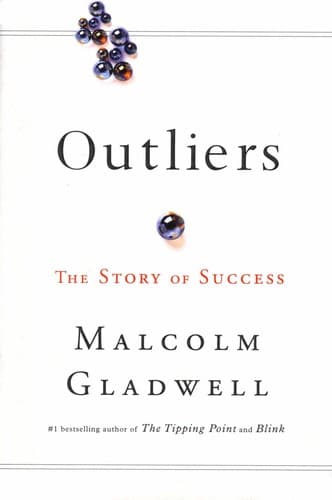
Malcolm Gladwell
Gladwell asks why some people achieve far more than others and looks beyond individual talent to circumstance and practice. Readers drawn to Duckworth's questions about success will enjoy his narrative approach.
Daniel H. Pink
Pink examines what truly motivates people, arguing for autonomy, mastery and purpose over rewards. It complements Grit's focus on the inner drives that keep someone committed to a long goal.
James Clear
Clear breaks big goals into small, repeatable actions and shows how to stick with them. Readers who valued Grit's practical lessons on follow-through will find a concrete, step-by-step system here.
Greg McKeown
McKeown urges readers to focus on fewer, better commitments, which connects to Grit's emphasis on choosing a few passions and sticking with them. The writing is brisk and the advice is easy to apply.
Charles Duhigg
Duhigg explains how habits form and how they can be changed, offering a clear framework for building the routines Duckworth associates with high achievement. Its accessible stories suit readers who like real-life examples.
Daniel Kahneman
Kahneman explores how the mind makes judgements and mistakes, a theme close to Grit's interest in what goes through your head when you struggle. It rewards readers who enjoy careful, research-driven thinking.
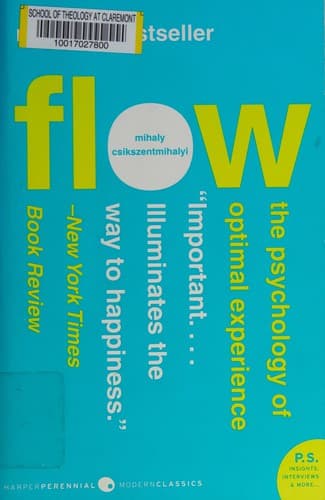
Mihaly Csikszentmihalyi
Csikszentmihalyi describes the absorbed state people reach when challenge and skill are in balance. For readers of Grit, it adds a lens on why passionate, sustained effort can feel rewarding in itself.
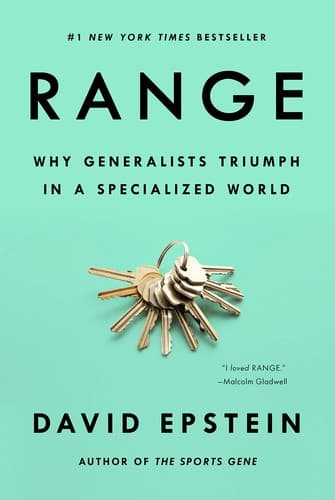
David J. Epstein
Epstein argues that broad experience and late specialisation often beat early, narrow focus, which offers a counterpoint to Grit's emphasis on sticking with one passion. It is well researched and engagingly written.
We earn a commission if you buy through these links. Learn more