
Deep Work
Cal Newport
Like Essentialism, it argues that focused, high-value work beats constant busyness. Newport gives concrete methods for protecting long stretches of concentration from the noise of everyday demands.
Reader-supported: when you buy through links on our site, we may earn an affiliate commission. Learn more
12 books to read next
If you loved Essentialism by Greg McKeown
Readers who pick up Essentialism usually feel stretched too thin and busy without being productive. They love its central idea that the answer is not doing more but choosing the few things that truly matter and cutting the rest. The book is practical and structured, with a clear discipline to follow, and its tone is calm and direct rather than hyped. It suits people who want a framework for saying no, protecting their time and deciding deliberately where their energy goes.
Cal Newport
Like Essentialism, it argues that focused, high-value work beats constant busyness. Newport gives concrete methods for protecting long stretches of concentration from the noise of everyday demands.
Gary Keller, Jay Papasan
It builds on the same core question of identifying the single most important priority and making everything else serve it. Its clear, step-by-step approach will appeal to readers who liked the book's disciplined selectivity.
James Clear
Clear shows how small, deliberate choices compound into real results. Readers who valued Essentialism's focus on investing effort where it counts will find a practical system for turning those choices into routines.
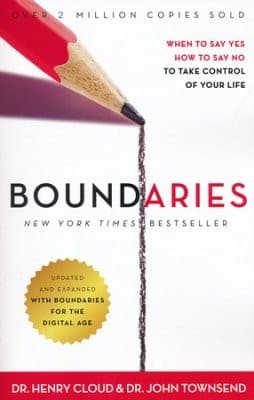
Henry Cloud, John Sims Townsend
Essentialism's emphasis on reclaiming control of your choices is central here. This book explores how to set limits on time and obligations, which is the everyday skill behind saying no to the non-essential.
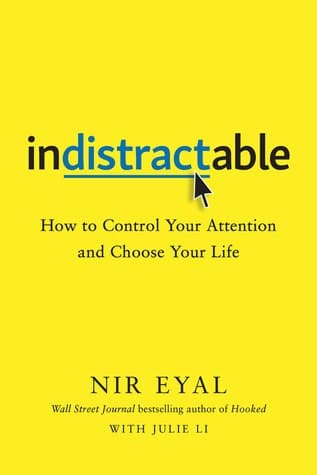
Nir Eyal
Eyal offers a practical toolkit for resisting the pulls that hijack your attention. Readers who want Essentialism's ideas applied to phones, notifications and distractions will find it a natural next step.
David Allen
Allen's system for capturing commitments and deciding what to act on pairs well with Essentialism's elimination process. It offers a concrete method for organising your work once you have chosen what to keep.
Spencer Johnson
This short parable is easy to finish in one sitting and tackles the same theme of adapting when routines no longer serve you. Readers who enjoyed Essentialism's plain, accessible style may appreciate its brevity.
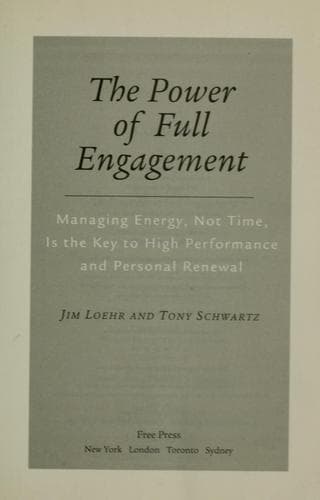
James E. Loehr
It treats energy as the limited resource that matters most, much as Essentialism treats time and attention. Its practical, guidance-driven approach will suit readers who want to spend their limited energy more wisely.
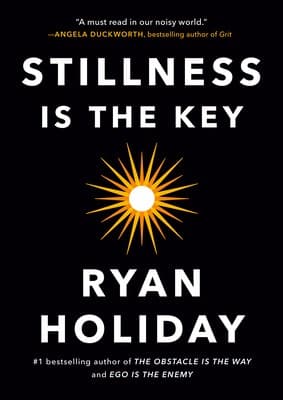
Ryan Holiday
Holiday draws on classical philosophy to argue for calm, focused living over frantic activity. Readers who liked Essentialism's call to cut the clutter will find a related message about clearing space for what counts.
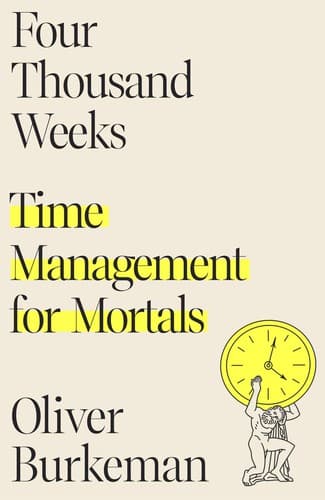
Oliver Burkeman
Burkeman takes the idea of limited time seriously and asks what it means to choose well within it. It extends Essentialism's question about what is worth doing into a more reflective, philosophical account of a finite life.
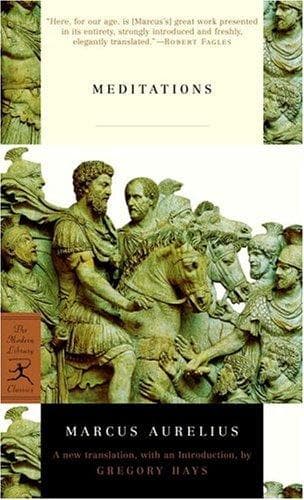
Marcus Aurelius
These ancient reflections return again and again to what is truly important and what to let go of. Readers who valued Essentialism's discipline of letting non-essentials fall away will find its roots in Stoic thought.

Henry David Thoreau
Thoreau's account of simplifying his life to focus on what he considered essential has a similar spirit. Readers who loved Essentialism's case for doing less but better may enjoy this classic reflection on living deliberately.
We earn a commission if you buy through these links. Learn more