
Deep Work
Cal Newport
Like Essentialism, it argues that focused, high-value work beats constant busyness. Newport gives concrete methods for protecting long stretches of concentration from the noise of everyday demands.
Reader-supported: when you buy through links on our site, we may earn an affiliate commission. Learn more
We earn a commission if you buy through these links. Learn more
Find Similar Booksby Greg McKeown
Guide by the Books of the Day editors · Updated · How we write our guides
A short, practical case for choosing fewer commitments and protecting them, useful for anyone who feels busy but unproductive and wants a sharper filter for saying yes.
2 creators reviewed Essentialism on YouTube between 2014 and 2022, with 814.8K views between them. Their opinions are their own; we picked these reviews, we didn't write them.
Essentialism is a short book about deciding what matters most and deliberately dropping the rest. Greg McKeown argues that many people's problem is not a shortage of time but a habit of agreeing to too much, so they stay busy without making meaningful progress. He frames the fix as a discipline rather than a productivity trick, built around selecting a small number of priorities and treating everything else as optional.
The style is conversational, punchy, and repetitive on purpose. McKeown leans on recurring slogans, familiar scenarios from work and home, and stories of people who simplified their commitments, more than on hard data or detailed methods. Some readers will find the rhythm motivating; others will find it thin once the core moves are clear.
Reading it feels more like a reset than a manual. You will probably finish with a sharper sense of what to decline, a few concrete habits for guarding your time, and a clearer way of noticing when you have slipped back into reflexive agreement. It is quick to read, and its value depends on whether you act on it afterward.
The book's central claim is that doing fewer things is only useful when the selection is intentional. Rather than trimming tasks at random or working longer hours, you decide which contributions truly matter and let the rest fall away. The emphasis is on quality of contribution, not on a lighter schedule for its own sake.
Every yes is paid for with time and attention taken from something else. McKeown pushes readers to see that a crowded calendar is usually the sum of many small agreements no one fully weighed. Making the trade-off visible is the first step toward choosing well, and it changes how you evaluate requests that seem harmless on their own.
The book organizes its method into three phases: widen the field of options, cut them down ruthlessly, and then make the remaining choices easy to carry out. The third phase matters as much as the first two, because a clear priority is worthless if daily obstacles keep crowding it out. Removing friction and building in buffers are part of the plan.
A recurring theme is the difference between saying I have to and saying I choose to. Much of what fills our time arrives as implicit permission given to others, often by default. Asking whether you would pick a commitment if you were starting from scratch is a simple test that the book returns to repeatedly, and it gives readers a language for turning down requests without an elaborate excuse.
McKeown treats sleep, play, and unscheduled margin as part of doing good work rather than rewards for finishing it. The argument is that a rushed, depleted mind makes poor selections and poor execution. Building slack into a schedule protects the few things you have chosen to prioritize, and it gives you room to respond when something unexpected arrives.
Critics often note that the book relies heavily on anecdotes and selected success stories rather than systematic evidence, so its claims are hard to test. It also places a lot of responsibility on individual choice, giving less attention to employers, budgets, and organizational politics that determine how much discretion most people actually have. The repetition and slogans can feel padded to readers who want more concrete method. Some practical suggestions, especially around workplace communication, may feel dated for a world of remote and asynchronous work.
Book details and cover from Google Books.
Ready to read Essentialism?
Get your copy on Amazon, or listen to it on Audible. We earn a commission if you buy through these links.
Cal Newport
Like Essentialism, it argues that focused, high-value work beats constant busyness. Newport gives concrete methods for protecting long stretches of concentration from the noise of everyday demands.
Gary Keller, Jay Papasan
It builds on the same core question of identifying the single most important priority and making everything else serve it. Its clear, step-by-step approach will appeal to readers who liked the book's disciplined selectivity.
James Clear
Clear shows how small, deliberate choices compound into real results. Readers who valued Essentialism's focus on investing effort where it counts will find a practical system for turning those choices into routines.
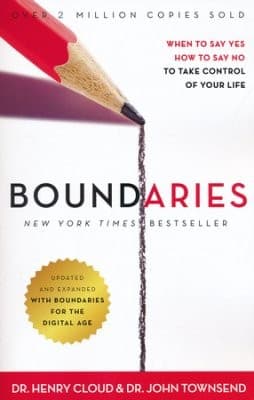
Henry Cloud, John Sims Townsend
Essentialism's emphasis on reclaiming control of your choices is central here. This book explores how to set limits on time and obligations, which is the everyday skill behind saying no to the non-essential.