
The Power of Habit
Charles Duhigg
Duhigg's cue-routine-reward habit loop is the foundation Atomic Habits builds on. If you liked Clear's research-backed stories, this offers a narrative-driven look at habits in individuals, companies and societies.
Reader-supported: when you buy through links on our site, we may earn an affiliate commission. Learn more
12 books to read next
If you loved Atomic Habits by James Clear
Readers love Atomic Habits for its practical, systems-first approach: instead of relying on motivation, it shows how small, repeatable changes compound over time. Clear breaks behaviour change into clear laws, like making cues obvious and rewards satisfying, and backs them with accessible psychology and memorable stories from athletes, artists and businesspeople. The short chapters, actionable takeaways and encouraging, no-blame tone make it easy to start applying ideas the same day, whether the goal is fitness, focus or quitting a bad habit.
Charles Duhigg
Duhigg's cue-routine-reward habit loop is the foundation Atomic Habits builds on. If you liked Clear's research-backed stories, this offers a narrative-driven look at habits in individuals, companies and societies.
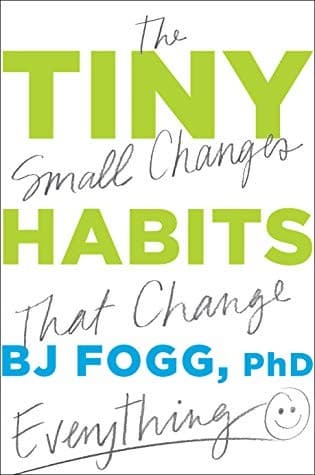
B. J. Fogg
Fogg's lab work at Stanford shaped much of modern habit thinking. Like Clear, he argues for starting absurdly small and anchoring new behaviours to existing routines, with step-by-step recipes to try.
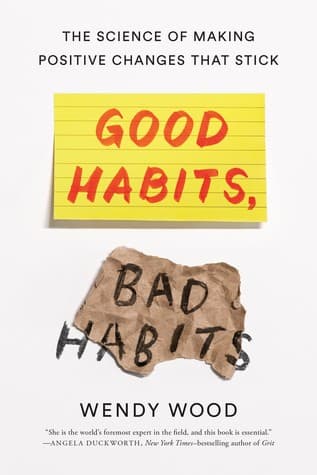
Wendy Wood
A psychologist's deep dive into why willpower fails and context wins. Readers who loved Clear's chapters on environment design will find the research behind those ideas explained in fuller detail.
Darren Hardy
Hardy's central idea, that small daily choices accumulate into dramatic outcomes, echoes Clear's one-percent-better philosophy. It's short, motivating and full of simple tracking exercises.
Jeff Olson
Olson argues that easy-to-do, easy-not-to-do actions decide success over time. If Clear's compounding graph clicked for you, this book expands on that mindset with plain, encouraging advice.
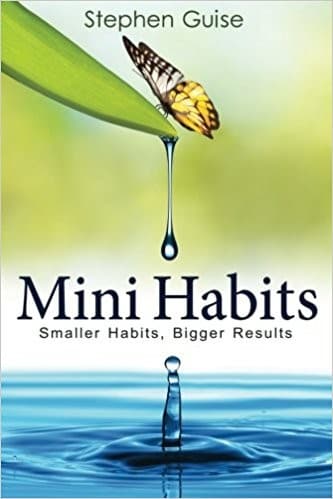
Stephen Guise
A brief, highly practical book about committing to tiny daily actions, like one push-up. It pairs perfectly with Clear's two-minute rule for readers who struggle to get started.
Cal Newport
Newport applies a systems approach to concentration, showing how rituals and environment protect focused time. Fans of Clear's habit-stacking will find concrete routines for doing meaningful, distraction-free work.
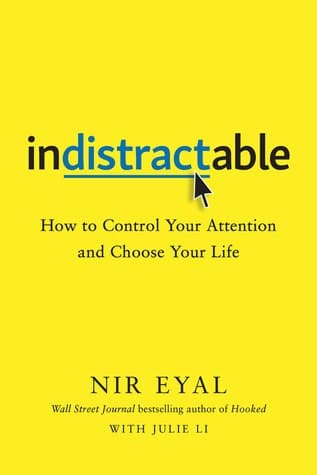
Nir Eyal
Eyal tackles the internal triggers behind distraction and offers ways to design around them. It complements Clear's advice on making bad habits invisible and difficult to act on.
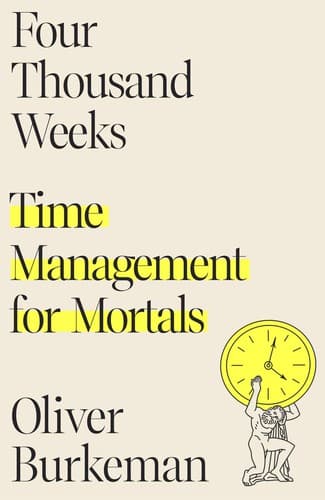
Oliver Burkeman
A thoughtful counterweight to optimisation culture, asking what time is really for. Readers who liked Clear's emphasis on identity and values will appreciate this humane look at priorities.
Carol S. Dweck
Dweck's research on fixed versus growth mindsets explains why some people keep improving. It deepens Clear's idea that lasting change comes from how you see yourself, not just what you do.
Angela Duckworth
Duckworth explores how passion and perseverance drive long-term achievement. Like Clear's stories of elite performers, it shows that consistent practice matters more than raw talent.
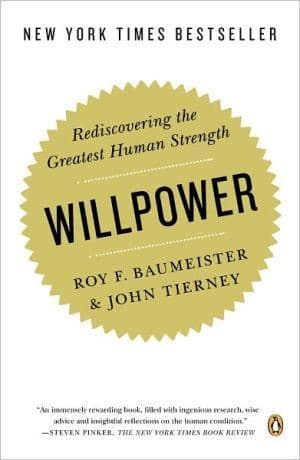
Roy F. Baumeister
Co-written with John Tierney, this explores self-control research and its limits. It helps explain why Clear recommends systems over sheer effort, with practical tips on managing your energy.
We earn a commission if you buy through these links. Learn more