Reader-supported: when you buy through links on our site, we may earn an affiliate commission. Learn more

Cover of Being Wrong

12 books to read next

Books Like Being Wrong

If you loved Being Wrong by Kathryn Schulz

Readers who loved Being Wrong usually come for Kathryn Schulz's blend of sharp reporting, literary range and wry humour. She moves from philosophy and science to comedy and personal anecdote, asking why being mistaken feels so threatening and why it is also how we learn. The pace is brisk and conversational, and the tone is curious rather than preachy. If you enjoy big ideas explained through vivid human stories, the picks below share that appetite for examining how we know what we know.

Why we cling to beliefs

Cover of Thinking, Fast and Slow
Thinking, Fast and Slow

Daniel Kahneman

Like Schulz, Kahneman examines the mental shortcuts that make us confident when we shouldn't be. His account of intuition and overconfidence extends the questions Being Wrong raises about why certainty feels so good.
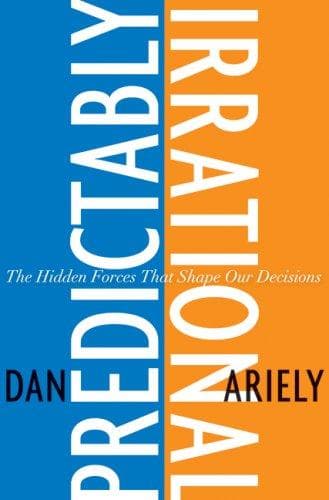
Cover of Predictably Irrational
Predictably Irrational

Dan Ariely

Ariely uses experiments to show how everyday decisions go wrong in consistent, surprising ways. Readers drawn to Schulz's look at our blind spots will enjoy his clear, anecdote-driven demonstrations.

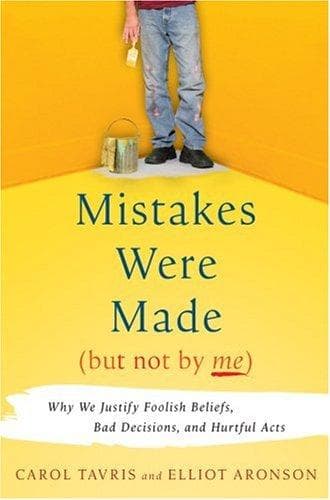
Cover of Mistakes Were Made (But Not by Me)
Mistakes Were Made

Carol Tavris, Elliot Aronson

Tavris and Aronson explain self-justification, the process by which we protect our beliefs after being shown wrong. It is a close companion to Being Wrong's discussion of why admitting error is so hard.

Living with uncertainty

Cover of The Black Swan
The Black Swan

Nassim Nicholas Taleb, David Chandler

Taleb argues that rare, unpredictable events shape history far more than our forecasts admit. His scepticism about confident prediction echoes Schulz's warnings about certainty in the face of an uncertain world.

Cover of Superforecasting
Superforecasting

Philip E. Tetlock, Dan Gardner

Tetlock studies people who make unusually accurate predictions and what habits set them apart. It offers a practical, evidence-based answer to the humility about knowledge that Being Wrong explores.

Cover of The Signal and the Noise
The Signal and the Noise

Nate Silver

Silver looks at why many confident forecasts in fields from weather to finance fail. Readers who appreciated Schulz's attention to overconfident experts will find his examples equally sharp and well researched.

Learning from failure

Cover of Black box thinking
Black box thinking

Matthew Syed

Syed contrasts aviation's open approach to error with medicine's reluctance to admit it. His argument that mistakes can drive progress matches Schulz's case that being wrong can be a gift.

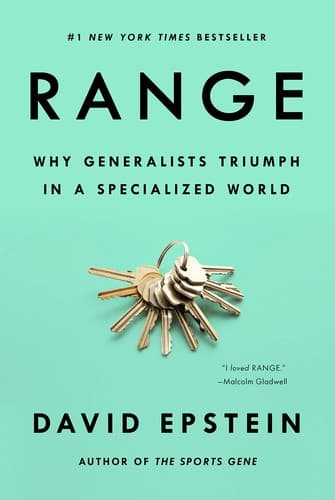
Cover of Range
Range

David J. Epstein

Epstein makes the case that wide experience and changing course beat early specialisation. Readers who liked Schulz's reframing of error as useful will appreciate his similar rethinking of how people grow.

Cover of Grit
Grit

Angela Duckworth

Duckworth explores how persistence through setbacks shapes achievement. Like Being Wrong, it treats failure as part of growth rather than a verdict, and it pairs well with Schulz's personal, reflective tone.

A lighter read

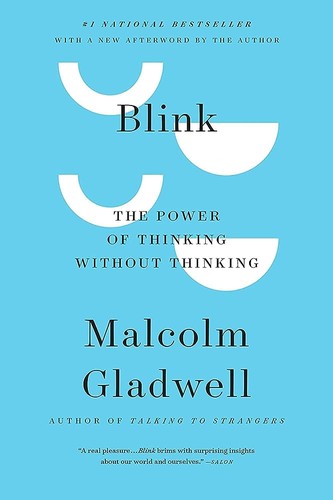
Cover of Blink
Blink

Malcolm Gladwell

Gladwell explores snap judgements and when our instincts are reliable or misleading. Readers who enjoyed Schulz's entertaining, story-led approach to flawed reasoning will find it similarly engaging and accessible.

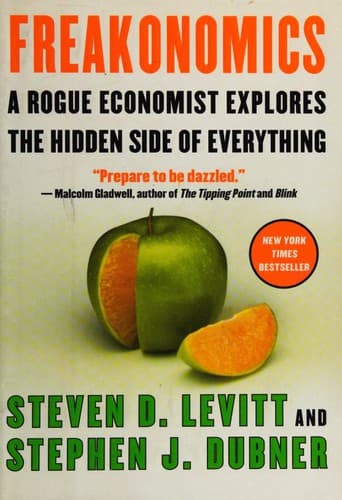
Cover of Freakonomics
Freakonomics

Steven D. Levitt, Stephen J. Dubner

Levitt and Dubner use surprising data to overturn conventional wisdom. Their playful debunking of received ideas will appeal to readers who enjoyed the wit Schulz brings to serious questions about being wrong.

Cover of The believing brain
The believing brain

Michael Shermer

Shermer explains how the brain forms beliefs first and looks for evidence afterwards. For readers who want to go deeper into the science behind Schulz's themes, it offers a rigorous yet readable explanation.

We earn a commission if you buy through these links. Learn more

Keep going

Find books like another book