
Magic Of Thinking Big
David Schwartz
Like Peale's book, it argues that belief in your own potential shapes what you achieve, using plain examples and direct encouragement to act rather than wait.
Reader-supported: when you buy through links on our site, we may earn an affiliate commission. Learn more
12 books to read next
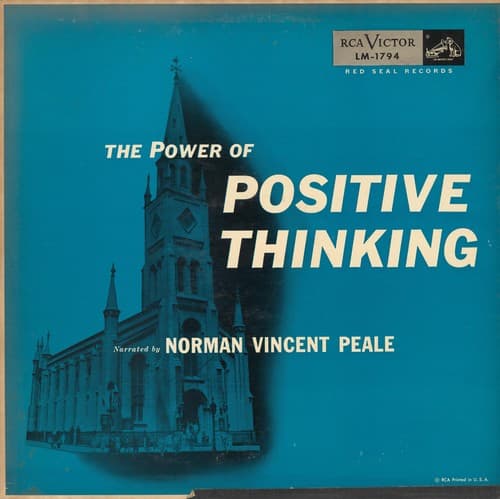
If you loved The Power of Positive Thinking by Norman Vincent Peale
Readers who loved The Power of Positive Thinking usually come for its warm, practical tone: short anecdotes, plain-spoken advice, and a steady belief that changing your inner dialogue can change your daily life. It reads as a friendly sermon rather than a clinical text, with faith, self-image and small daily habits at its centre. The chapters are brisk and encouraging, built for a reader who wants uplift they can act on.
David Schwartz
Like Peale's book, it argues that belief in your own potential shapes what you achieve, using plain examples and direct encouragement to act rather than wait.
Stephen R. Covey
It shares Peale's conviction that character and inner principles drive success, offering a practical framework for living with purpose and clearer priorities.
Dale Carnegie
Carnegie, like Peale, writes warmly and practically about changing your approach to others, with anecdotes and simple steps any reader can try the same week.
Rick Warren, Richard Warren
Readers drawn to Peale's blend of faith and everyday application will find Warren similarly devotional, linking spiritual conviction to daily choices and self-worth.
Napoleon Hill
Hill's classic, like Peale's, treats the mind as the starting point for change, pairing motivational stories with an insistence that belief must be backed by action.
Wayne W. Dyer
Dyer shares Peale's focus on self-talk and the habits that hold us back, offering a direct, self-help style that asks readers to reframe their own thinking.
James Clear
For readers who valued Peale's emphasis on small, repeated mental practices, Clear shows how tiny daily changes compound into lasting results, with clear, usable strategies.
Jonathan Haidt
Haidt draws on research to test ideas of positive outlook and self-improvement, giving a more evidence-based look at the thinking habits Peale championed.
Viktor Emil Frankl
Frankl's short, humane book complements Peale's message that attitude shapes how we meet adversity, though it approaches the subject with far greater depth and gravity.
Carol S. Dweck
Dweck examines how beliefs about ability shape outcomes, expanding on the idea behind Peale's book that the way we think about ourselves determines what we attempt.
Angela Duckworth
Duckworth explores persistence and inner resolve, extending Peale's encouragement to keep faith in yourself through setbacks with research and real-world examples.
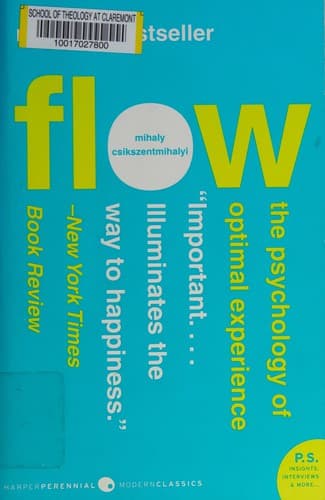
Mihaly Csikszentmihalyi
For readers who want a more rigorous account of happiness and inner state, Csikszentmihalyi offers a thoughtful study of how focus and attitude shape a satisfying life.
We earn a commission if you buy through these links. Learn more