
How to Win Friends and Influence People
Dale Carnegie
Like Schwartz, Carnegie writes in a warm, anecdote-driven style with clear principles. It expands on the people skills that The Magic of Thinking Big treats as essential to getting ahead.
Reader-supported: when you buy through links on our site, we may earn an affiliate commission. Learn more
We earn a commission if you buy through these links. Learn more
Find Similar BooksA short, upbeat 1959 classic that makes a simple case: the size of your thinking sets the size of your results, and small daily actions build the confidence to match.
The Magic of Thinking Big, first published in 1959 by David J. Schwartz, rests on one stubborn claim: most people limit their achievements mainly by how small they allow themselves to think. Schwartz argues that enlarging your belief about what is possible changes which goals you pursue and how seriously you pursue them. The book is short and direct rather than research-driven. Its voice is warm, confident, and sermon-like, carried along by anecdotes, examples, and plenty of pointed rules of thumb.
The reading experience is mostly encouragement with a practical edge. A large share of the book deals with habits of mind: dropping excuses, facing fear instead of waiting for it to pass, and choosing environments and people who expect more of you. The advice is meant to be tried immediately, through small actions that gradually build self-confidence, rather than through extended theory. Chapters are brief and fairly self-contained, so you can dip in without reading in strict order.
Expect a book from another era. Its examples, idiom, and assumptions reflect mid-century American business culture, and the tone can feel like a pep talk at times. It works best as a motivational primer that you test against your own life, keeping the useful habits and setting aside the sweeping promises.
Schwartz's central idea is that people often fail before they start, because they quietly decide a goal is out of reach. He treats thinking big as a deliberate choice: you widen the range of what you consider possible, then let that wider range guide which opportunities you notice and which efforts you commit to. The argument is less about wishing and more about removing a self-imposed ceiling on ambition.
A recurring theme is that excuses feel reasonable in the moment but steadily keep ambition small. Schwartz urges readers to notice the reasons they give for not trying, to examine them honestly, and to replace them with a plan. The advice is blunt and repetitive by design, meant to make you catch yourself mid-excuse and redirect your attention toward the next concrete step.
Schwartz presents self-confidence as something you develop rather than something you have to feel first. Taking modest, manageable steps produces evidence that you can handle more, and that evidence in turn makes bigger steps easier. This practical emphasis on action over mood is one of the book's more durable contributions, and it is the part most likely to be useful to someone stuck in hesitation.
The book pays attention to the social setting of ambition. Schwartz suggests that the people you spend time with, and the expectations they carry, influence how big you think. He encourages readers to seek out those who encourage growth and to be wary of those who consistently shrink your goals. The point is practical and easy to apply, even if the examples feel dated.
The book's biggest weakness is its evidence. Schwartz relies largely on anecdotes and personal observation, and the claims about attitude driving results are stated more firmly than the material supports. Modern research on positive thinking is mixed, and some findings suggest that overly rosy self-talk can sometimes reduce effort. The examples, language, and assumptions about success and work reflect the late 1950s, and the book says little about structural barriers such as money, discrimination, or access to opportunity. Readers should treat it as motivation, not a complete account of achievement.
Reviews from readers on YouTube. Their opinions are their own.
Book details and cover from Google Books.
Ready to read Magic Of Thinking Big?
Get your copy on Amazon, or listen to it on Audible. We earn a commission if you buy through these links.
Dale Carnegie
Like Schwartz, Carnegie writes in a warm, anecdote-driven style with clear principles. It expands on the people skills that The Magic of Thinking Big treats as essential to getting ahead.
Napoleon Hill
The foundational success book Schwartz's generation built on. Its focus on definite goals, persistence and belief echoes the big-thinking message, though in a more inspirational register.
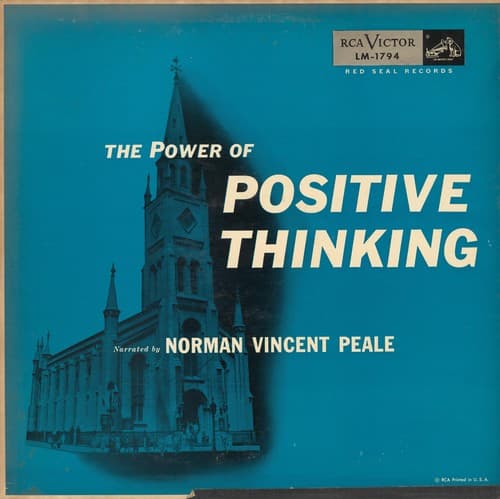
Norman Vincent Peale
A mid-century companion to Schwartz's book, full of practical techniques for overcoming self-doubt and worry. Readers who liked the confidence-building chapters will find a similar encouraging voice.
James Clear
Where Schwartz tells you to act and think bigger, Clear shows how to make new behaviours stick through small, systematic changes. A modern, highly practical follow-up for action-oriented readers.