
Magic Of Thinking Big
David Schwartz
Like Peale's book, it argues that belief in your own potential shapes what you achieve, using plain examples and direct encouragement to act rather than wait.
Reader-supported: when you buy through links on our site, we may earn an affiliate commission. Learn more
We earn a commission if you buy through these links. Learn more
Find Similar BooksGuide by the Books of the Day editors · Updated · How we write our guides
A 1952 classic that shaped modern self-help, Peale's book offers a warm, faith-based pep talk on expecting good outcomes, useful mainly as a window into an influential tradition.
2 creators reviewed The Power of Positive Thinking on YouTube between 2021 and 2024, with 111.5K views between them. Their opinions are their own; we picked these reviews, we didn't write them.
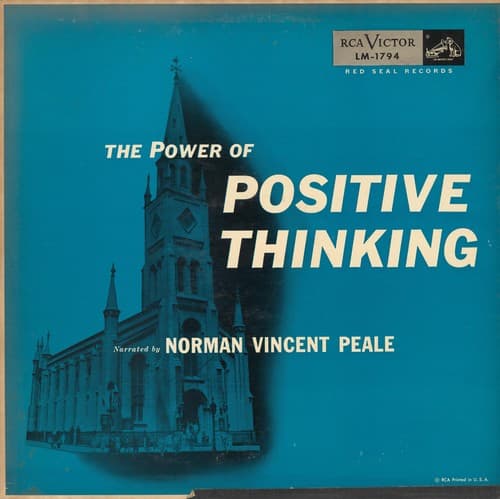
The Power of Positive Thinking is a 1952 self-help book by Norman Vincent Peale, a Protestant minister in New York City whose sermons had built a wide following. It is less a manual than a long, warm sermon in book form. Peale wants readers to change how they face fear, doubt and setbacks, and he frames that change as a spiritual discipline as much as a mental one.
The style is anecdotal and direct. Peale fills the pages with stories of people he counseled or heard about, along with short prescriptions: repeat encouraging statements, picture the outcome you want, and pray with specific expectations. The sentences are simple and the tone is upbeat, sometimes cheerful to the point of breeziness. The chapters are short enough to read in a sitting, and the book rewards a slower read in which you pause to test a suggestion against a real worry.
Reading it feels like sitting through an encouraging pep talk, with the occasional jolt of practical advice. Expect little citation or research; the case for its methods rests mostly on Peale's experience and faith. That makes it an emotionally direct read, though not a rigorous one, and many readers take what helps and set the rest aside.
Peale argues that how you expect things to turn out shapes how you act, and that choosing hopeful expectations on purpose is a habit you can train rather than a mood you wait for. He treats it as a practice to return to daily, especially when problems pile up and discouragement sets in.
Peale ties positive thinking to belief in God and to prayer, presenting faith as something that steadies the mind and gives courage to act. For him the optimism is not naive wishing but trust that effort joined with a higher power can make a difference. Readers who do not share that framework will need to translate it into their own terms.
He recommends picturing success in concrete detail and repeating short affirming statements until they displace discouraging thoughts. The method is simple enough to try the same day, and it is the part of the book most often copied into later self-help. Its effects are hard to measure, so treat it as a tool to test rather than a proven technique.
Peale distinguishes between fretting over a problem and working through it. He encourages readers to name the difficulty, consider what can actually be done, and then act rather than dwell. The advice is general, but it gives anxious readers a usable starting point when worry has stalled them.
The book's central claim, that a positive outlook can reshape outcomes, is hard to test and rests largely on anecdote. Critics have argued that it places too much responsibility on individuals and too little on structural causes such as poverty, illness or discrimination. Later writers, including Barbara Ehrenreich in Bright-Sided, have pushed back hard on the broader positive-thinking movement this book helped popularize. Its 1950s voice and churchly tone also feel dated to many modern readers.
Book details and cover from Google Books.
Ready to read The Power of Positive Thinking?
Get your copy on Amazon, or listen to it on Audible. We earn a commission if you buy through these links.
David Schwartz
Like Peale's book, it argues that belief in your own potential shapes what you achieve, using plain examples and direct encouragement to act rather than wait.
Stephen R. Covey
It shares Peale's conviction that character and inner principles drive success, offering a practical framework for living with purpose and clearer priorities.
Dale Carnegie
Carnegie, like Peale, writes warmly and practically about changing your approach to others, with anecdotes and simple steps any reader can try the same week.
Rick Warren, Richard Warren
Readers drawn to Peale's blend of faith and everyday application will find Warren similarly devotional, linking spiritual conviction to daily choices and self-worth.