
A Brief History of Time
Stephen Hawking
Hawking takes on the same puzzle of what time is and where its arrow comes from, written for general readers. Like Rovelli, he makes cosmology feel vivid and personal without requiring advanced maths.
Reader-supported: when you buy through links on our site, we may earn an affiliate commission. Learn more
12 books to read next
If you loved The Order of Time by Carlo Rovelli
Readers who love The Order of Time usually come for its clear, poetic style and its willingness to unsettle everyday ideas about time. Rovelli moves from physics to philosophy and to how the brain builds our sense of past and future, and he does it in short, elegant chapters without heavy mathematics. Readers look for that blend of wonder, accessible science and big questions, and for an author who makes a strange idea feel personal.
Stephen Hawking
Hawking takes on the same puzzle of what time is and where its arrow comes from, written for general readers. Like Rovelli, he makes cosmology feel vivid and personal without requiring advanced maths.
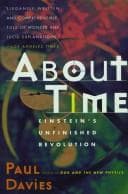
Paul Davies
Davies examines why time seems to flow and why we remember only the past, the same puzzles Rovelli raises. It is a thoughtful, well-argued tour of the physics and philosophy behind the arrow of time.
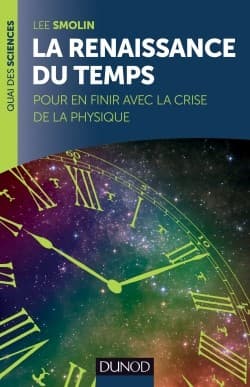
Lee Smolin
Smolin argues that time is real and fundamental, challenging the timeless picture that Rovelli explores. Readers who enjoyed the debate in The Order of Time will find a sharp, opinionated counterpoint.
Sean Carroll
Carroll explains why the past differs from the future and how the arrow of time connects to the quantum world. His clear, engaging prose suits readers who liked the physics in The Order of Time.
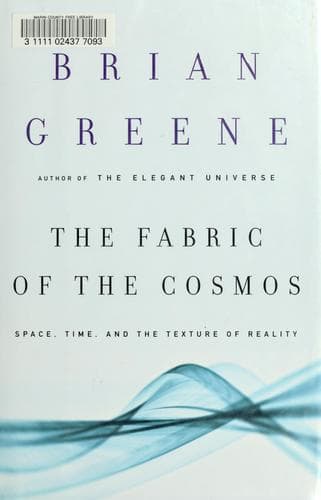
Brian Greene
Greene explores whether space and time are a single fabric and what happens to time at the deepest level. It offers the same sense of wonder about the universe that Rovelli brings to his subject.
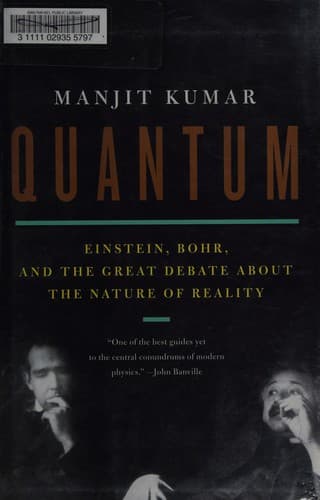
Manjit Kumar
Kumar tells the story of the quantum revolution through the people who built it, giving context to the strange ideas Rovelli discusses. It suits readers who want the history behind modern physics.
Thomas Metzinger
Metzinger argues that the self and our sense of now are constructed by the brain, echoing Rovelli's idea that our experience of time starts from the brain and emotions. It is a demanding but rewarding read.
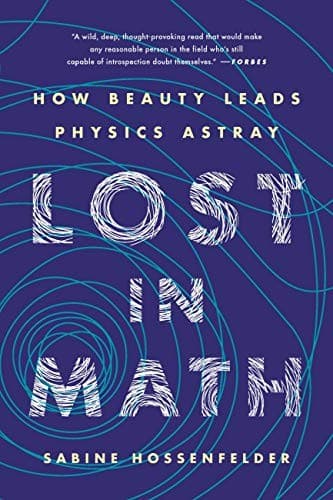
Sabine Hossenfelder
Hossenfelder questions whether physicists' favoured mathematical beauty leads them astray, a critical look at the theories Rovelli describes. Readers who enjoy his skepticism about received ideas will appreciate her candour.
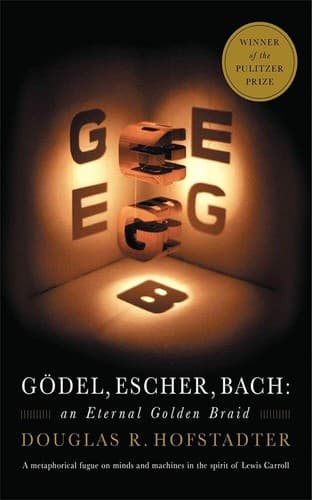
Douglas R. Hofstadter
Hofstadter links mathematics, art and music to the workings of the mind through self-reference and pattern. It rewards readers who loved the way The Order of Time joins physics, philosophy and literature.
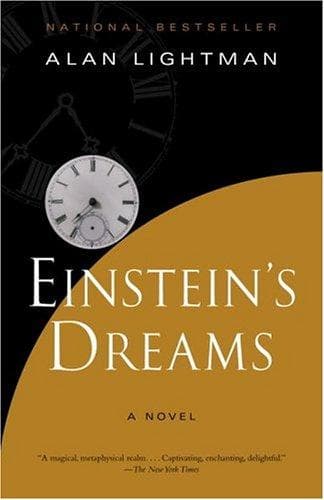
Alan P. Lightman
Lightman imagines a dozen different worlds in which time behaves in strange ways, a lyrical and short book. Readers who liked Rovelli's poetic treatment of time will enjoy its imaginative spin on the same ideas.
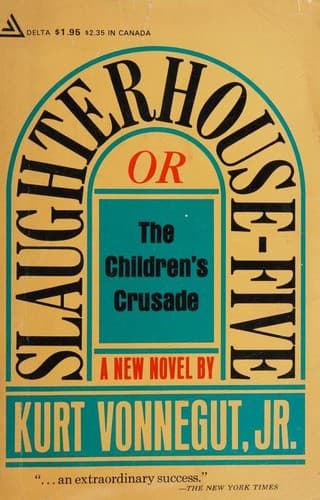
Kurt Vonnegut
Vonnegut tells a war story that jumps unpredictably across time, treating past and present as equally real. It is a short, humane novel for readers who enjoy thinking about how we experience time.
Edwin Abbott Abbott
Abbott's classic novella imagines a two-dimensional world and invites readers to reconsider what extra dimensions might mean. It is a brief, witty book that shares The Order of Time's delight in changing our viewpoint.
We earn a commission if you buy through these links. Learn more