
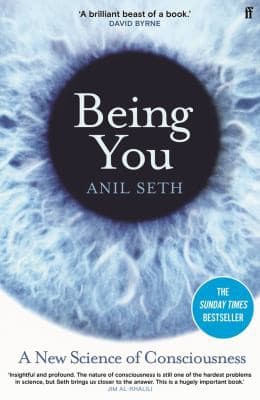
Being You
Anil Seth
Like Metzinger, Seth argues that perception and selfhood are controlled hallucinations built by the brain. He covers the same neuroscience of body ownership and predictive processing, in clear, current prose.
Reader-supported: when you buy through links on our site, we may earn an affiliate commission. Learn more
12 books to read next
If you loved The Ego Tunnel by Thomas Metzinger
Readers who love The Ego Tunnel usually come for its central claim: that the self we experience is a model the brain builds, not a solid thing we simply possess. They tend to enjoy its careful, unhurried reasoning, its willingness to follow science into uncomfortable territory, and its concern with what follows ethically if our states of mind can be altered. The book is dense but clearly argued, and it rewards slow reading. The picks below follow those threads: the brain as a constructor of reality, the self as illusion, fiction about simulated minds, and the ethics of consciousness.
Anil Seth
Like Metzinger, Seth argues that perception and selfhood are controlled hallucinations built by the brain. He covers the same neuroscience of body ownership and predictive processing, in clear, current prose.
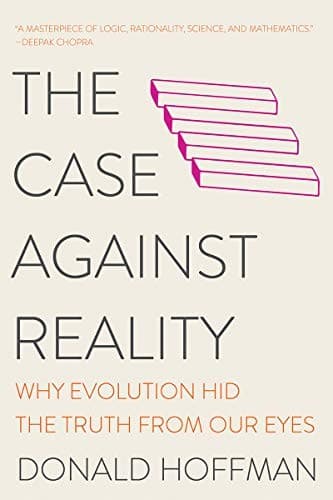
Donald Hoffman
Hoffman pushes the idea that what we experience is a useful interface rather than a true picture of the world. That challenge to naive realism will appeal to readers drawn to the tunnel-vision metaphor in The Ego Tunnel.
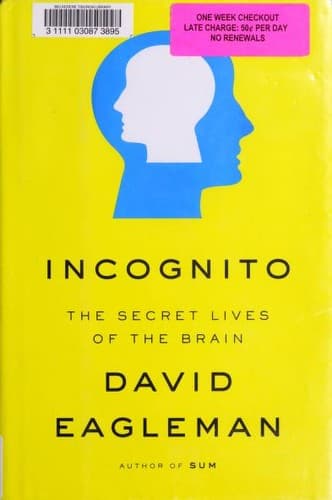
David Eagleman
Eagleman shows how much of mental life runs below awareness and how the conscious self is the last to know. Readers interested in the self as a late-arriving narrator of brain processes will find his examples vivid and accessible.
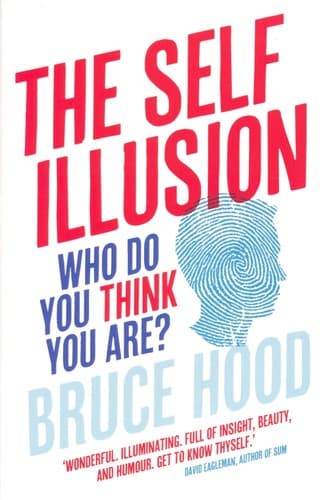
Bruce M. Hood
Hood makes the case that the sense of a stable, inner self is constructed by the brain from social and biological parts. It takes the same skeptical stance toward selfhood that defines The Ego Tunnel, with a more personal tone.
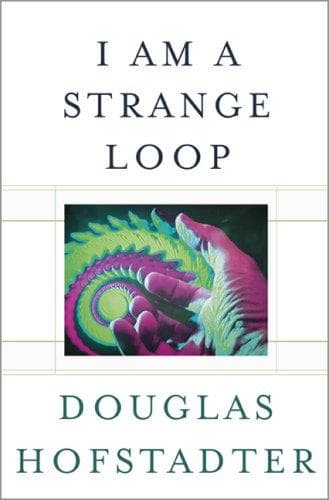
Douglas R. Hofstadter
Hofstadter describes the self as a self-referential pattern emerging from brain activity. Readers who enjoyed Metzinger's account of the self as an emergent process will find a richly reasoned companion here.
Antonio Damasio
Damasio links the sense of self to the brain's ongoing monitoring of the body and its feelings. Readers who want the biological grounding behind Metzinger's emergent self will find it carefully laid out.
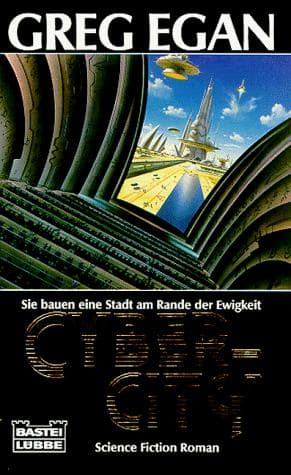
Greg Egan
Egan imagines copied and simulated minds that question what makes a self real and continuous. Readers who were fascinated by the ethics of manipulable consciousness in The Ego Tunnel will find those ideas dramatised with rigour.
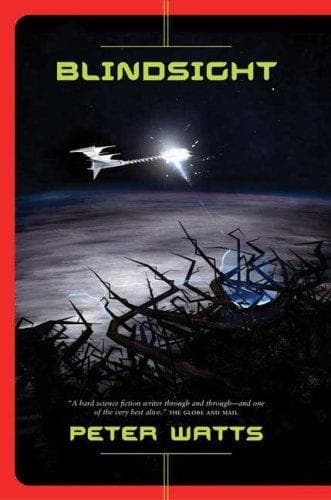
Peter Watts, Peter Watts
Watts builds a hard science fiction story around consciousness, its absence, and whether the self is necessary at all. It suits readers who enjoyed Metzinger's bold questions about what minds are for.

Stanisław Lem
Lem's novel features a mind-like ocean that resists human understanding, raising questions about the limits of perception and selfhood. Readers who appreciated the philosophical unease of The Ego Tunnel will find it a strong match.
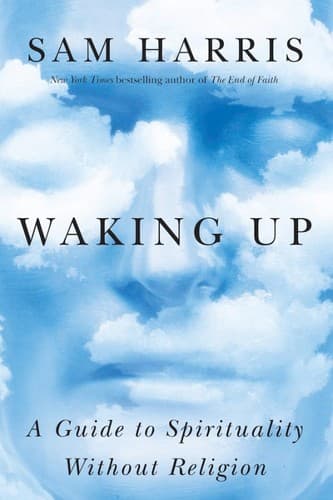
Sam Harris
Harris explores the idea that the sense of a separate self is an illusion and that its dissolution can improve well-being. It speaks directly to Metzinger's question of whether some states of consciousness are better than others.
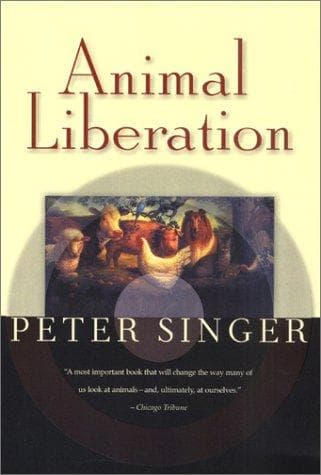
Peter Singer
Singer's argument that the capacity to suffer should guide moral concern pairs well with Metzinger's ethical questions about consciousness. Readers who want to think through what minds deserve will find it a foundational text.
Daniel C. Dennett
Dennett offers a sweeping naturalistic account of the mind and the self as a product of brain processes. It is a demanding but rewarding next step for readers who want to go deeper into the philosophy behind The Ego Tunnel.
We earn a commission if you buy through these links. Learn more