
Deep Work
Cal Newport
Like The ONE Thing, it argues that focused, uninterrupted effort beats busy, scattered activity. Newport gives concrete routines for protecting long stretches of concentration in a distracted workplace.
Reader-supported: when you buy through links on our site, we may earn an affiliate commission. Learn more
12 books to read next
If you loved The One Thing by Gary Keller, Jay Papasan
Readers who loved The ONE Thing usually want a clear, direct message: stop juggling everything and focus on the single action that matters most. The book is short, practical and conversational, built around a central question and a handful of habits like time blocking and asking what one thing would make everything else easier or unnecessary. It appeals to people overwhelmed by email, meetings and competing priorities who want fewer distractions and better results. The tone is upbeat and motivational, with lots of examples from work and personal life.
Cal Newport
Like The ONE Thing, it argues that focused, uninterrupted effort beats busy, scattered activity. Newport gives concrete routines for protecting long stretches of concentration in a distracted workplace.
Greg McKeown
It builds on the same idea of doing less but better, urging readers to identify the vital few priorities and ruthlessly eliminate the rest. The principle of saying no to nonessentials will feel familiar.
Stephen R. Covey
Covey's classic focuses on aligning daily actions with the goals that matter most. Readers who valued The ONE Thing's emphasis on priorities will find a deeper framework for personal effectiveness.
James Clear
Clear shows how small, consistent actions compound into large results, echoing The ONE Thing's domino idea. It offers practical systems for building routines that stick.
Charles Duhigg
Duhigg explains how habits form and how to change them, giving readers a research-backed look at the routines behind productivity. It pairs well with The ONE Thing's focus on repeatable daily action.
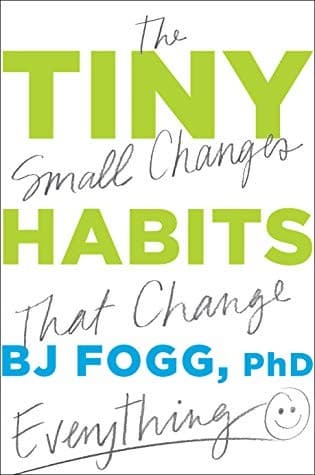
B. J. Fogg
Fogg's method of starting with very small behaviours anchored to existing routines suits readers who liked The ONE Thing's approach to momentum. It is a quick, friendly read with clear steps.
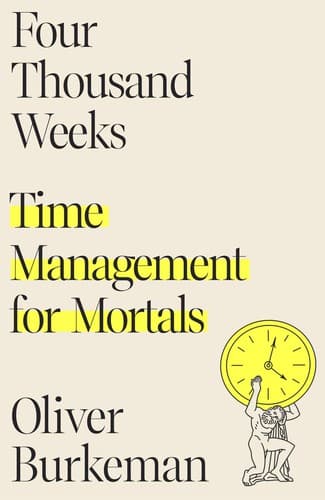
Oliver Burkeman
Burkeman takes a gentler, philosophical look at time scarcity and the impossibility of doing everything. Readers who wanted permission to let go of the endless to-do list will appreciate its calm tone.
Gretchen Rubin
Rubin's month-by-month personal experiment is warm and practical, much like The ONE Thing's everyday examples. It suits readers wanting to simplify life and build satisfying routines.
David Allen
Allen offers a systematic method for clearing mental clutter and managing commitments. Readers who felt overwhelmed and wanted to cut through the noise of daily demands will find useful tools here.
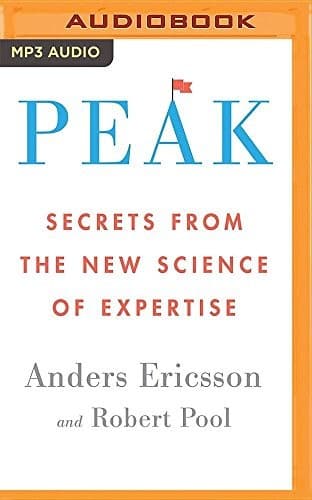
Anders Ericsson, Robert Pool
Ericsson, the researcher behind deliberate practice, explains how focused, targeted effort produces expertise. It gives the science behind why concentrating on one skill at a time works so well.
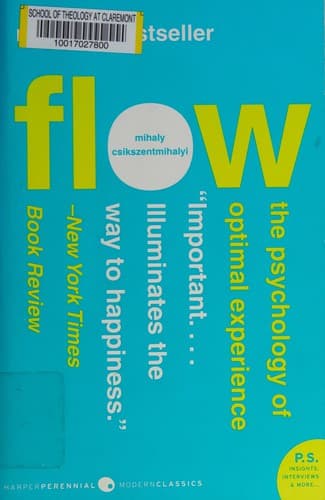
Mihaly Csikszentmihalyi
Csikszentmihalyi describes the state of total absorption in a single task, a useful companion to The ONE Thing's focus on momentum. It explores how deep concentration brings satisfaction and energy.
Daniel Kahneman
Kahneman explains the mental shortcuts that make us distracted and overloaded. Readers curious about why focus is so hard will gain a richer understanding of the forces The ONE Thing addresses.
We earn a commission if you buy through these links. Learn more