
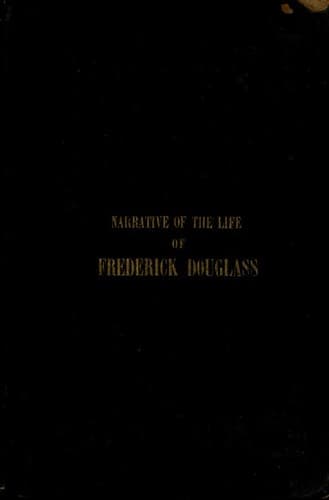
Narrative of the life of Frederick Douglass
Frederick Douglass
Like Jacobs, Douglass writes his own account of bondage and escape, and he too turns his story into a direct argument against slavery aimed at readers who have not seen it up close.
Reader-supported: when you buy through links on our site, we may earn an affiliate commission. Learn more
12 books to read next
If you loved Incidents in the Life of a Slave Girl by Harriet Ann Jacobs
Readers who love Incidents in the Life of a Slave Girl usually come for its direct, personal voice: Harriet Jacobs writes plainly about her life as an enslaved woman, her fight to protect her children, and the sexual abuse she endured. The book borrows the emotional techniques of sentimental novels while insisting on hard facts. Its pace is steady and reflective, and it addresses its readers directly, asking them to confront what they would rather not see. Readers often want more firsthand testimony, more fiction with a strong female perspective, or historical context that explains how slavery worked.
Frederick Douglass
Like Jacobs, Douglass writes his own account of bondage and escape, and he too turns his story into a direct argument against slavery aimed at readers who have not seen it up close.
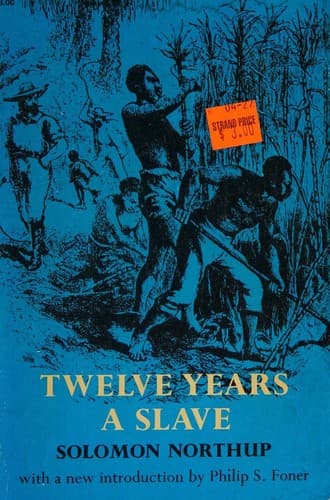
Solomon Northup
Northup's memoir of being kidnapped and held in bondage offers the same first-person witness and matter-of-fact detail that make Jacobs's account so hard to put down.
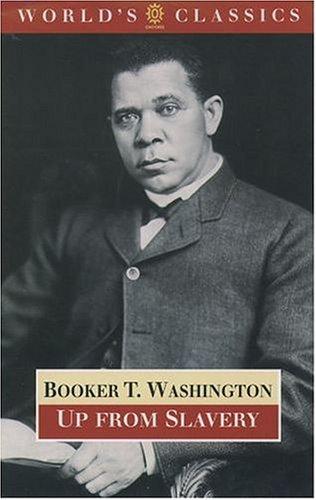
Booker T. Washington
Washington describes growing up enslaved and then building an education, echoing Jacobs's focus on hard-won independence and the value of learning as a path out of bondage.
Toni Morrison
Morrison's novel confronts the sexual violence and maternal anguish of slavery with the same unflinching honesty Jacobs brings to her story of protecting her children.
Alice Walker
Told through letters from a Black woman in the American South, this novel shares Jacobs's concern with women surviving abuse and finding their own voice.
Octavia Butler
Butler's time-travel novel puts a Black woman inside the brutal realities of a slaveholding plantation, drawing readers into the moral stakes that Jacobs lays out in her memoir.
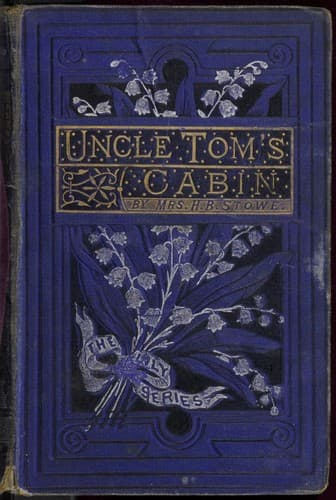
Harriet Beecher Stowe
Stowe wrote to move Northern readers toward abolition through emotional storytelling, the same strategy Jacobs uses when she appeals to white women in the North in her memoir.
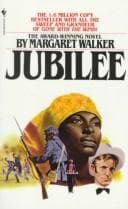
Margaret Walker
Walker's historical novel follows an enslaved woman through the Civil War era, with the grounded domestic detail and attention to family and survival that readers value in Jacobs's book.
Colson Whitehead
Whitehead's novel follows an enslaved young woman's escape, combining vivid incident with a critical look at slavery's cruelty that suits readers drawn to Jacobs's account of flight and freedom.
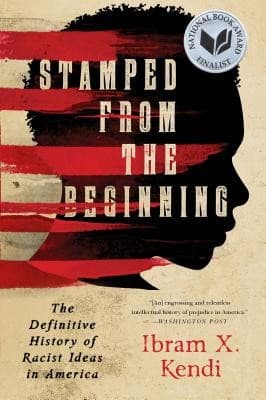
Ibram X. Kendi
Kendi traces the origins of racist ideas in America, giving the wider historical framework behind the institutions and attitudes that Jacobs describes from her own experience.
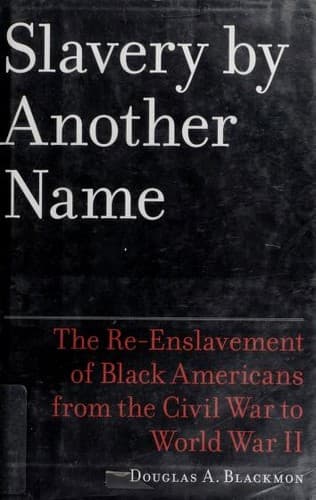
Douglas A. Blackmon, Dennis Boutsikaris
Blackmon's history of forced labor after emancipation shows what came after the period Jacobs writes about, for readers who want to understand how bondage persisted in new forms.
bell hooks
hooks examines how Black women were treated under slavery and after, placing the gendered suffering that Jacobs documents within a broader analysis of race and womanhood.
We earn a commission if you buy through these links. Learn more