
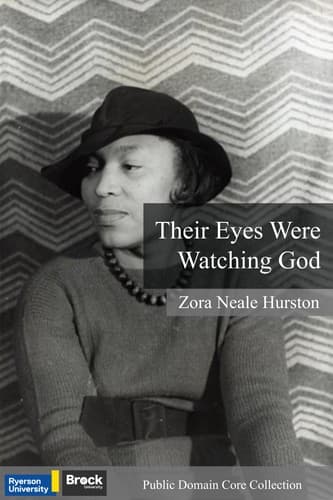
Their Eyes Were Watching God
Zora Neale Hurston
Janie's journey through three marriages toward selfhood mirrors Celie's awakening, told in rich Southern Black vernacular that Walker herself championed and admired.
Reader-supported: when you buy through links on our site, we may earn an affiliate commission. Learn more
We earn a commission if you buy through these links. Learn more
Find Similar Booksby Alice Walker
On screen: The Color Purple (film, 1985)
Guide by the Books of the Day editors · Updated · How we write our guides
Walker's letter-form novel turns one Black woman's painful, halting letters into a book about voice, faith, and sisterhood that rewards every page of patience it asks for.
2 creators reviewed The Color Purple on YouTube between 2009 and 2012, with 171.4K views between them. Their opinions are their own; we picked these reviews, we didn't write them.
The Color Purple is told mostly through letters. Celie, a young Black woman in rural Georgia in the early twentieth century, first writes to God because she has no one else to address. She has been abused by the man she thinks is her father, and then married off to a man she calls Mister. Her early voice is clipped and misspelled, and it grows more confident as the book goes on. That slow change in her prose is one of the book's chief pleasures.
Walker builds a small community around Celie: her sister Nettie, who is sent away; Shug Avery, a blues singer whose presence changes how Celie sees herself; Sofia, whose stubborn independence clashes with the town's expectations; and Harpo, Mister's son. Nettie's letters from Africa add a second, wider frame to the story. The book moves between hardship and humor, and between the domestic and the spiritual, without sounding like a sermon.
Reading it is emotionally demanding, since violence and cruelty are described directly, but it is also warm and often funny. It is short enough to finish in a few sittings, though it lingers. The dialect is present from the first page and takes a few chapters to settle into, after which it becomes easy to read.
Celie begins by writing to God because no one else will listen. Over time her letters become a way of naming what was done to her and claiming her own perspective. The form makes the reader watch a mind find its words, which is more affecting than any single scene.
The women around Celie offer a counterweight to the men who control her household. Their bonds are practical, emotional, and sometimes erotic, and they show how people rebuild themselves through community. Walker treats these relationships as serious subjects rather than background.
Celie's relationship with God is challenged, questioned, and reshaped across the novel. The book argues for a spirituality grounded in self-respect and everyday life rather than in what churches or husbands demand. Readers who care about religion will find it provocative.
Celie's sewing and tailoring give her a degree of economic independence that the world around her did not plan for her. Walker shows how a skill, and the ability to earn from it, can change how a person is seen and how she sees herself.
Nettie's letters from Africa widen the book beyond rural Georgia and ask what Black American identity owes to a distant homeland. These sections change the novel's scale and give its domestic story a larger historical frame.
Some critics have objected to the novel's portrayal of Black men, particularly Mister and Harpo, arguing that the male characters are often one-dimensional abusers or foils. Others have questioned how the African sections idealize a homeland the book presents from a distance. The novel's frank depiction of sexuality and violence has also led to repeated challenges in school and library settings. It focuses closely on a few lives rather than on the wider social history of the period, so readers looking for broad historical context may need to look elsewhere.
Book details and cover from Google Books.
Ready to read The Color Purple?
Get your copy on Amazon, or listen to it on Audible. We earn a commission if you buy through these links.
Zora Neale Hurston
Janie's journey through three marriages toward selfhood mirrors Celie's awakening, told in rich Southern Black vernacular that Walker herself championed and admired.
Toni Morrison
Like The Color Purple, it centres Black women's survival of brutal trauma, exploring motherhood, memory and the cost of freedom with lyrical, unforgettable intensity.
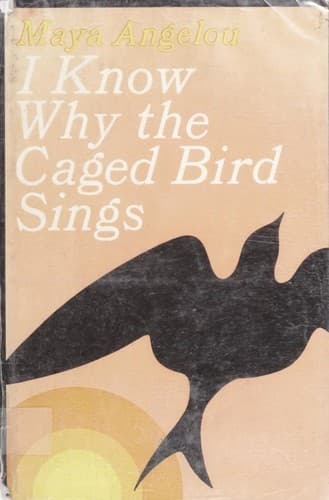
Maya Angelou
Angelou's memoir of a Southern girlhood shares Celie's experience of abuse and silence, and the healing power of finding words and an independent self.
Sue Monk Kidd
A girl in the 1960s South finds refuge with three Black beekeeping sisters, echoing the chosen family and female solidarity that sustain Celie.