
Beloved
Toni Morrison
Like Whitehead, Morrison confronts the physical and psychic cruelty of slavery head on, and her story of a woman haunted by her past shares the Underground Railroad's refusal to look away from what bondage did to families.
Reader-supported: when you buy through links on our site, we may earn an affiliate commission. Learn more
12 books to read next
If you loved The Underground Railroad by Colson Whitehead
Readers who love The Underground Railroad usually come for its bold premise, a literal railway running beneath the South, and for the way Colson Whitehead pairs that invention with unflinching realism. The novel moves at a gripping pace, following Cora from one state to the next, and each stop reveals a distorted version of American history. Its tone is severe but humane, and its themes of bondage, survival and inherited memory linger long after the last page.
Toni Morrison
Like Whitehead, Morrison confronts the physical and psychic cruelty of slavery head on, and her story of a woman haunted by her past shares the Underground Railroad's refusal to look away from what bondage did to families.
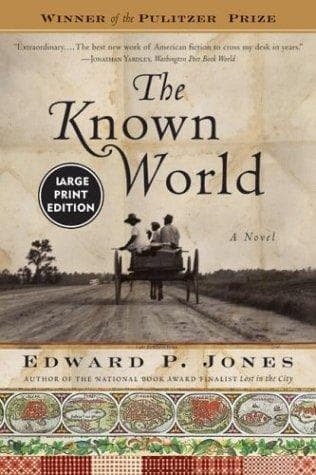
Edward P. Jones
Jones examines slavery through the lives of Black and white people in one Virginia county, with the same moral complexity and sharp attention to plantation hierarchy that readers admired in Cora's Georgia chapters.
Octavia Butler
Butler's time-travel story forces a modern woman to experience antebellum violence firsthand, echoing The Underground Railroad's blend of speculative premise and brutal historical detail about slavery's daily horrors.
Ta-Nehisi Coates
Coates also gives the Underground Railroad a literal, almost mythic form, with a hero who escapes bondage through a supernatural gift, much as Whitehead turns a historical network into a real underground system.
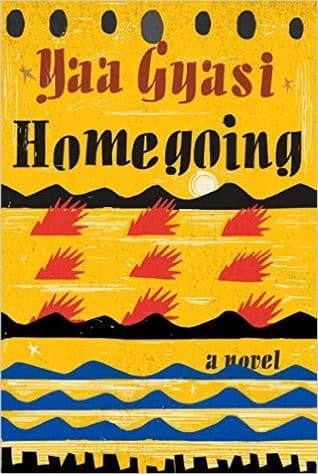
Yaa Gyasi
Gyasi traces slavery's legacy across generations and continents, moving through linked chapters much like Whitehead's stop-by-stop structure, so readers see how one family's choices ripple through history.
Margaret Walker
Walker's novel follows an enslaved woman's life through the Civil War era with a grounded, epic sweep, offering the same sense of a Black woman's endurance across a turbulent American past that readers found in Cora.

Jonathan Swift
Whitehead's blurb invokes Gulliver, and Swift's episodic voyage to strange societies offers the same pleasure of a traveller discovering a familiar world reflected back in unsettling new forms.
Mark Twain
Twain's river journey carries a runaway enslaved man and a boy past a series of satirical and dangerous encounters, giving readers the same episodic flight toward freedom and sharp critique of American hypocrisy.
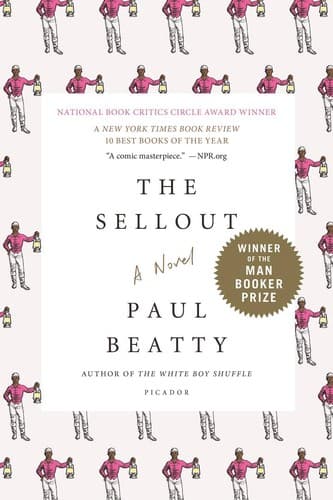
Paul Beatty
Beatty's satire of race in America is as darkly comic and unsparing as Whitehead's, and it likewise uses a strange, absurd setting to expose the history and present-day contradictions that shape Black lives.
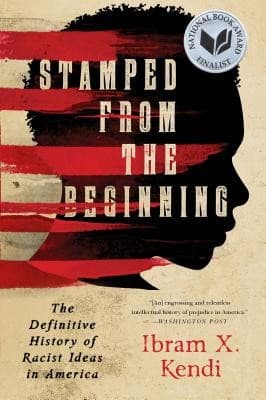
Ibram X. Kendi
Kendi's National Book Award winning history traces racist ideas in America from the colonial era onward, giving readers who were moved by the novel's historical sweep a clear account of the ideas behind it.
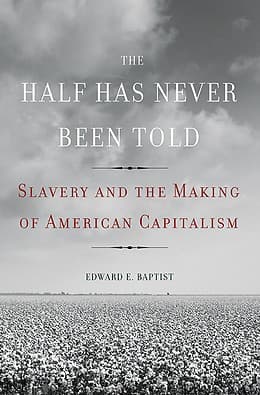
Edward E. Baptist
Baptist shows how the cotton economy built on enslaved labour drove American growth, shedding light on the plantation world Cora escapes and the economic forces that made slavery so brutal.
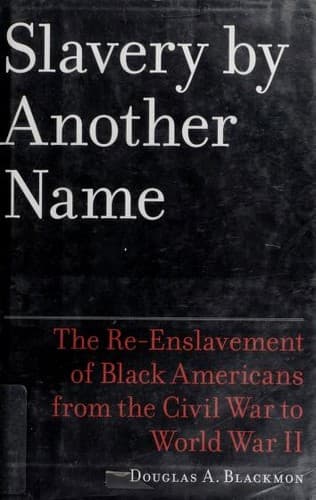
Douglas A. Blackmon, Dennis Boutsikaris
Blackmon's Pulitzer Prize winning book documents how forced labour continued after emancipation, extending the novel's theme that the history of bondage and its afterlife is one story that many readers never learned.
We earn a commission if you buy through these links. Learn more