
Into Thin Air
Jon Krakauer
Like Maclean, Krakauer reconstructs a deadly event from survivors' accounts and his own memory, asking how and why people died. Its honest, first-person grief echoes the way Young Men and Fire mourns its crew.
Reader-supported: when you buy through links on our site, we may earn an affiliate commission. Learn more
11 books to read next
If you loved Young Men and Fire by Norman Maclean
Readers who love Young Men and Fire usually respond to its quiet, grave tone and its blend of fact and personal reflection. Maclean rebuilds a 1949 disaster from testimony, maps and fire science, while openly wrestling with memory, grief and the limits of what can be known. The pace is deliberate rather than thriller-fast, and the prose is plain but carefully made. If you want true events handled with literary care and a sense of mourning for the people involved, these books will feel familiar.
Jon Krakauer
Like Maclean, Krakauer reconstructs a deadly event from survivors' accounts and his own memory, asking how and why people died. Its honest, first-person grief echoes the way Young Men and Fire mourns its crew.
Sebastian Junger, Anne Collins
Junger gives a fatal weather event the same careful reconstruction Maclean brings to Mann Gulch, explaining the science clearly while staying with the men who were lost at sea.
Erik Larson, Richard M. Davidson
Larson combines hard scientific explanation with a human tragedy, much as Maclean pairs fire behaviour with the crew's story. Readers who valued the book's mix of expertise and elegy will find it satisfying.
Edward Abbey
Abbey's meditative, sometimes angry prose about wild country shares Maclean's love of Western landscape and his fascination with its power. It suits readers drawn to the book's poetic, reflective voice.
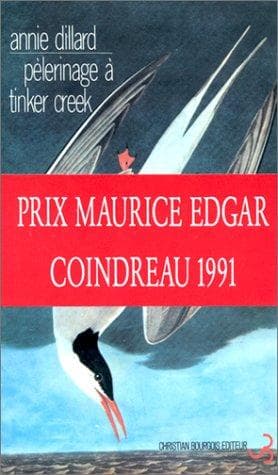
Annie Dillard
Dillard watches a single valley with the close attention Maclean gives to a single fire, turning observation into philosophy. Her luminous sentences reward the same slow, deliberate reading.
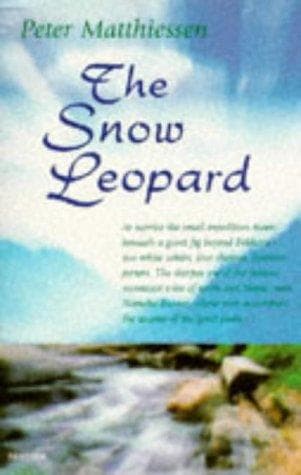
Peter Matthiessen
Matthiessen's Himalayan journey is as much an inner search as an outer one, mirroring Maclean's blend of landscape and personal mortality. Its contemplative pace suits readers who found the book's stillness rewarding.
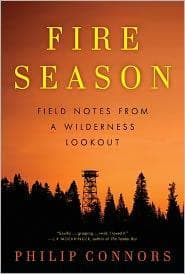
Philip Connors
Connors spends a season alone in a New Mexico fire lookout, writing about fire, solitude and the wild with the same lyrical seriousness Maclean brings to Mann Gulch. It is a close companion for anyone fascinated by fire itself.
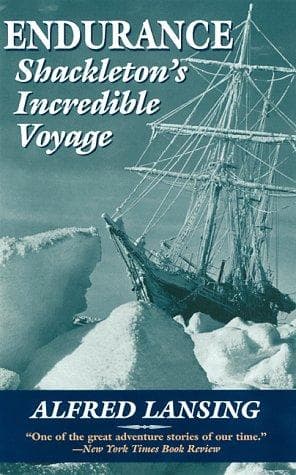
Alfred Lansing, Elena Grau
Lansing tells the story of Shackleton's stranded expedition with suspense and deep respect for the men involved. Like Young Men and Fire, it honours ordinary people caught in extreme conditions.
Norman Maclean
Maclean's earlier collection of stories about his family and Montana returns to the same landscape and the same grief for lost men. Readers who loved his voice will find the tone and memories familiar.
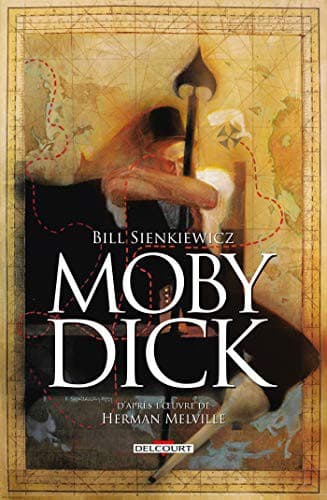
Herman Melville
Several reviewers of Young Men and Fire compared it to Melville, and the obsessive pursuit of a destructive force in both books makes the comparison apt. Melville's language is dense, but the rewards are similar.
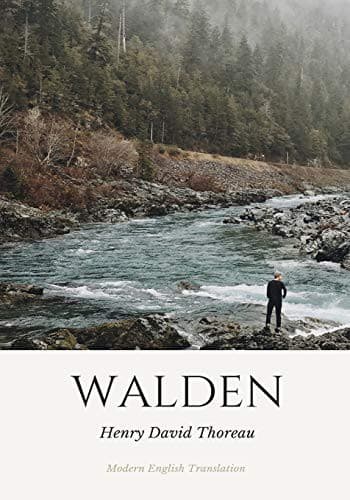
Henry David Thoreau
Thoreau's account of living close to the natural world and questioning what matters shares Maclean's reflective, self-examining approach. It is a foundational American text for readers interested in landscape and meaning.
We earn a commission if you buy through these links. Learn more