
We earn a commission if you buy through these links. Learn more
Fire Season
Guide by the Books of the Day editors · Updated · How we write our guides
A patient, observant memoir of watching for wildfires alone from a New Mexico lookout tower, worth reading for its quiet attention to solitude, weather, and the American West.
What Creators Say About Fire Season
2 creators reviewed Fire Season on YouTube between 2010 and 2016, with 14.5K views between them. Their opinions are their own; we picked these reviews, we didn't write them.
What It's About
Fire Season is Philip Connors's account of several summers spent alone in a fire lookout tower in New Mexico's Gila National Forest, scanning the horizon for smoke and reporting it by radio. Connors had been a city writer before taking the job, and the book keeps one foot in the life he left behind. Much of it is about routine: long days of watching, the small chores of living on a mountaintop, and weather that builds and clears in plain view.
The structure is looser than a conventional memoir. Connors moves between daily observation and reflection on the history of firefighting, the American West, and the writers who spent time in wild country before him. Fire is never far off, and he writes about it with respect and unease, including what it asks of the people who fight it. The prose is deliberate and attentive rather than driven by plot.
Reading it feels like sitting with a companion who talks slowly and notices things. Some readers will find the pace meditative and rewarding, while others will find the long stretches of solitude repetitive. It works best in short sessions and rewards attention to small details more than momentum.
Read this if you…
- enjoy slow, reflective nonfiction about nature and solitude
- are curious about wildfire, public lands, or what life in the American West is like
- like essayistic writing that wanders between personal experience and literary history
Skip it if you…
- want a fast-moving narrative with a clear arc or dramatic stakes
- are looking for a practical guide to firefighting or wilderness survival
Key Ideas
- 1
Solitude as a daily discipline
Connors treats isolation not as an escape but as a working condition that demands routine, self-honesty, and comfort with his own company. He shows how a person can build a structure for days that otherwise have none, and how that structure both steadies and tests him over a season.
- 2
Watching as a form of attention
Lookout work is largely the practice of looking carefully at the same landscape for hours. The book makes a case for patient observation as a skill, noticing how light, cloud, and wind change a familiar view, and it applies that same attentiveness to the writing itself.
- 3
Fire as destructive and necessary
Connors does not romanticize wildfire or treat it as simply an enemy. He explores how fire shapes forests and how public attitudes toward it have shifted, while keeping the human stakes in view, including the danger faced by crews on the ground.
- 4
Against the myth of the frontier
Much writing about the American West leans on heroic images of solitude and conquest. Connors interrogates those images, measuring the inherited romance of the lookout against the realities of the land and the people who work it.
- 5
Returning from the mountain to ordinary life
The book is also about what a long stint away from society does to a person's sense of self and priorities. The tension between the quiet of the tower and the noise of the city runs beneath much of the reflection, giving the account a personal stake.
Limitations
Some readers find the pace too slow, and the repetitive rhythm of lookout life can feel thin across the whole book. Connors's reflections on the West and on earlier writers are personal and selective, so the book does not offer a broad survey of wildfire science or policy. Its perspective is that of one observer in one region, and readers wanting a wider view of fire management will need other sources. Some passages may also strike readers as self-regarding, though the author is generally candid about his doubts.
Questions Readers Ask
- Is Fire Season a biography?
- Not in the strict sense. It is a memoir and essay collection centered on Connors's own seasons as a fire lookout, with reflections on the landscape, fire, and the writers he admires. It tells you a great deal about the author's inner life but is not a life-of-a-subject book.
- Do I need any interest in fire or forestry to enjoy it?
- No, though it helps. The book's appeal lies more in its attention to solitude, weather, and place than in technical detail about fire behavior. Readers who enjoy quiet nature writing usually get the most from it, even without prior knowledge of the subject.
- How does it compare to Norman Maclean's Young Men and Fire?
- Maclean's book is a narrower investigation of a single deadly fire, built with reporting and a strong narrative. Connors's book is more personal and reflective, focused on daily life in a lookout rather than one event. Readers who want a story should pick Maclean; those who want contemplation may prefer Connors.
- Published
- 2011
- ISBN
- 9781447208143
- Difficulty
- intermediate
- Category
- Biographies
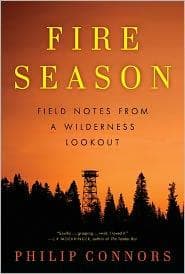
Book details and cover from Google Books.
Ready to read Fire Season?
Get your copy on Amazon, or listen to it on Audible. We earn a commission if you buy through these links.