
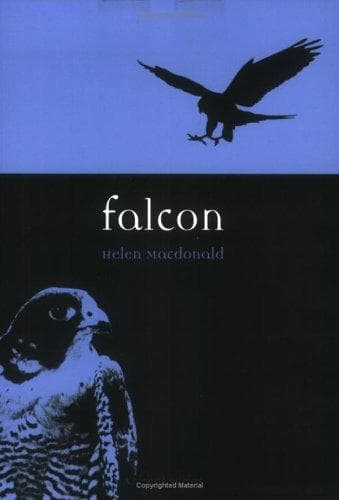
H Is for Hawk
Helen Macdonald
After her father's sudden death, Macdonald trains a goshawk. Like Didion, she braids personal mourning with research and literary reflection, writing about grief's strange logic with remarkable precision.
Reader-supported: when you buy through links on our site, we may earn an affiliate commission. Learn more
12 books to read next
If you loved The Year of Magical Thinking by Joan Didion
Readers come to The Year of Magical Thinking for its unflinching, clear-eyed account of grief after the sudden death of Didion's husband while their daughter lay critically ill. They love her precise, repetitive, almost forensic prose, the way she researches mourning even as she lives it, and her honesty about irrational thoughts, like keeping his shoes in case he returns. It is a portrait of a long marriage and a mind trying to hold steady, told without sentimentality.
Helen Macdonald
After her father's sudden death, Macdonald trains a goshawk. Like Didion, she braids personal mourning with research and literary reflection, writing about grief's strange logic with remarkable precision.
C. S. Lewis
Lewis's raw notebooks after his wife's death are the classic forerunner to Didion's book: short, honest, and willing to record doubt and anger rather than offer easy consolation.
Chimamanda Ngozi Adichie, Scheherezade Surià
A brief, intense essay on losing her father during the pandemic. Readers who valued Didion's candour about the disorienting first months will recognise the same shock and sharp observation.
Elizabeth Alexander
The poet's memoir of her husband's sudden death is, like Didion's, both a portrait of a loving marriage and an account of surviving its abrupt end, written in luminous prose.
Joyce Carol Oates
Oates chronicles the months after her husband's unexpected death in hospital, capturing the bureaucracy, insomnia and disbelief that Didion described so exactly.
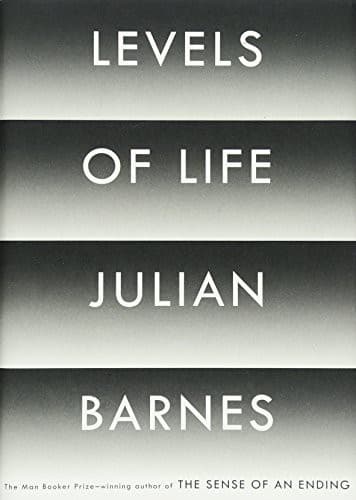
Julian Barnes
Barnes approaches his wife's death obliquely before facing it directly, offering a spare, intelligent meditation on love and loss that suits readers drawn to Didion's restraint.
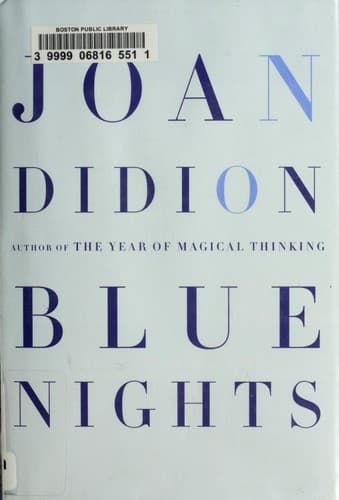
Joan Didion
Didion's companion volume turns to her daughter Quintana and to ageing, extending the reflections on motherhood and fragility that run through The Year of Magical Thinking.
Paul Kalanithi
A neurosurgeon writes about his own terminal diagnosis. Fans of Didion's intellectual engagement with hospitals and medicine will find a similarly thoughtful confrontation with death.
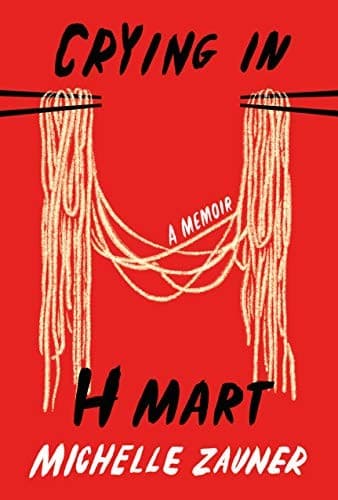
Michelle Zauner
Zauner's memoir of her mother's cancer and death explores family, memory and identity, offering a more recent, deeply felt take on how grief reshapes a life.
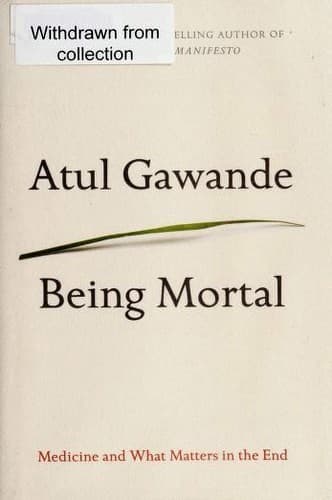
Atul Gawande
Gawande examines how medicine handles ageing and dying. It extends Didion's questions about hospitals, doctors and control into a broader, compassionate investigation.
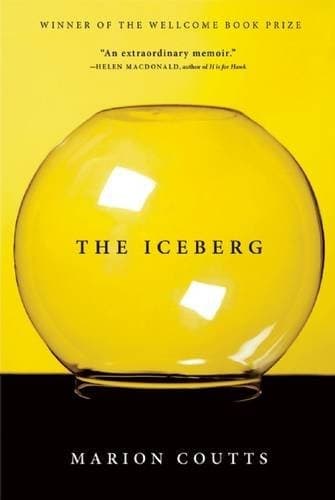
Marion Coutts
An artist's fragmented, poetic account of her husband's terminal illness while raising their young son, as attentive to language and the texture of days as Didion's book.

Maggie Nelson
Nelson's numbered meditations on the colour blue, heartbreak and a friend's injury offer the essayistic, fragment-driven intimacy that Didion's admirers often seek next.
We earn a commission if you buy through these links. Learn more