
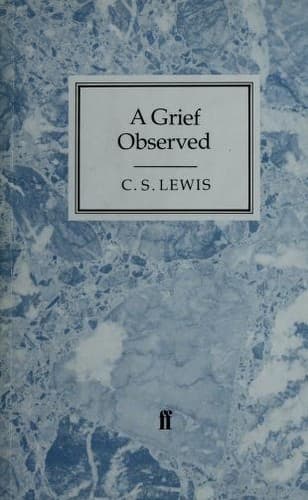
A Grief Observed
C. S. Lewis
Lewis writes a short, raw journal of mourning after his wife's death, asking hard questions about love and faith. Like Alexander, he turns grief into careful, intimate reflection rather than neat consolation.
Reader-supported: when you buy through links on our site, we may earn an affiliate commission. Learn more
We earn a commission if you buy through these links. Learn more
Find Similar BooksGuide by the Books of the Day editors · Updated · How we write our guides
A poet's careful, warm account of losing her husband suddenly and raising two teenage sons afterward, worth reading for its attention to love, family, and what makes a life meaningful.
2 creators reviewed The Light of the World on YouTube between 2015 and 2022, with 661 views between them. Their opinions are their own; we picked these reviews, we didn't write them.
The Light of the World is a memoir by the poet Elizabeth Alexander about the sudden death of her husband, Ficre Ghebreyesus, an artist, and the years that followed. It is not a grief manual or a step-by-step account of recovery. It moves back and forth between the present of raising two teenage sons after such a loss and the past of the marriage itself, so the reader gets both the grief and the life that was lost.
Alexander writes as a poet would. Sentences are carefully shaped, images recur, and she is comfortable letting a single moment carry a whole page. The prose is often lush, which some readers will find moving and others will find slow. The book leans on memory and ordinary detail: meals, rooms, the routines of a household, and the way a family keeps going on its own schedule even when one person is missing.
Reading it feels less like following a plot than sitting with someone who is thinking aloud and trying to make sense of what happened. It is intimate and reflective, with long stretches of meditation on love, art, friendship, and community. The emotional weight is real, but the book is more interested in what endures than in spectacle or despair, and that tone shapes the whole experience.
Alexander makes the case that a marriage is built mostly from small, unremarkable moments. By returning to these details, the book shows why a loss this sudden feels so total, and why ordinary memory becomes a form of devotion after a death.
The book does not pause the world after the death. Her sons still need school, meals, and attention, and those demands shape her grief. The memoir is useful for seeing how parenting can both interrupt mourning and give it a daily shape.
Both Alexander and her husband made things for a living, and the book treats making art as a way of paying attention to the world. Her reflections on his work and her own poetry explore how creative practice can hold grief without fully resolving it.
Friends, colleagues, and extended family appear throughout as sources of concrete help and emotional steadiness. The book argues, quietly, that companionship is not a sentimental extra after a death but one of the main things that keeps people going.
The memoir does not end with a neat lesson. Its interest lies in the slow, uneven work of finding purpose again. Readers looking for closure may find this unsatisfying, but readers who expect grief to stay unfinished will likely find it honest.
Some readers find the prose dense and repetitive, and the idealized portrait of the marriage can be hard to see past. The book focuses on Alexander's inner life and family rather than the logistics of loss, such as legal, financial, or professional upheaval. It is one person's perspective, and readers hoping for a broader study of grief or a more critical look at the relationship may find it too personal and too gentle.
Book details and cover from Google Books.
Ready to read The Light of the World?
Get your copy on Amazon, or listen to it on Audible. We earn a commission if you buy through these links.
C. S. Lewis
Lewis writes a short, raw journal of mourning after his wife's death, asking hard questions about love and faith. Like Alexander, he turns grief into careful, intimate reflection rather than neat consolation.
Joan Didion
Didion examines the year after her husband's sudden death with cool, exact sentences. Readers moved by Alexander's account of an abrupt loss will recognise the same clarity about shock and daily routine.
Cheryl Strayed
Strayed's memoir follows her solo hike after her mother's death and her own unravelling. It shares The Light of the World's focus on loss, self-discovery and the slow rebuilding of a life.
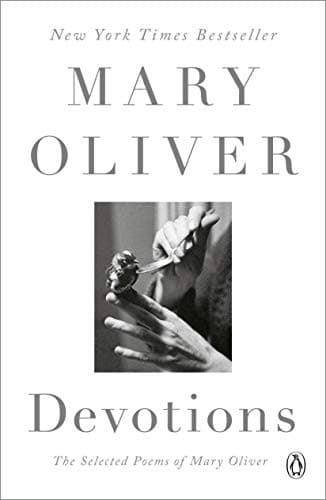
Mary Oliver
This collection gathers decades of Oliver's poems about attention, nature and gratitude. Fans of Alexander's poetic sensibility will find the same deep noticing of ordinary beauty.