
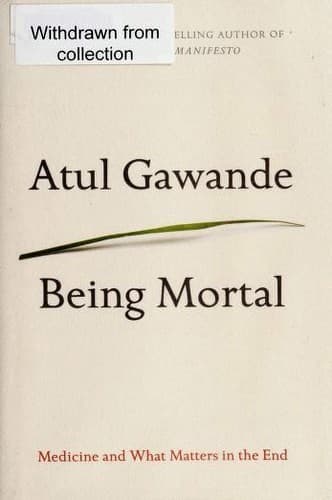
Being Mortal
Atul Gawande
Like Kalanithi, Gawande is a surgeon who turns clinical experience into a thoughtful look at dying, care, and what patients truly want at the end of life.
Reader-supported: when you buy through links on our site, we may earn an affiliate commission. Learn more
We earn a commission if you buy through these links. Learn more
Find Similar BooksA young neurosurgeon's memoir of learning to practice medicine, then facing terminal lung cancer at 36, written with unusual philosophical honesty about what makes a life worth living.
When Breath Becomes Air is a memoir in two halves that do not sit together comfortably, and that tension is much of its point. Kalanithi first studied English literature and then moved into medicine, and the early chapters read like the work of someone still deciding what a life should be for. He writes about medical school and residency with a novelist's eye for the moments that change a person, and about brain surgery as work that touches identity itself.
Then the book turns. At thirty-six, close to finishing his training, he receives a diagnosis of advanced lung cancer, and the narrative shifts from observer of illness to the one who is ill. The sentences become more searching, and he increasingly writes with his young daughter in mind. An epilogue by his wife, Lucy Kalanithi, also a physician, closes the book and gives it a second, quieter voice.
Reading it is a short, intense experience, often sad but rarely bleak. It asks to be read slowly, and it rewards readers who want to think alongside a sharp mind rather than be handed easy comfort.
Kalanithi comes to medicine from the humanities, and he treats his career as a test of whether a life of care and hard work can answer the question of what makes a life meaningful. He does not settle the question neatly, and that unfinished quality is central to the book.
Neurosurgery raises the stakes of every decision, because the organ being operated on is the one that holds memory, personality, and self. Kalanithi reflects on the weight of that responsibility and on the humility it requires from surgeons who must sometimes accept limits.
Illness changes the shape of time. Plans that once stretched years ahead collapse into days and weeks, and Kalanithi examines what it means to live well when the horizon is suddenly short and uncertain.
Having spent years delivering bad news, he now receives it, and the switch gives him sharp observations about how clinicians talk to patients, what gets lost in translation, and how much the person in the bed notices.
Writing for a daughter who will not remember him in full, Kalanithi considers what it means to nurture a new life while another is fading. These passages are tender without being sentimental, and they give the book its emotional core.
The book is short and was left unfinished when Kalanithi died, so its final stretch feels compressed, and the epilogue by his wife fills in what he could not write. Some readers find the reflections on literature and philosophy dense, or feel the voice is occasionally idealized, especially when describing elite training at Stanford. The medical account is personal rather than clinical, so anyone seeking detailed information about lung cancer or its treatment will need other sources.
Book details and cover from Google Books.
Ready to read When Breath Becomes Air?
Get your copy on Amazon, or listen to it on Audible. We earn a commission if you buy through these links.
Atul Gawande
Like Kalanithi, Gawande is a surgeon who turns clinical experience into a thoughtful look at dying, care, and what patients truly want at the end of life.
Siddhartha Mukherjee
A physician-writer traces the history of cancer with the same scientific rigour and humane storytelling that Kalanithi brings to his own neurosurgical training.
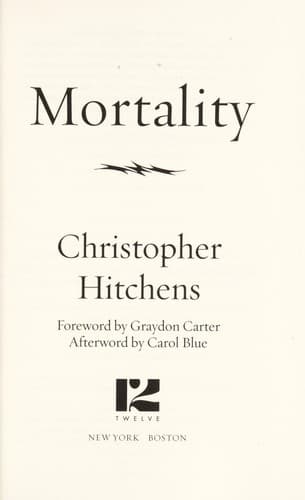
Christopher Hitchens
Written while the author was dying of cancer, this short, sharp meditation shares the unflinching, intellectual approach to mortality that makes Kalanithi's memoir so striking.
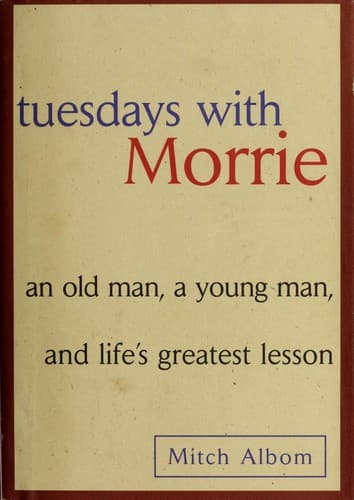
Mitch Albom
A warm, gently instructive account of visits with a dying teacher, offering the same focus on what gives life value when time runs short.