Eric Ries
Ries focuses on how new ventures test cheap, small experiments before committing big resources, which mirrors Christensen's point that disruptors win by starting small in overlooked markets where established firms are not yet looking.
Reader-supported: when you buy through links on our site, we may earn an affiliate commission. Learn more
12 books to read next
If you loved The Innovator's Dilemma by Clayton Christensen
Readers who loved The Innovator's Dilemma usually admire its clear logic: well-run companies lose ground not through mistakes but by doing exactly what their best customers ask. They value the mix of rigorous research, vivid case studies from disk drives to steel, and practical rules for managers. The tone is sharp and unhurried, and the argument builds steadily toward advice leaders can act on.
Eric Ries
Ries focuses on how new ventures test cheap, small experiments before committing big resources, which mirrors Christensen's point that disruptors win by starting small in overlooked markets where established firms are not yet looking.

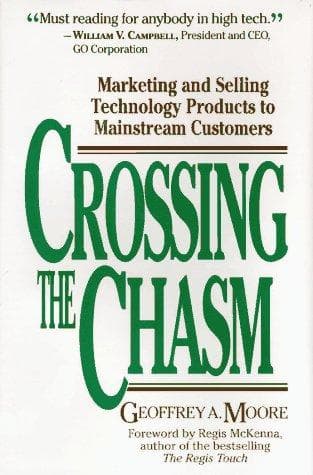
Geoffrey A. Moore
Moore extends the idea of disruptive adoption into the gap between early adopters and the mainstream market, showing why promising technologies so often stall, a theme readers of The Innovator's Dilemma will recognise.
Ben Horowitz
Written by an experienced operator, this book offers candid, practical lessons on leading a company through painful turns, much like the managerial dilemmas Christensen describes when a market shifts beneath a successful business.
Jim Collins
Collins studies what separates lasting companies from merely good ones, using the same disciplined, research-led style and asking the question Christensen raises: why do strong firms sometimes fall off their peak?

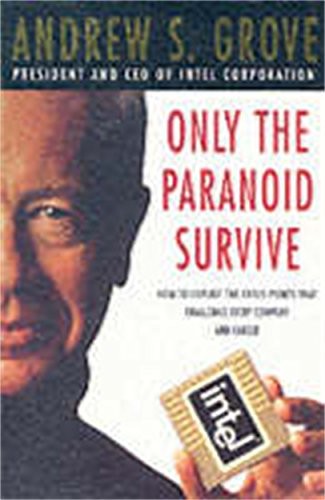
Andrew S. Grove
Grove, a former Intel chief executive, describes how he recognised a strategic inflection point that threatened his own company, a firsthand view of the pressures Christensen analyses in established businesses.

Louis Gerstner, Louis V. Gerstner Jr
Gerstner recounts turning around IBM, a giant that had lost its footing, and his account of confronting entrenched habits gives a concrete, insider perspective on the challenges The Innovator's Dilemma describes.

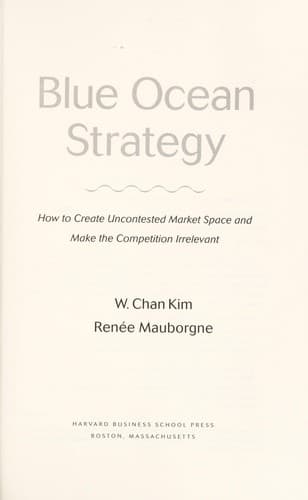
W. Chan Kim
This book argues that companies can escape crowded competition by creating uncontested market space, a practical extension of Christensen's idea that the real opportunity often lies outside existing customers and products.
Peter Thiel, Blake Masters
Thiel explores how truly new products create markets rather than competing in old ones, offering a contrarian, big-picture view that suits readers drawn to Christensen's argument about where innovation really comes from.

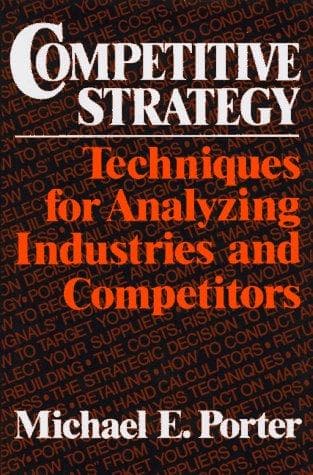
Michael E. Porter
Porter's classic lays out the forces that shape industry profitability, giving the structural background that helps explain why incumbents defend their positions and why disruptors can change the rules of the game.

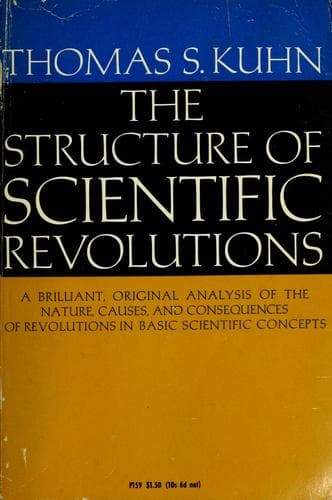
Thomas S. Kuhn, Dennis Holland
Kuhn's account of how established paradigms persist and then give way to new ones parallels Christensen's model of incumbents clinging to proven frameworks, and it rewards readers who enjoy ideas about how change happens.
Daniel Kahneman
Kahneman explains the mental shortcuts that lead smart people to misjudge risk and novelty, which helps explain why capable managers so often underrate disruptive threats that Christensen documents.

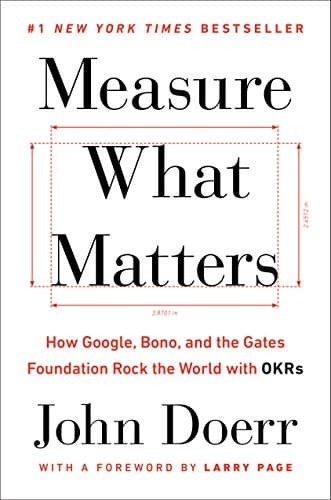
John Doerr
Doerr presents the goal-setting system OKRs, a practical tool for keeping an organisation focused on emerging priorities, appealing to readers who want to turn Christensen's warnings into day-to-day management practice.
We earn a commission if you buy through these links. Learn more