
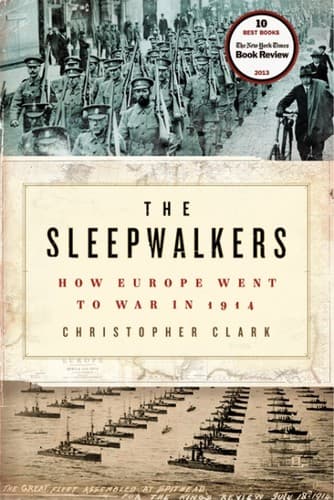
The Sleepwalkers
Christopher Clark
Clark reconstructs the diplomatic crisis of 1914 in detail, showing how each capital misread the others. Like Tuchman, he treats the outbreak of war as a chain of choices rather than a single accident.
Reader-supported: when you buy through links on our site, we may earn an affiliate commission. Learn more
12 books to read next
If you loved The Guns of August by Barbara W. Tuchman
Readers who love The Guns of August usually prize its vivid portraits of statesmen and generals, its narrative drive, and its clear sense of how small decisions snowballed into catastrophe. Tuchman makes a complex month read like a story, moving between capitals and battlefields while keeping the reader oriented. Expect a confident, literary voice, detailed scenes, and a steady pace that builds toward inevitability rather than surprise.
Christopher Clark
Clark reconstructs the diplomatic crisis of 1914 in detail, showing how each capital misread the others. Like Tuchman, he treats the outbreak of war as a chain of choices rather than a single accident.
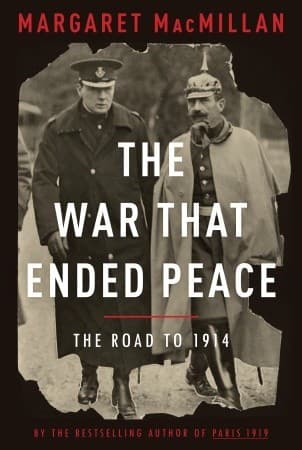
Margaret Olwen Macmillan
MacMillan explains the decades of rivalry, alliances and nationalism behind 1914 with lively character sketches. It suits readers who enjoyed Tuchman's account of the years before the guns opened fire.
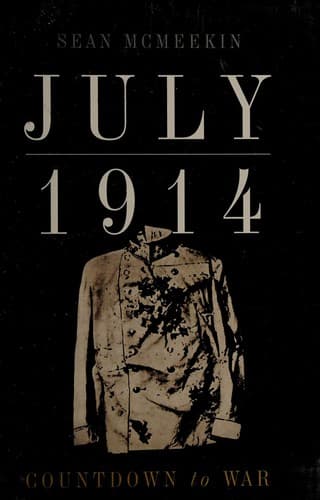
Sean McMeekin
McMeekin works day by day through the crisis, focusing on the final weeks before mobilisation. Readers who were gripped by Tuchman's countdown structure will find the same momentum here.
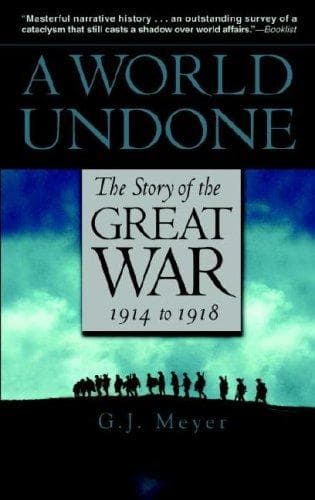
G. J. Meyer
Meyer offers a sweeping narrative of the entire First World War, written with the same dramatic instinct Tuchman brought to her history. It is a strong next step for readers wanting the war beyond its first month.
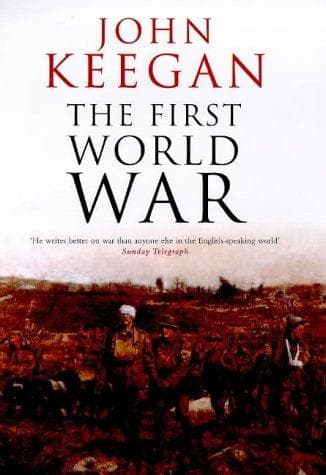
John Keegan
Keegan blends strategy, technology and human experience into a clear, authoritative overview. Readers who admired Tuchman's command of military events will appreciate his analysis of why the armies fought as they did.
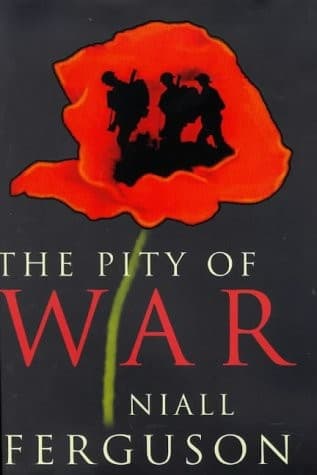
Niall Ferguson, Niall Ferguson
Ferguson challenges the idea that the war was inevitable or that Britain had to join it. Fans of The Guns of August who enjoy a debate about causes and choices will find this provocative and well argued.
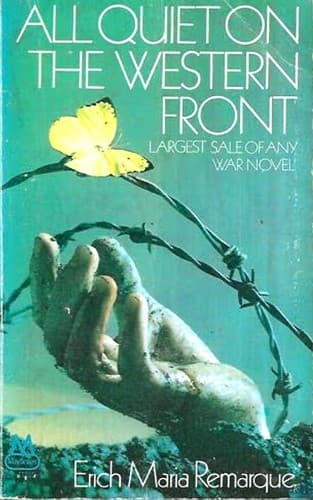
Erich Maria Remarque
Remarque shows the war through the eyes of a young German soldier, giving the grand strategy Tuchman described a human face. It is a short, powerful novel that pairs well with her big-picture view.
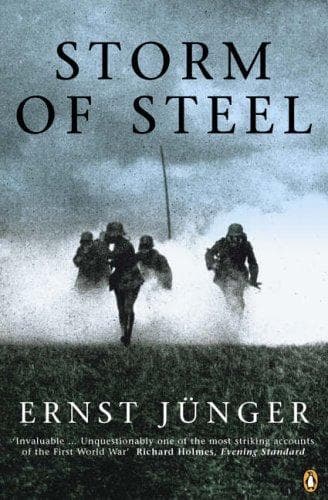
Ernst Jünger
Jünger's memoir of trench fighting on the Western Front is raw and immediate. Readers who wanted to know what the generals' plans meant on the ground will find it a striking companion.
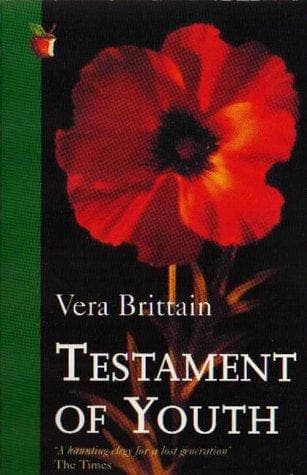
Vera Brittain
Brittain's memoir follows one woman's life through the war, from England to the front and the hospitals. Its personal perspective complements Tuchman's portraits of the leaders who sent millions to fight.
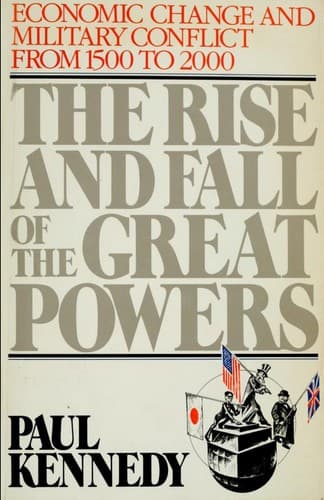
Paul M. Kennedy
Kennedy examines why nations gained and lost power over five centuries, providing the wider context for the rivalries that drove 1914. It rewards readers curious about the structures behind Tuchman's characters.
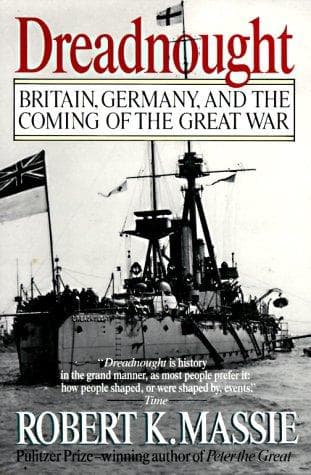
Robert Massie Freeman
Massie tells the story of the naval arms race between Britain and Germany before the war with the same storytelling skill Tuchman showed. It deepens the picture of the rivalries that made the July crisis so dangerous.
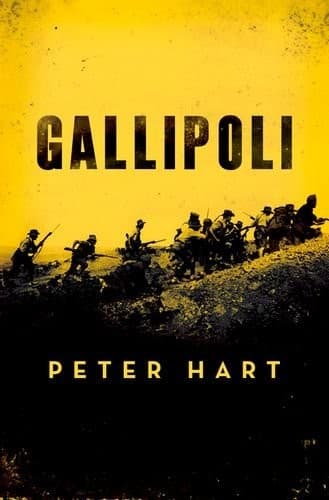
Peter Hart
Hart gives a clear, gripping account of the 1915 campaign, one of the war's most disastrous ventures. Readers who value Tuchman's critical eye on military leadership will find much to weigh here.
We earn a commission if you buy through these links. Learn more