
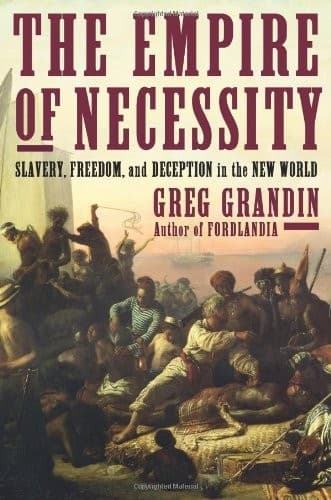
The Empire of Necessity
Greg Grandin, Greg Grandin
Like Immerwahr, Grandin uncovers a forgotten American episode on remote islands, using the Galápagos to show how imperial ambition shaped the wider world.
Reader-supported: when you buy through links on our site, we may earn an affiliate commission. Learn more
11 books to read next
If you loved How to Hide an Empire by Daniel Immerwahr
Readers who loved How to Hide an Empire usually enjoy its central idea: that the United States has long governed territories far from the mainland, and that this history has been largely overlooked. They tend to value the fast, anecdotal storytelling, the surprising vignettes about islands, guano, and Puerto Rico, and the author's willingness to reframe familiar national stories. The book balances scholarly argument with accessible narrative, so readers looking for similar blends of rigour and readability will find plenty to explore here.
Greg Grandin, Greg Grandin
Like Immerwahr, Grandin uncovers a forgotten American episode on remote islands, using the Galápagos to show how imperial ambition shaped the wider world.

Stephen C. Schlesinger, Stephen Schlesinger
Kinzer traces how American business and government interests reshaped a small Central American nation, offering the same look at empire operating through influence rather than formal rule.
James Bradley
Bradley reconstructs a little-known early twentieth-century diplomatic voyage, a fast-moving account of American expansion that readers of Immerwahr's hidden-history approach will appreciate.
S. C. Gwynne
Gwynne writes vividly about the Comanche and the American frontier, revealing a chapter of national expansion that most readers never learned, much as Immerwahr does with overseas territories.
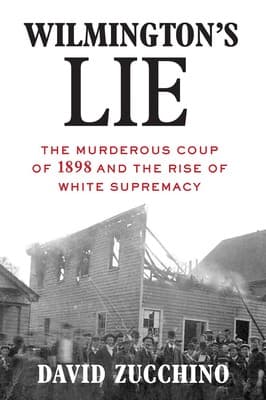
David Zucchino
Zucchino recovers a buried episode of American violence and its cover-up, matching Immerwahr's aim of showing how the nation's official story leaves out uncomfortable events.

Howard Zinn, Kathy Emery
Zinn retells American history from the perspective of those usually left out of it, a classic that shares Immerwahr's impulse to reexamine the national narrative from the margins.
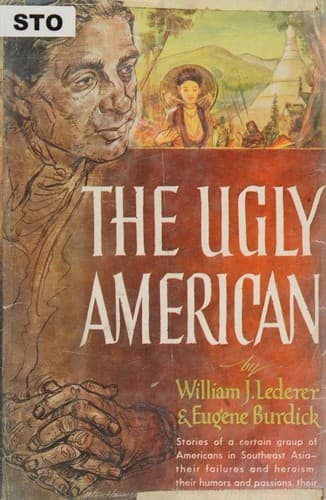
William J. Lederer, Eugene Burdick
This novel portrays American influence abroad as a matter of culture, diplomacy and persuasion rather than control, echoing Immerwahr's argument that power can work without colonies.
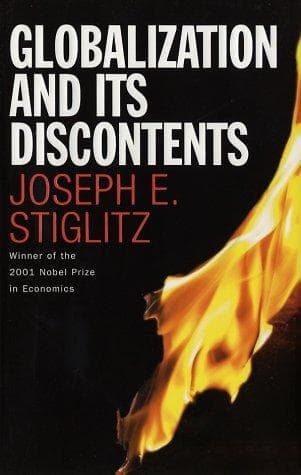
Joseph E. Stiglitz
Stiglitz examines how economic and institutional power shapes countries far from home, a useful companion for readers interested in the modern, indirect reach that Immerwahr describes.
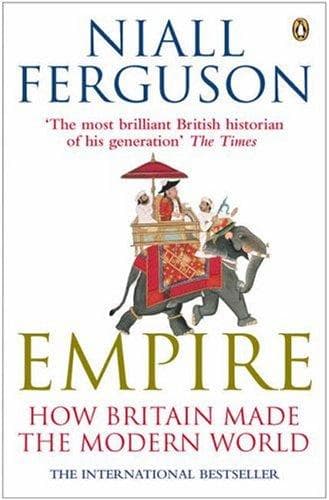
Niall Ferguson
Ferguson offers a wide-ranging account of British imperial power, a useful comparison for readers wanting to see how another empire ran its territories and justified its reach.
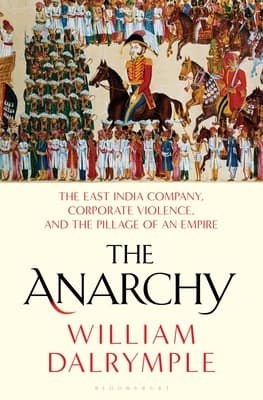
William Dalrymple
Dalrymple tells the story of the East India Company's rise with the same narrative drive and attention to surprising detail that makes Immerwahr's book so compulsive.
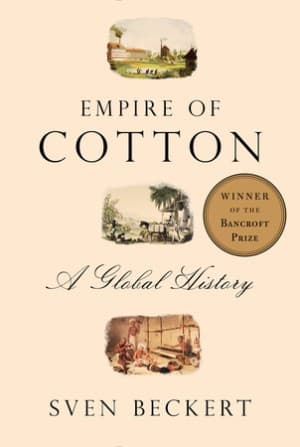
Sven Beckert, Sven Beckert
Beckert shows how global commodities and colonial control were tightly linked, extending the kind of economic history Immerwahr applies to guano and other overseas resources.
We earn a commission if you buy through these links. Learn more