
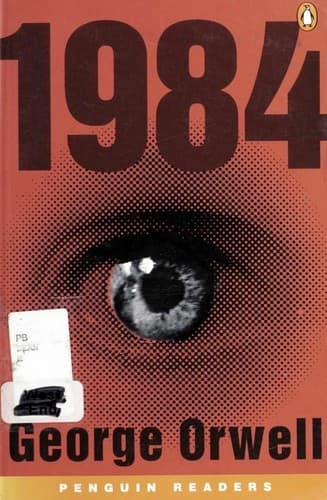
1984
Michael Dean, George Orwell
Like Brave New World, it imagines a totalitarian future, but it shows control through fear rather than pleasure. Readers who admired Huxley's vision of a stable, managed state will see the opposite approach.
Reader-supported: when you buy through links on our site, we may earn an affiliate commission. Learn more
11 books to read next
If you loved Brave New World by Aldous Leonard Huxley
Readers who love Brave New World usually respond to its calm, polished surface hiding something deeply wrong. They enjoy its satirical wit, its vivid picture of a society that trades freedom for comfort, and its sharp questions about conditioning, pleasure and science. The pace is brisk, the ideas are big, and the tone moves between lyrical description and cool social critique. These picks follow those strands: dystopias of control, stories of engineered and conditioned lives, speculative work on humanity and technology, and nonfiction that explores the same concerns.
Michael Dean, George Orwell
Like Brave New World, it imagines a totalitarian future, but it shows control through fear rather than pleasure. Readers who admired Huxley's vision of a stable, managed state will see the opposite approach.
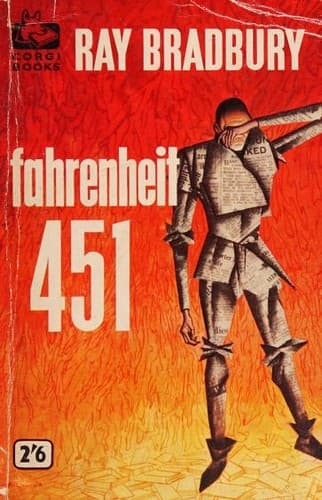
Ray Bradbury
It shares Huxley's concern with a population that has stopped thinking deeply because it is kept distracted. Its book-burning society shows how comfort and entertainment can dull a culture.
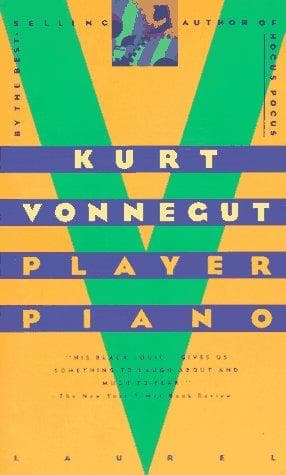
Kurt Vonnegut, Christian Rummel
It portrays a future where machines run society and most people are kept content with routine and consumer goods. Its dry humour and critique of automation will appeal to fans of Huxley's satire.
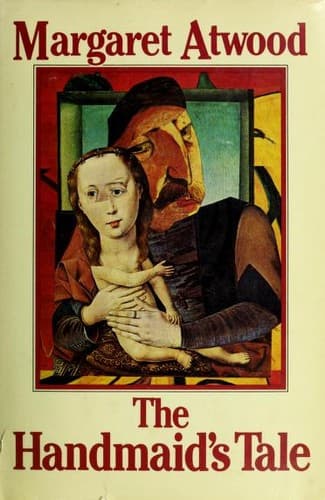
Margaret Atwood
Atwood's story of a rigid society that controls people through ritual and hierarchy echoes Huxley's theme of engineered social roles. Its focus on individual freedom under pressure will resonate with his readers.
Kazuo Ishiguro
It follows people raised for a purpose they were never allowed to question, in a quiet, carefully controlled world. Readers drawn to Brave New World's chilling calm will find a similar unease here.
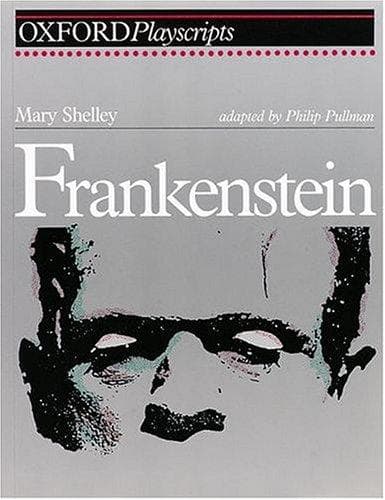
Mary Shelley, Philip Pullman
It is an early and influential meditation on the moral responsibility that comes with scientific creation. Readers interested in Huxley's warnings about genetic engineering will see the same concern in its origins.
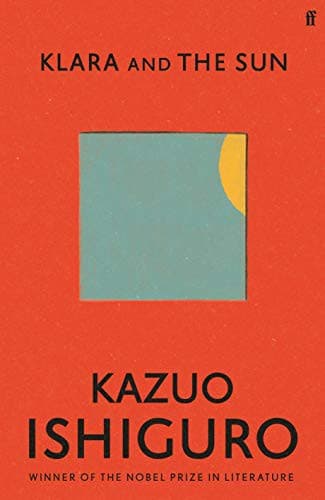
Kazuo Ishiguro
Told by an artificial friend, it asks what it means to be human in a society that values people by their usefulness. It suits readers who enjoyed Huxley's questions about individuality and conformity.
Philip K. Dick
Its near-future world raises questions about artificial life, empathy and social conformity. Readers who liked Brave New World's engagement with technology and identity will find similar philosophical depth.
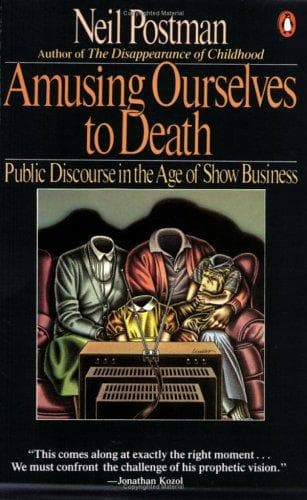
Neil Postman, Neil Postman
Postman argues that a culture absorbed in entertainment can lose its capacity for serious thought, a point Huxley made in fiction. It is a direct companion for readers who want the same argument in essay form.
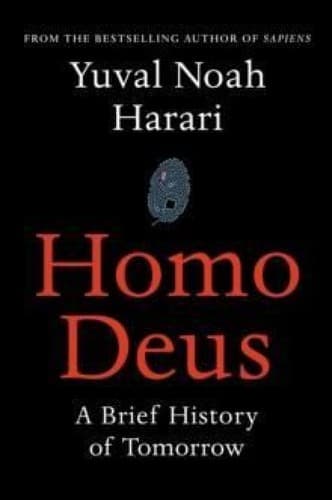
Yuval Noah Harari
It examines how technology and data may reshape human life and values, expanding on the questions Brave New World raises. Readers interested in its ethics of progress will find plenty to consider here.
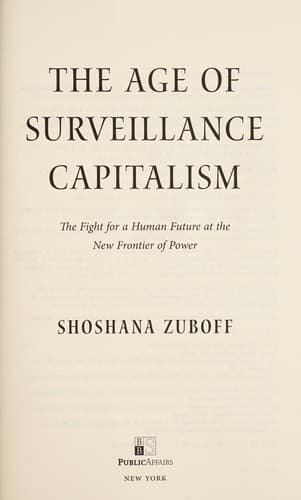
Shoshana Zuboff
Zuboff describes how companies shape behaviour and consumer choice through data, a modern version of the conditioning Huxley imagined. It suits readers who want to see his warnings applied to today's world.
We earn a commission if you buy through these links. Learn more