Bruce Catton
Catton's Pulitzer-winning account of the Army of the Potomac covers the war's campaigns with the same narrative drive McPherson brings to the military and political story, and it closes on the surrender at Appomattox.
Reader-supported: when you buy through links on our site, we may earn an affiliate commission. Learn more
12 books to read next
If you loved Battle Cry of Freedom by James M. McPherson
Readers who love Battle Cry of Freedom usually value its single-volume scope: it ties politics, slavery, social change and military campaigns into one narrative of the years from the Mexican War to Appomattox. They tend to appreciate McPherson's clear, fast-paced prose, his willingness to revise old myths, and his focus on why the North fought and why the South seceded. The picks below follow those threads, from sweeping narrative and the causes of the war to Lincoln's leadership and the emancipation struggle.
Bruce Catton
Catton's Pulitzer-winning account of the Army of the Potomac covers the war's campaigns with the same narrative drive McPherson brings to the military and political story, and it closes on the surrender at Appomattox.

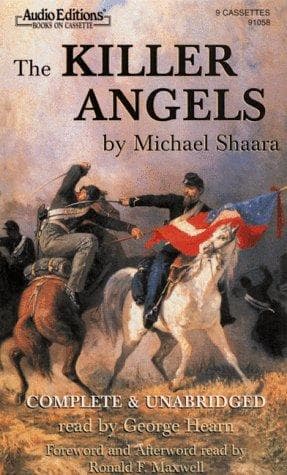
Michael Shaara
This novel follows the commanders at Gettysburg through their own eyes, giving human shape to the strategic decisions and personalities that Battle Cry of Freedom analyses at a wider scale.

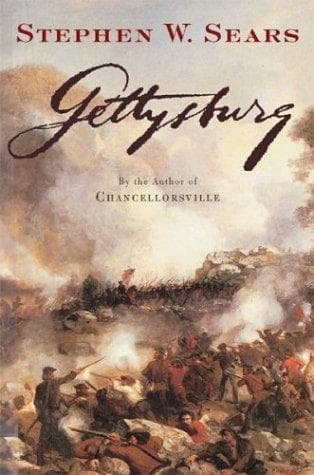
Stephen W. Sears
Sears gives the battle a detailed, carefully sourced account of the maneuvering on both sides, the kind of close military analysis that readers of Battle Cry of Freedom will find satisfying.

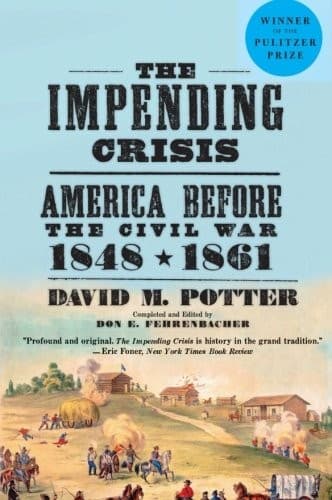
David M. Potter
Potter's study of the American crisis from 1848 to 1861 explains how sectional conflict escalated toward secession, the same period McPherson treats in the chapters on the 1850s and the Republican rise.

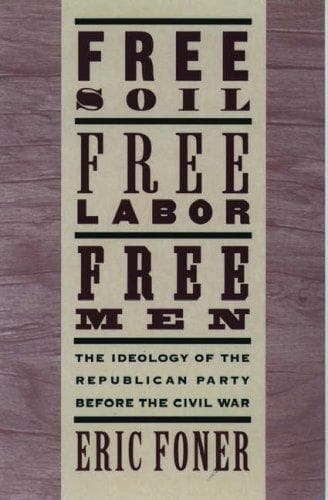
Eric Foner
Foner examines the ideology of the early Republican Party, a subject McPherson revisits with fresh views, and shows how northern ideas of freedom shaped the coming conflict.

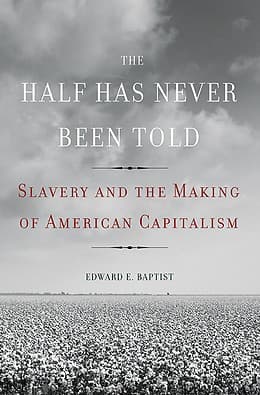
Edward E. Baptist
Baptist argues that the expansion of slavery drove the American economy in the decades before the war, which sharpens the slavery-expansion argument central to Battle Cry of Freedom.

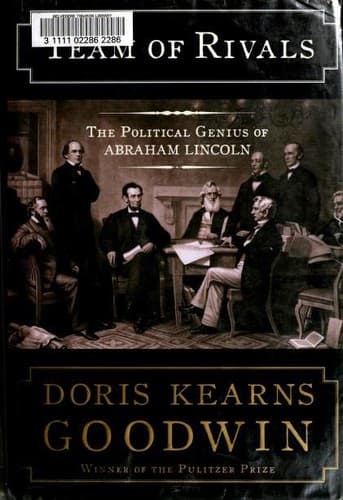
Doris Kearns Goodwin
Goodwin follows Lincoln's cabinet of rival politicians through the war, offering the personalities and political maneuvering that McPherson weaves into his account of the Union effort.

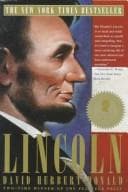
David Herbert Donald
Donald's full biography shows Lincoln's rise and presidency in detail, filling in the political figure at the centre of the book's account of the war and the new birth of freedom.

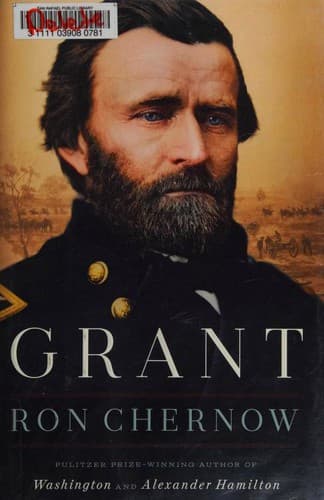
Ron Chernow
Chernow's biography of Ulysses Grant follows the general who ultimately prevailed, connecting the military strategy and political pressures that Battle Cry of Freedom describes.

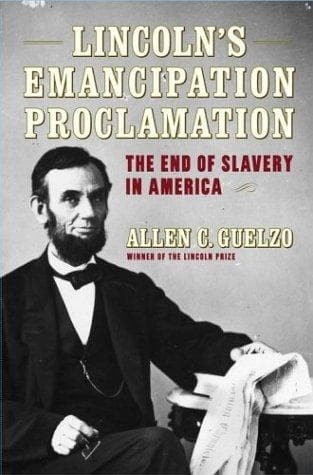
Allen C. Guelzo
Guelzo explains how Lincoln moved from war for the Union to a policy of emancipation as a second war aim, the turning point that Battle Cry of Freedom identifies as the war's proudest legacy.

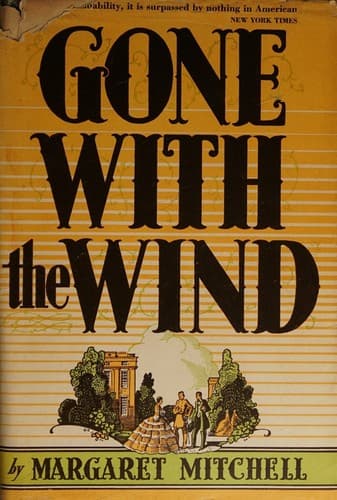
Margaret Mitchell
Mitchell's novel shows the Southern home front and the upheaval of the war and its aftermath through individual lives, giving a personal view of the social change that McPherson describes.

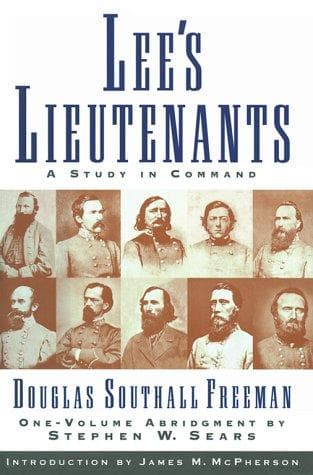
Douglas Southall Freeman
Freeman's detailed study of Lee's senior commanders examines the Confederate army's leadership and operations, complementing McPherson's treatment of strategy and personalities on the Southern side.
We earn a commission if you buy through these links. Learn more