
We earn a commission if you buy through these links. Learn more
Grant
by Ron Chernow
A long, sympathetic yet clear-eyed biography that reframes Ulysses S. Grant from a drunken, unlucky general into a capable leader who fought hard for Black civil rights and was undone by others' corruption.
What It's About
Grant is a long narrative biography of Ulysses S. Grant, the Union general who won the Civil War and then served two terms as president. Ron Chernow follows him from a restless boyhood in Ohio and his years at West Point, through a string of unsuccessful civilian ventures, to his wartime rise and presidency. The book ends with the memoirs Grant wrote while dying of throat cancer, which are among the most admired in American letters.
The approach is chronological and immersive. Chernow packs in political context, the social world of officers and their families, and the lives of enslaved and newly freed people Grant encountered. He cares less about battlefield maneuvers for their own sake than about how Grant thought, how he handled power, and why he made the choices he did. The tone is sympathetic without being uncritical, and Chernow does not hide Grant's failures or the scandals around his administration.
Reading it feels like settling into a big, patient story. The pace slows in places, and the length asks for commitment, but the detail rewards attentive readers. It works both as a portrait of a man long misunderstood and as an account of Reconstruction, when hard-won gains for Black Americans were later eroded.
Read this if you…
- want a full, humane life of Ulysses S. Grant rather than a quick summary of the Civil War
- are curious why Grant's reputation has shifted so much and want the evidence behind the reappraisal
- enjoy long biographies that combine personal detail with the politics of a turbulent era
Skip it if you…
- want a tight, fast read or only the battles of the Civil War
- prefer biographies that stay mostly in the military campaigns and avoid lengthy personal and political digressions
Key Ideas
- 1
A man long misjudged by history
Chernow argues that Grant's reputation as a drunk, a bumbler, and a failed president was shaped by hostile contemporaries and by a later culture that preferred the Lost Cause story of the South. He makes the case that Grant was a far more thoughtful and morally serious figure than the popular image suggests, and he tests that claim against the record rather than simply asserting it.
- 2
Commitment to Black civil rights in office
Much of the book's weight falls on Grant's presidency and his use of federal power to protect Black voters and citizens in the South. Chernow shows how Grant pursued enforcement laws and military action against white supremacist violence, and he presents this as central to Grant's legacy rather than a footnote to his military career.
- 3
Failure and character before the war
The years before the Civil War, when Grant struggled as a farmer, a real estate seller, and a clerk in his family's leather business, get serious attention. Chernow uses them to explore Grant's pride, his shame at failing, and the restlessness that later made him a decisive commander. Readers interested in how a person's private struggles shape public action will find this section especially rewarding.
- 4
Power, loyalty, and the cost of trust
Grant's presidency was marred by corruption scandals involving people he trusted, and Chernow examines how loyalty can blind a leader to wrongdoing. The book does not excuse these lapses, but it asks whether they outweigh his achievements, and it treats the ruin that followed his later financial collapse with real sympathy.
Limitations
The book's length is its most common complaint. Some readers find the military chapters and the early life drawn out, and the pace can feel uneven. Chernow's sympathy for Grant leads some critics to think he is too quick to excuse the scandals of the administration and to downplay Grant's shortcomings as a political operator. Readers who want a sharper analysis of why Reconstruction ultimately failed may want to pair it with a dedicated history of that period.
Questions Readers Ask
- Is Grant a good first book about the Civil War?
- It can be, but it is better as a biography than as a military history. Chernow covers the major campaigns through Grant's eyes, yet he spends equal time on his life outside the army. Readers who want a clear overview of the war itself might start with a shorter one-volume history and return to this for the man at its center.
- How does Grant compare to Chernow's other biographies?
- Grant shares the narrative drive and research depth of Chernow's Washington and Hamilton biographies, but its subject is less universally admired, so the book is more of an argument about reputation. Readers who liked the earlier books will likely enjoy it, though Grant's life is less tidy and the arc is more uneven.
- Published
- 2017
- ISBN
- 9781788541602
- Difficulty
- intermediate
- Category
- Biographies
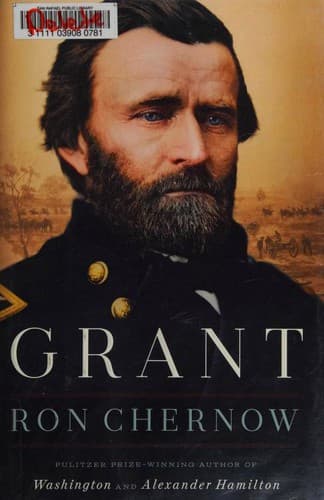
Book details and cover from Google Books.
Ready to read Grant?
Get your copy on Amazon, or listen to it on Audible. We earn a commission if you buy through these links.