
Sapiens
Yuval Noah Harari
Like Gombrich, Harari takes the entire span of human experience as his subject, from early foragers to modern societies, and asks big questions about what shaped our species and its choices.
Reader-supported: when you buy through links on our site, we may earn an affiliate commission. Learn more
12 books to read next
If you loved A Little History of the World by E. H. Gombrich
Readers who love Gombrich's book usually value its warm, unhurried voice and its sweep across the whole of human history, from the Stone Age to the atomic age. It skips much of the dates-and-facts clutter and keeps returning to what people built, believed, fought over and lost. The chapters are short and conversational, so it reads like a story told by a thoughtful guide rather than a textbook. Its humane tone, which balances admiration for human achievement with clear-eyed sadness about its failures, is what many readers remember most.
Yuval Noah Harari
Like Gombrich, Harari takes the entire span of human experience as his subject, from early foragers to modern societies, and asks big questions about what shaped our species and its choices.

Jared Diamond
Diamond explains why different societies developed so unevenly over thousands of years, offering the same long-view curiosity about history that Gombrich brings to his short chapters.
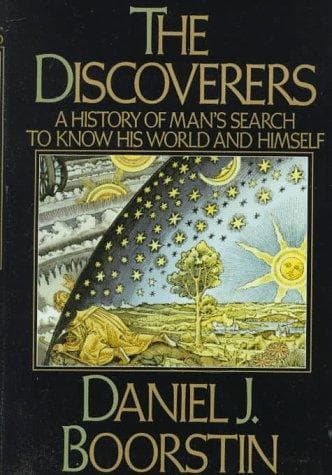
Daniel J. Boorstin
Boorstin traces how humans gradually learned about their world and themselves, a wide, lively account of human curiosity and achievement that suits readers who enjoyed Gombrich's focus on progress.
Hendrik Willem Van Loon
Written as a friendly narrative for young people, this classic also tells humanity's story from the earliest times onward, with the same warmth and simplicity that made Gombrich's book so approachable.
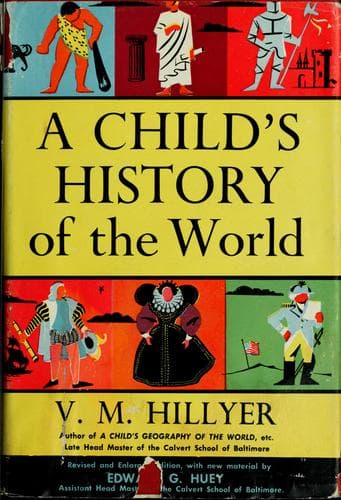
V. M. Hillyer
Hillyer gives a clear, chronological account of world history in short, engaging chapters, a natural next step for readers who appreciated Gombrich's accessible and storytelling approach.
H.E. Marshall
Marshall narrates British history as a sequence of vivid stories with a light touch, matching the storytelling tone and easy pace that Gombrich uses to make the past feel immediate.
Neil MacGregor, Neil MacGregor
MacGregor uses single objects to unlock whole cultures and eras, bringing the same appreciation for human making and ingenuity that runs through Gombrich's account of art and achievement.
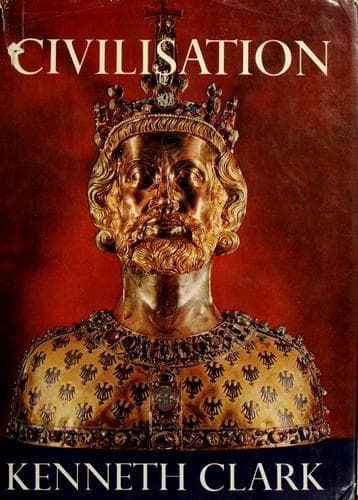
Kenneth Clark
Clark surveys Western art and thought through confident, personal essays, appealing to readers who loved Gombrich's attention to great works and the ideas behind them.
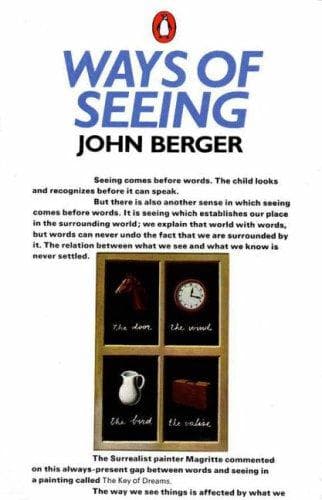
John Berger
Berger shows how images carry the values of their time, a sharp, short companion for readers who enjoyed Gombrich's sense that art records what human societies believed and valued.
Barbara W. Tuchman
Tuchman shows how a chain of misjudgements led to catastrophe in 1914, vividly capturing the frailty of human decisions that Gombrich highlights in his account of wars and their costs.
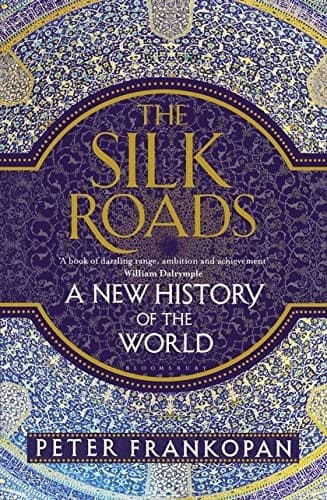
Peter Frankopan
Frankopan reframes world history around trade and exchange across Eurasia, offering a broad, connected view of the past for readers who appreciated Gombrich's panoramic approach.

Howard Zinn, Kathy Emery
Zinn tells American history from the perspective of ordinary people and those who were overlooked, a critical take that suits readers drawn to Gombrich's honest look at human limitations.
We earn a commission if you buy through these links. Learn more