Daniel Kahneman
Like Zweig, Kahneman explains how two systems of thinking produce predictable errors in judgement, including financial ones. Readers who valued the neuroscience framing will find the same mix of research and everyday examples.
Reader-supported: when you buy through links on our site, we may earn an affiliate commission. Learn more
12 books to read next
If you loved Your Money and Your Brain by Jason Zweig
Readers who pick up Your Money and Your Brain usually want to understand why they make the money mistakes they do. Zweig blends neuroscience and behavioural economics into a readable, practical guide, explaining how fear, greed, overconfidence and the brain's reward circuitry shape investing choices. The tone is lively and evidence-based rather than preachy, and the chapters are short and illustrated. It suits anyone curious about the psychology of saving and investing.
Daniel Kahneman
Like Zweig, Kahneman explains how two systems of thinking produce predictable errors in judgement, including financial ones. Readers who valued the neuroscience framing will find the same mix of research and everyday examples.

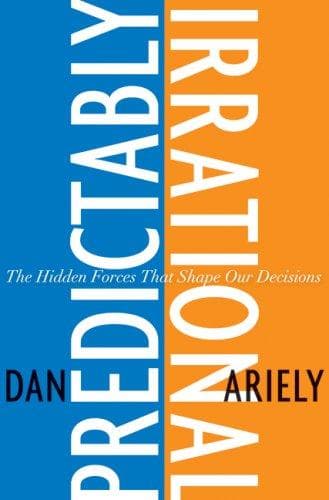
Dan Ariely
Ariely shows through clear experiments how people act against their own interests in money matters. It shares Zweig's approach of turning lab findings into lessons about everyday spending and saving.

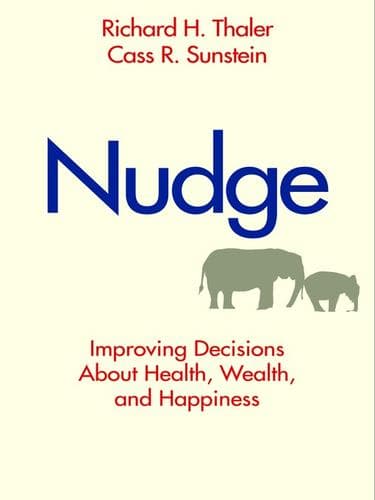
Richard H. Thaler, Cass R. Sunstein
Thaler and Sunstein explain how small design choices steer financial decisions, such as default savings plans. Readers drawn to how the brain shapes money choices will recognise the same behavioural focus.
Morgan Housel
Housel uses short, story-like chapters to show how behaviour matters more than knowledge in wealth building. Readers who liked Zweig's focus on emotion over arithmetic will find a similarly humane view.
Benjamin Graham
Graham's classic warns against letting market mood drive decisions, a theme Zweig returns to repeatedly. It is the foundational text for disciplined, emotion-resistant investing.
Burton Gordon Malkiel
Malkiel explains why chasing hot stocks tends to disappoint, which fits the reader who wants to understand market behaviour. It gives sound, accessible advice on avoiding costly impulses.

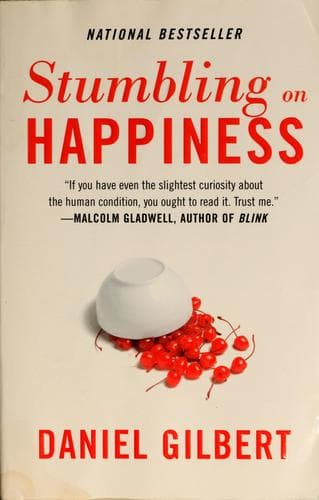
Daniel T. Gilbert
Gilbert draws on brain research to explain how our predictions about what will make us happy often go wrong. It appeals to readers curious about the neuroscience behind choices, as Zweig's book is.

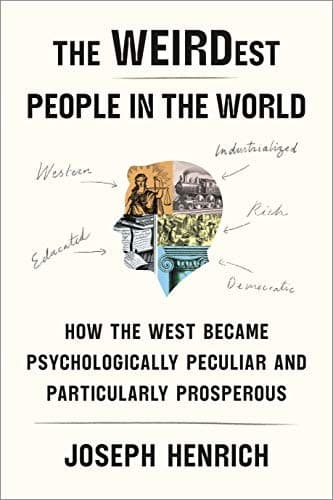
Joseph Patrick Henrich, Joseph Henrich
Henrich examines how culture and psychology shape decision-making across societies. Readers who enjoyed Zweig's research-led account of how minds handle money will find broader context here.

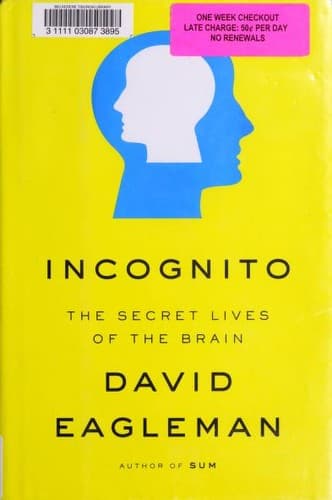
David Eagleman
Eagleman explains how much of our thinking happens below conscious awareness, a idea central to Zweig's argument. It is a vivid, neuroscience-driven read for anyone fascinated by the brain.
George S. Clason
This short, parable-based classic offers simple, memorable money habits in an accessible style. It suits readers who want Zweig's practical focus with much less technical detail.
Ramit Sethi
Sethi gives a direct, step-by-step system for automating savings and spending wisely. Readers who want actionable money steps after Zweig's science will find it immediately usable.

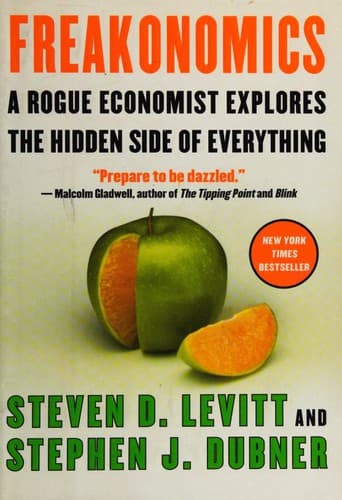
Steven D. Levitt, Stephen J. Dubner
Levitt and Dubner use surprising data to reveal hidden incentives behind everyday choices. Its playful, curious tone matches the entertaining style Zweig promises in his book.
We earn a commission if you buy through these links. Learn more