
Joe Navarro, Marvin Karlins
A former FBI counterintelligence agent explains how to read nonverbal signals such as posture, gestures and facial expressions, much like the source book's practical vocabulary for spotting attitudes and emotions.
Reader-supported: when you buy through links on our site, we may earn an affiliate commission. Learn more
12 books to read next
If you loved The Definitive Book of Body Language by Barbara Pease, Allan Pease
Readers of The Definitive Book of Body Language usually want practical ways to read what people really mean beneath their words. They are drawn to its plain vocabulary of gestures, its everyday examples of handshakes, posture, smiles and courtship signals, and its promise that small physical habits can be learned and used. The tone is brisk and light, with a bit of humour, and the advice is meant to be tried straight away in ordinary face-to-face situations like first meetings, interviews and dates.

Joe Navarro, Marvin Karlins
A former FBI counterintelligence agent explains how to read nonverbal signals such as posture, gestures and facial expressions, much like the source book's practical vocabulary for spotting attitudes and emotions.
Daniel Goleman
Goleman shows how recognising feelings in yourself and others shapes relationships and success, which extends the source book's focus on understanding people through their behaviour.

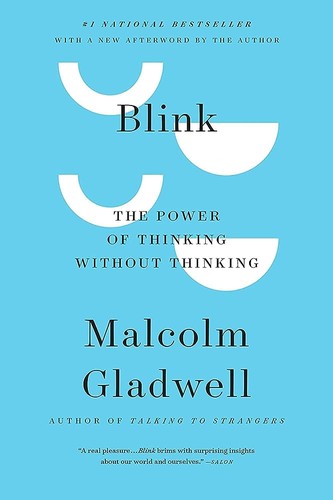
Malcolm Gladwell
Gladwell examines how people make fast, intuitive judgements from brief first impressions, a theme that echoes the source book's interest in what a glance or gesture reveals.

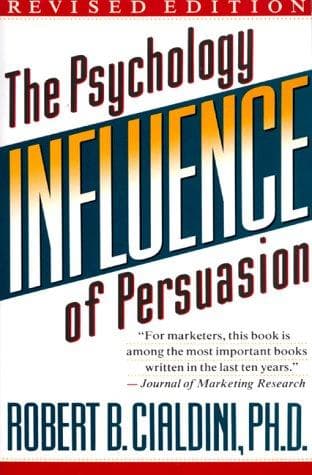
Robert B. Cialdini
Cialdini's research-based account of why people say yes complements the source book's advice on gaining control in encounters, with clear principles readers can apply immediately.

Dan Ariely
Ariely uses experiments to show how people's decisions follow patterns, which suits readers who enjoyed the source book's blend of science and everyday observation.
Chris Voss, Tahl Raz
A former FBI hostage negotiator offers tactics for reading tone, body cues and emotion in tense conversations, closely matching the source book's goal of getting the reactions you want.
Daniel Kahneman
Kahneman explains the two systems of thought behind snap judgements and mistakes, giving readers who liked the source book's science a deeper account of why people act as they do.
Carol S. Dweck
Dweck's research on fixed and growth mindsets speaks to the source book's interest in how inner attitudes show outwardly and shape how we handle others.
Charles Duhigg
Duhigg explains how habits form and change, which appeals to readers who want to notice and reshape the automatic gestures and behaviours the source book describes.
Dale Carnegie
Carnegie's classic guide to warmth, listening and first impressions shares the source book's focus on making people feel at ease and communicating more effectively face to face.

Desmond Morris
Morris treats human behaviour as animal behaviour, with witty observations on gestures, touch and courtship that will appeal to readers who enjoyed the source book's humorous tone.
Susan Cain
Cain looks at how temperament affects communication and how quieter people can read and influence others, offering a thoughtful counterpoint to the source book's advice on confident encounters.
We earn a commission if you buy through these links. Learn more